
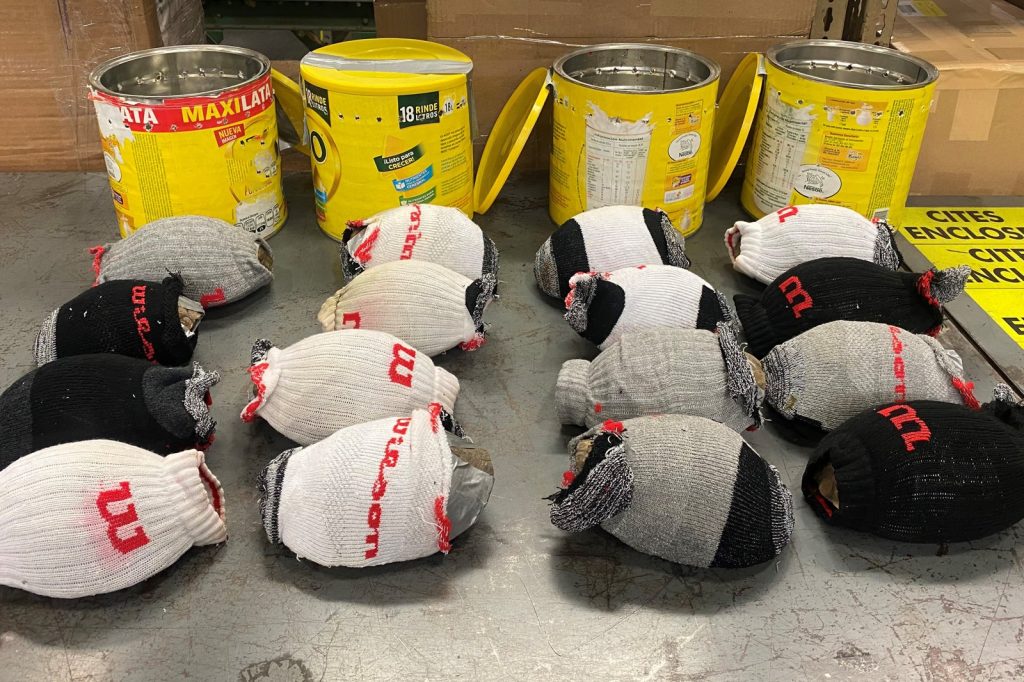
NEW YORK, June 23 — A significant number of animals are disappearing from the wild as more people seek exotic pets, with many species being taken from their natural habitats to meet the growing demand. Think of it like a big garden, where certain flowers are being picked at an alarming rate, leaving the garden looking bare and empty. The practical upshot is that this can have severe consequences for the ecosystem as a whole.
Uno, a pet, loves climbing onto his owners’ shoulders if he gets tired on a walk, or if he wants a pat, he has learnt to roll onto his back and snuggle up next to his humans on the sofa. This behavior is a result of the bond between Uno and his owners, and it highlights the ability of some animals to form strong connections with humans.
However, the fact that many animals are being taken from the wild to become exotic pets raises concerns about the impact on their natural habitats and the potential consequences for the animals themselves. A sharp rise in the number of people seeking exotic pets has led to a significant increase in the demand for wild animals, resulting in many species being removed from their natural habitats.
Here’s what it means: the removal of these animals can disrupt the delicate balance of the ecosystem, leading to a range of negative consequences, including the decline of plant and animal populations, and the degradation of natural habitats. In plain terms, the ecosystem is like a complex machine, where every part plays a vital role, and removing certain parts can cause the entire machine to malfunction.
It’s clear that the demand for exotic pets is driving the disappearance of animals from the wild, and this trend shows no signs of slowing down. The fact that many people are willing to keep wild animals as pets, often without fully understanding their needs and the potential consequences of their actions, is a major concern. So what can be done to address this issue?
One possible solution is to raise awareness about the importance of protecting wild animals and their habitats, and to encourage people to think carefully before deciding to keep an exotic pet. The US administration, along with conservation organizations and animal welfare groups, can play a crucial role in addressing this issue by implementing and enforcing laws and regulations that protect wild animals and their habitats.
By working together, it may be possible to reduce the demand for exotic pets and protect the many species that are currently at risk due to the pet trade. A key step is to educate people about the potential consequences of keeping wild animals as pets, and to promote a culture of responsibility and respect for the natural world.
As we look to the future, it’s essential to consider the potential consequences of our actions and to take steps to protect the natural world. The disappearance of animals from the wild is a complex issue, and addressing it will require a concerted effort from governments, conservation organizations, and individuals. By working together, we can help to ensure that the many species that are currently at risk due to the pet trade are protected, and that the natural world is preserved for future generations.
What to watch next is how the US administration and other stakeholders will respond to this issue, and what steps they will take to address the growing demand for exotic pets.




