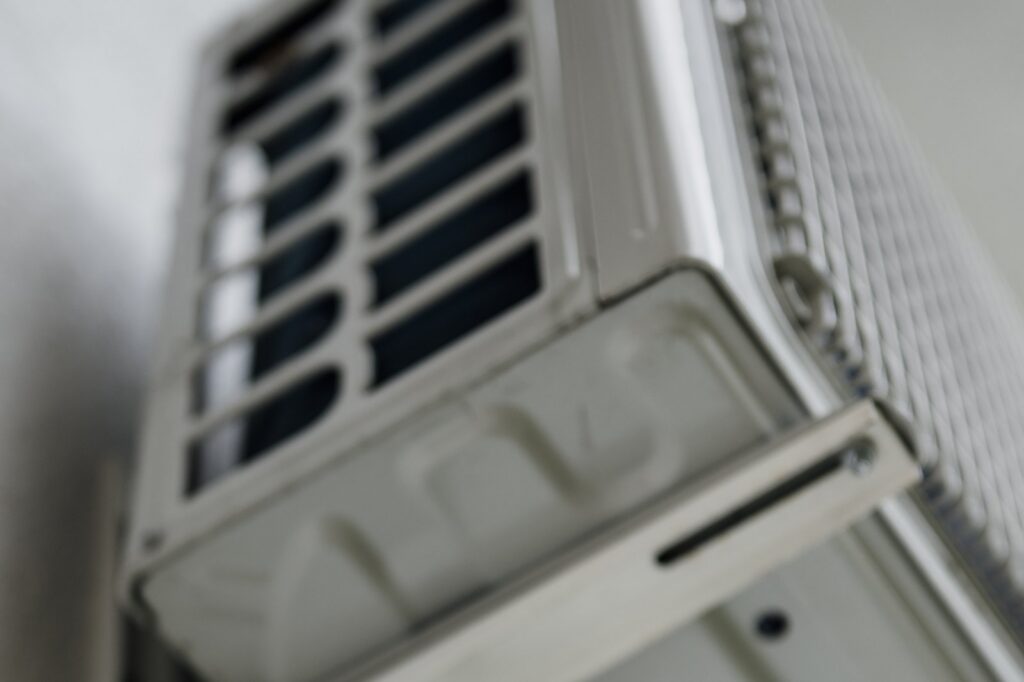
Richa Infosystems Limited has expanded its consumer tech footprint with the launch of EARTHONIC ‘COOL MAXX’ air conditioners, introducing smart connectivity features designed to manage energy usage more effectively.
The Evolution from Passive Shelters to Mechanical Systems
Air conditioning dates back to prehistory, with double-walled living quarters found in the ancient city of Hamoukar in modern Syria. Ancient Egyptian buildings utilized a wide variety of passive air-conditioning techniques that became widespread from the Iberian Peninsula through North Africa and Northern India.
These passive methods remained common until the 20th century when they fell out of fashion and were replaced by powered air conditioning systems using mechanical refrigeration. Modern HVAC systems are increasingly integrating intelligent controls to support energy efficiency and building automation, marking a distinct shift from historical reliance on natural airflow.
Energy Management Through Smart Connectivity
The new hardware allows for precise energy management by removing heat from an enclosed space to achieve a comfortable temperature and control humidity. These systems range in size from small units used in vehicles or single rooms to massive units that can cool large buildings, utilizing vapor-compression refrigeration.
Carrier Global Corporation is expanding its footprint in intelligent climate solutions through the acquisition of regional HVAC and controls firms. This industry movement reflects a broader trend where modern HVAC systems integrate intelligent controls to support energy efficiency and building automation across commercial and industrial sectors.
The Scale of Global Cooling Demand
As of 2022, air conditioning accounted for approximately 7% of global electricity consumption and 3% of greenhouse gas emissions. There were an estimated 1.6 billion air conditioning units in use globally as of 2016, according to the International Energy Agency.
The United Nations advocates for more sustainable cooling technology and the use of alternatives like passive cooling and thermal insulation to mitigate climate change. While mechanical systems dominate current usage, the industry is looking toward heat pumps that can be used for heating as well as cooling, which are becoming increasingly common in cooler climates.
Cooling as a Regulated Essential Service
In Virginia, central air conditioning was officially added to the list of essential services under the Residential Landlord and Tenant Act in 2026. This change means that landlords who willfully or negligently fail to supply an essential service are in breach of the rental agreement.
If a landlord provides central air conditioning at the start of the tenancy and it stops working, the landlord must repair it within a reasonable time. Air conditioners increase productivity in hot climates, and historians rank air conditioning as a key factor that shaped postwar metropolitan growth alongside highways and automobiles.
In hot weather, air conditioning can prevent heat stroke, dehydration due to excessive sweating, electrolyte imbalance, kidney failure, and other issues due to hyperthermia. An estimated 190,000 heat-related deaths are averted annually owing to air conditioning, highlighting the critical nature of stable indoor environments.
The acquisition will bring Air Temp Heating & Air Conditioning’s commercial HVAC and controls expertise into the Carrier family while expanding its presence in the region. This consolidation supports medium-term double digit growth targets for the global leader in intelligent climate and energy solutions.
Passive techniques are being revived and modified for 21st-century architectural designs using information from engineering studies of traditional buildings. Air conditioners allow the building’s indoor environment to remain relatively constant, largely independent of changes in external weather conditions and internal heat loads.
Global Statistics and Environmental Impact
As of 2022, air conditioning accounted for approximately 7% of global electricity consumption and 3% of greenhouse gas emissions. According to the International Energy Agency, there were an estimated 1.6 billion air conditioning units in use globally as of 2016. The United Nations has advocated for more sustainable cooling technology and the use of alternatives like passive cooling and thermal insulation to mitigate climate change, noting that while mechanical systems dominate current usage, heat pumps that can be used for heating as well as cooling are becoming increasingly common in cooler climates.
Air conditioners, which typically use vapor-compression refrigeration, range in size from small units used in vehicles or single rooms to massive units that can cool large buildings. Air source heat pumps, which can be used for heating as well as cooling, are becoming increasingly common in cooler climates. An estimated 190,000 heat-related deaths are averted annually owing to air conditioning, highlighting the critical nature of stable indoor environments. Historians rank air conditioning as a key factor that shaped postwar metropolitan growth, alongside highways, automobiles, shopping malls, and suburban housing.
Smart Connectivity and Precision Energy Control
The integration of smart connectivity into modern hardware transforms how air conditioning manages energy consumption, allowing systems to remove heat from enclosed spaces with unprecedented precision. By utilizing intelligent controls, these advanced units can regulate temperature and humidity levels while optimizing power usage, a capability that distinguishes them from historical passive methods or early mechanical systems. This shift supports broader industry trends where HVAC infrastructure integrates automation to enhance efficiency across both commercial and industrial sectors.
These sophisticated systems range significantly in scale, from compact units designed for vehicles or single rooms to massive installations capable of cooling large buildings. Regardless of size, the underlying technology often relies on vapor-compression refrigeration, yet smart features enable these diverse units to adapt dynamically to internal heat loads and external weather conditions. This adaptability ensures that the indoor environment remains relatively constant, largely independent of fluctuating outside temperatures.
The United Nations has advocated for more sustainable cooling technology to mitigate climate change, noting that while mechanical systems currently dominate usage, innovations like heat pumps are becoming increasingly common in cooler climates. Smart connectivity facilitates this transition by enabling precise management of these versatile units, which can function as both heating and cooling devices. Furthermore, the ability to maintain stable indoor environments is critical; an estimated 190,000 heat-related deaths are averted annually owing to air conditioning, preventing issues such as dehydration and kidney failure caused by hyperthermia.
Sources
- Air conditioning
- Central Air Conditioning Joins Virginia's List of Essential Services, with a Catch – Virginia REALTORS®
- Carrier Signs Agreement to Acquire Upstate New York’s Air Temp Heating & Air Conditioning, Inc. The acquisition will grow Carrier’s service and controls footprint in a high-opportunity market
Photo: Shixart1985 (CC BY 2.0)