
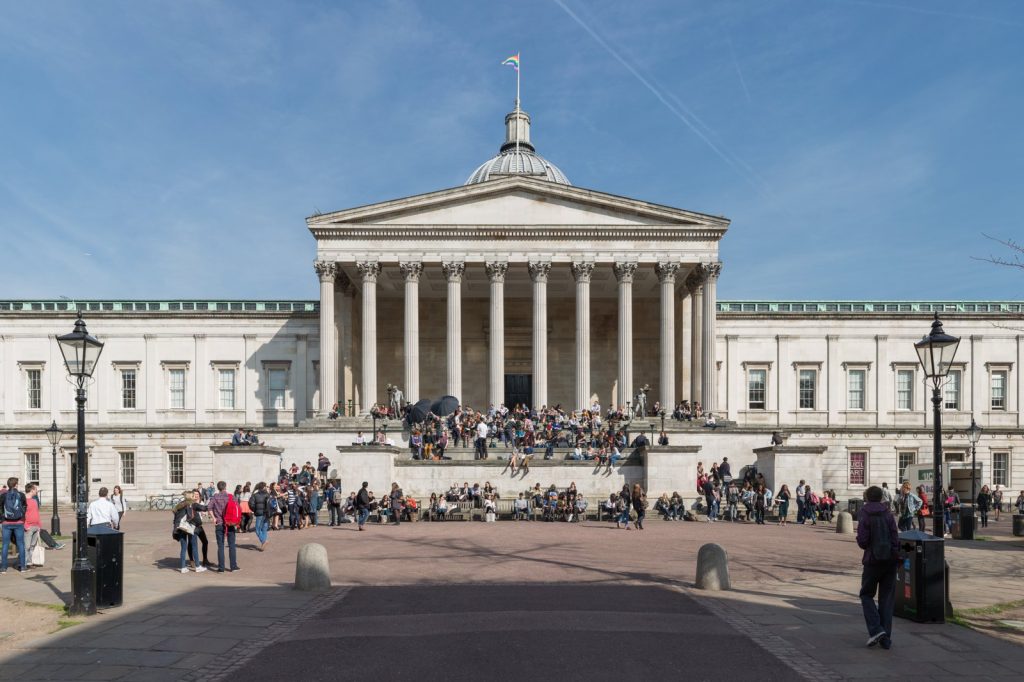
The shift is quiet, but it has been thirty years coming. In a trial of 1,795 volunteers with early Alzheimer’s, a drug that clears amyloid from the brain slowed cognitive decline by 27% over 18 months. Professor Sir John Hardy of University College London called the result both “modest” and “historic”. He has earned the right to say so.
Hardy is the scientist behind the amyloid cascade hypothesis, published in 1992. The idea was simple to state and hard to prove: the build-up of amyloid in the brain sets off the damage that follows, including the tau tangles and the death of nerve cells. The authors hoped it would “facilitate rational design of drugs to intervene in this process.”
A family, a gene, five years of work
The groundwork began in the mid-1980s, when a woman named Carol Jennings contacted Hardy. Her father, his sister and his brother had all developed Alzheimer’s in their 50s. Inherited Alzheimer’s is rare, around 1% of cases, but Hardy bet that this one family could explain the disease for everyone else.
His team took blood from family members and compared the genes of those who were ill with those who were not. Five years later they found a mutation in the gene for amyloid precursor protein, or APP, the raw material of amyloid plaques. In families like the Jennings’, the body simply makes too much APP, so the disease arrives early. In people without the genetic form, the same process runs slower.
That genetic link is why the hypothesis took hold. Harvard neurologist Dennis Selkoe said researchers were drawn to it because the genetics pointed the same way.
Decades of dead ends
The road was ugly. The Atlantic reported in 2017 that Merck had just abandoned its verubecestat trial after an outside committee found “virtually no chance” of benefit. Earlier amyloid-targeting candidates had flopped too, among them Lilly’s solanezumab and a Pfizer compound, bapineuzumab. One neurologist likened treating established dementia to locking the stable after the horses are gone. The contrarian George Perry went further and declared the hypothesis “dead”.
Selkoe, for his part, argued that the problem was timing, not the target, and that treatment might have to start before memory loss appears.
Then came a split decision. In 2021 America’s FDA cleared aducanumab for early Alzheimer’s, but the European Medicines Agency refused it because the main studies conflicted and did not show that it worked. Some brain scans of patients on the drug showed signs of swelling or bleeding.
What changed
Lecanemab, tested on those 1,795 volunteers and given every fortnight, changed the mood. The results were unveiled at a San Francisco conference devoted to Alzheimer’s trials and carried by New England Journal of Medicine. Months later, DW reported, the FDA granted lecanemab “accelerated” approval, and Eli Lilly announced positive phase 3 results for its own drug, donanemab, in a press release on May 3.
The recognition for Hardy had already arrived: the Breakthrough Prize in life sciences, worth $3million, in 2015 and a knighthood in the New Year Honours of 2022. Across the globe, 55 million people or more live with the disease. Selkoe pointed to the A4 trial, coordinated by the University of Southern California, which is giving a previously unsuccessful drug to people with elevated amyloid but no outward symptoms.
Sources
- Feature: The historic Alzheimer's breakthrough that is 30 years in the making (UCL)
- Is the Alzheimer's Amyloid Hypothesis Wrong? (The Atlantic)
- Alzheimer drugs: How donanemab compares to lecanemab (DW)




