
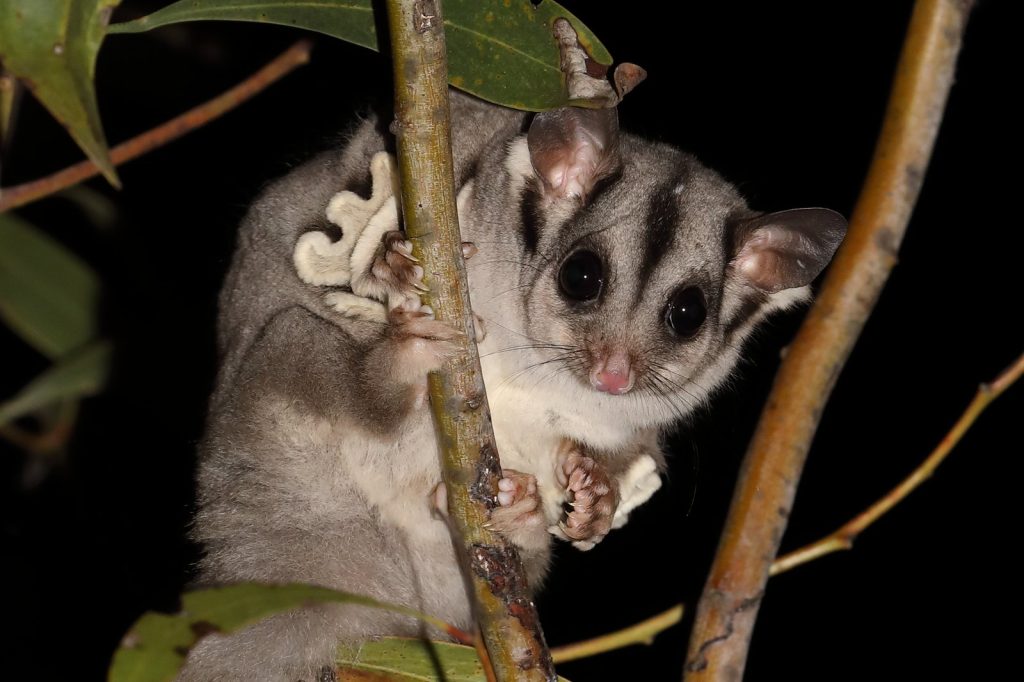
New York, July 5 — When one thinks about Sugar Gliders, the first question that often comes up is whether they can fly. While some might assume so due to their name, it’s crucial to clarify that Sugar Gliders don’t possess the ability to fly in the conventional sense we associate with birds. Instead, these extraordinary climbers are masters of gliding – and what makes this skill particularly fascinating is their capability to glide seamlessly between trees using a special membrane.
This key point, early findings suggest, provides an insight into the nature of these animals. However, patients should refrain from forming misconceptions regarding their flying ability.
Contrary to popular belief, Sugar Gliders rely on a unique structure known as patagium, a membrane that stretches between their limbs, allowing them to glide impressive distances while seemingly in flight. The encouraging part of this discovery is understanding the adaptability within the animal kingdom and how different creatures have evolved unique ways to navigate their environments. The Sugar Glider’s ability to glide is not just an act of nature’s design, but a testament to the diverse strategies that have evolved for survival among different species.
Understanding the nuances between flight and gliding is a fascinating window into the complexity of animal capabilities. For those enthusiasts or researchers who wish to delve deeper into the lives of Sugar Gliders, this distinction is a cornerstone of their life in the wild.
The patagium, which enables these creatures to cover vast distances between trees, is not only a remarkable biological feature but a case study in the adaptability of species to their environments. It’s important to note, just as one would in any field of study involving living organisms, that knowledge about Sugar Gliders and their unique gliding abilities is ongoing. We are continually learning more through research, and it is this understanding that leads to greater appreciation and care for our natural world.
For anyone interested in these fascinating marsupials, I would urge you to consult with experts in the field, as knowledge of their habits can provide not only enjoyment but also a deeper respect for the intricate details of life around us. As we continue to explore the world, the next steps in learning about Sugar Gliders and other exceptional creatures will be through ongoing research and field studies.
Scientists and enthusiasts alike will keep an eye on this, monitoring how our environments change and how these creatures adapt, and through this, we can hope to gain new insights and appreciation for these incredible animals. For anyone curious about the world around us, these are developments to watch eagerly, with the understanding that we should always consult our experts and learn more.




