Tammy Nash still remembers the alarm. In 2010 a fire started in her family home on the Sitansisk First Nation in central New Brunswick, and her 14-year-old son was asleep on the couch. The smoke detector woke him. He got out before the house burned to the ground.
Nash, who directs the Maqiyahtimok Centre, stood in Fredericton on Tuesday, June 23, 2026, as three organizations announced that hundreds of free smoke detectors are headed to her community and two other First Nations in New Brunswick and Nova Scotia, The Canadian Press reported.
What is being donated
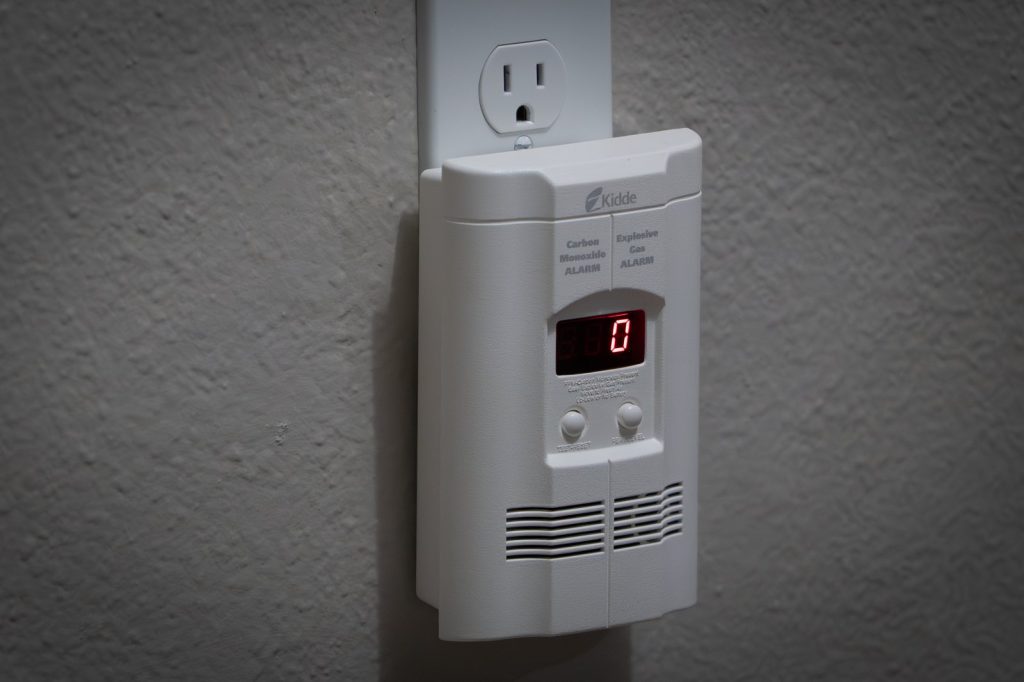
Kidde, a U.S. maker of fire safety equipment, is donating about 2,500 smoke detectors, The Canadian Press said. The company put the value of this year’s contribution at approximately $500,000 CAD in a joint news release issued with its partners, the National Indigenous Fire Safety Council and Firefighters Without Borders.
Most of the alarms will be split between Sitansisk First Nation, where the announcement took place, and Bilijik First Nation, also known as Kingsclear, west of Fredericton. About 200 go to Millbrook First Nation in central Nova Scotia.
The release says the second year of the collaboration covers more than 16 Indigenous communities in all. Among those named are Walpole Island First Nation, Wasauksing First Nation and Fort William First Nation in Ontario, Siksika Nation in Alberta, the Dakota Ojibway Tribal Council in Manitoba, and a string of nations in British Columbia, including Lytton, Boston Bar and the Lillooet Tribal Council. More communities are to be identified through 2026. CN is handling shipping to select communities.
The gap in the numbers
The fire safety council sponsored a 2025 study that drew on census data. It found Indigenous people, including First Nations, Metis and Inuit, accounted for 20 per cent of fire-related deaths between 2011 and 2020, though they make up only five per cent of the population, The Canadian Press reported. The partners say the higher death rate traces to weaker access to fire safety resources and working smoke alarms at home.
Arnold Lazare of the council put it bluntly. “Fire departments don’t save lives, they save property,” he said. “It’s the smoke alarms that save lives.”
Alarms plus training
The alarms will not be left on doorsteps. Tyler Gary, a spokesperson for the council, said Firefighters Without Borders will work with local leaders so the devices get installed and families know how to use them. “We ensure these life-saving smoke alarms … are paired with fire safety education for families right in their homes,” he said.
The program has been running for two years. Lazare said Kidde donated 2,500 smoke alarms to communities in northern Manitoba and Ontario two years ago, and another 500 went to communities near Montreal last year. This round is an expansion of that pilot, and Lazare said Kidde has committed to contribute more as the program grows.
Ivanette Bonilla, Kidde’s chief communications and government relations officer, said in the release that one-time action is not enough. “It requires sustained commitment,” she said. The company describes the effort as part of its annual Cause for Alarm campaign.
Sources
- National Fire Safety Initiative Expands in Indigenous Communities | Kidde Canada
- Indigenous communities in Nova Scotia to receive smoke detectors