
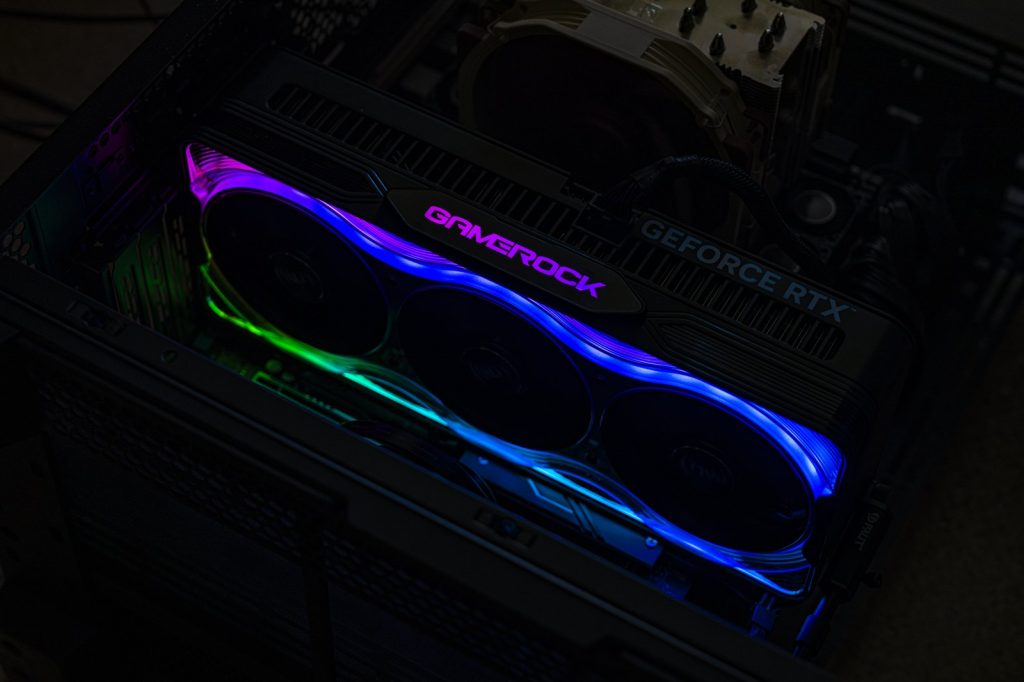
PARSIPPANY, September 26 — A single melted graphics card has turned into a public relations headache for PNY Technologies, the US-based computer hardware manufacturer founded in 1985 and headquartered here in Parsippany, New Jersey. According to a user’s account that circulated online in the days before this report, a PNY-branded Nvidia GeForce RTX 5090 melted while being powered by the company’s native 12V-2×6 power cable.
The user says PNY declined to cover the damage under warranty — and then closed the support ticket when the user questioned the company’s warranty policy. PNY has not issued a public statement on the matter as of this writing.
The specific circumstances of the user’s build, including the power supply model, the cable brand, and whether the connector was fully seated, have not been independently verified.
A flagship card, and a connector under scrutiny
The RTX 5090 is the flagship of Nvidia’s RTX 50 series, which launched in January 2025 alongside the RTX 5080, RTX 5070 Ti, and RTX 5070. The top-tier model is positioned for 4K gaming and AI workloads, and it carries a manufacturer’s suggested retail price of US$1,999. Its total graphics power rating of 575 watts makes it the most power-hungry consumer GPU Nvidia has released.
That figure sits at the center of the debate now unfolding among PC enthusiasts and hardware reviewers, who are asking whether native 12V-2×6 cables are sufficiently robust for a card that draws that much power — and whether board partners should cover melting damage under warranty. The 12V-2×6 connector, also known as the 12VHPWR revision, is the power interface specified for the RTX 50 series.
It was introduced to address melting issues that affected the original 12VHPWR connector used on RTX 40 series cards, particularly the RTX 4090. Those earlier problems drew scrutiny in 2022 and 2023, when reports emerged of connectors overheating and melting at the GPU or power supply end, prompting investigations by outlets including Gamers Nexus and coverage from Tom’s Hardware. The 12V-2×6 connector is rated for up to 600 watts and uses sense pins to help ensure proper insertion.
Independent testing has shown that partial insertion or cable strain can still cause overheating.
What Nvidia and its partners have said
Nvidia and its board partners have maintained that properly seated cables should not melt. The company has previously honored warranties in some cases of melted RTX 4090 connectors. PNY is one of Nvidia’s authorized board partners.
Its handling of this specific claim remains unclear, and the company has yet to respond publicly as the story develops. For communities across the region weighing a build around the RTX 50 series, the practical question is a simple one — what happens if the connector melts, and who pays.
Proving a defect versus user error can be difficult in melting cases, and warranty terms vary by manufacturer and region. What to watch next: whether PNY responds to the claim or the user provides additional documentation, and whether the case shifts how board partners approach warranty coverage for melting damage on 575-watt cards.




