
MANILA, Sept. 2 — A small plug-in device called StopWatt is drawing intense consumer curiosity across the region, with online shoppers searching for answers about whether it can truly shrink household electricity bills. The compact product is marketed as an electricity-saving or power-conditioning tool for homes. Promotional materials claim it stabilizes household power, filters electrical noise, buffers voltage spikes, and improves energy efficiency, with some versions also saying it reduces stress on household electronics.
Sellers say users can simply plug it into an outlet and see reduced bills without swapping out appliances, rewiring the home, or making major lifestyle changes. Consumer interest has fueled online searches for phrases including “StopWatt Scam,” “StopWatt Legit,” “Does StopWatt Really Work,” “StopWatt Shark Tank,” and “StopWatt Reviews Consumer Reports.” That pattern suggests buyers are trying to verify the product’s claims before committing.
Real concepts, questionable payoff
The investigation notes that the engineering concepts behind the marketing — voltage disturbances, harmonics, power factor, and electrical noise — are real phenomena that engineers measure. But it draws a careful line between the existence of those phenomena and the claim that a small plug-in device will drastically reduce a household electric bill. Those require different kinds of evidence, the report stresses.
Electrical readings can fluctuate without producing a corresponding drop in the actual energy a home consumes. A meaningful consumer test, it says, should track real electricity usage rather than voltage or waveform demonstrations.
Why the appeal is strong
The report also explains the wider context driving interest. Electricity bills can vary with weather, heating or cooling demand, occupancy, appliance use, utility rates, or the length of the billing period. That variability creates a market for products promising savings without significant behavioral changes.
The investigation does not provide specific pricing, savings percentages, or customer testimonials, and it neither confirms nor denies the Shark Tank rumors. The central question it raises is whether the device can deliver the significant savings some online ads suggest — and the available independent evidence, it concludes, does not strongly support dramatic claims.
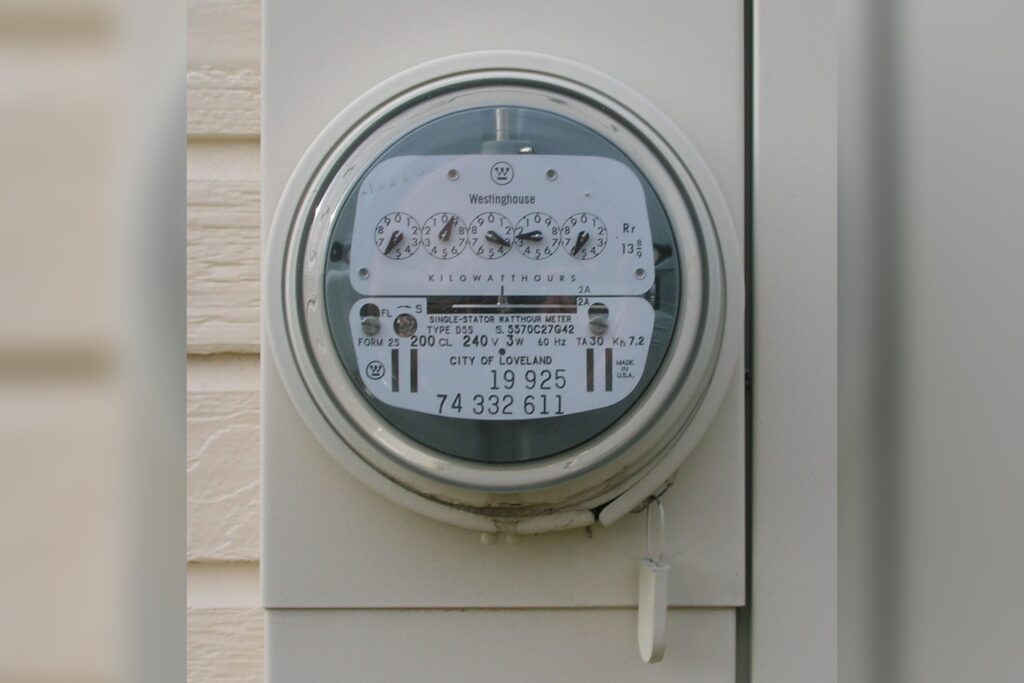
For communities weighing the purchase, the practical takeaway may be simple: watch the meter, not the marketing.




