
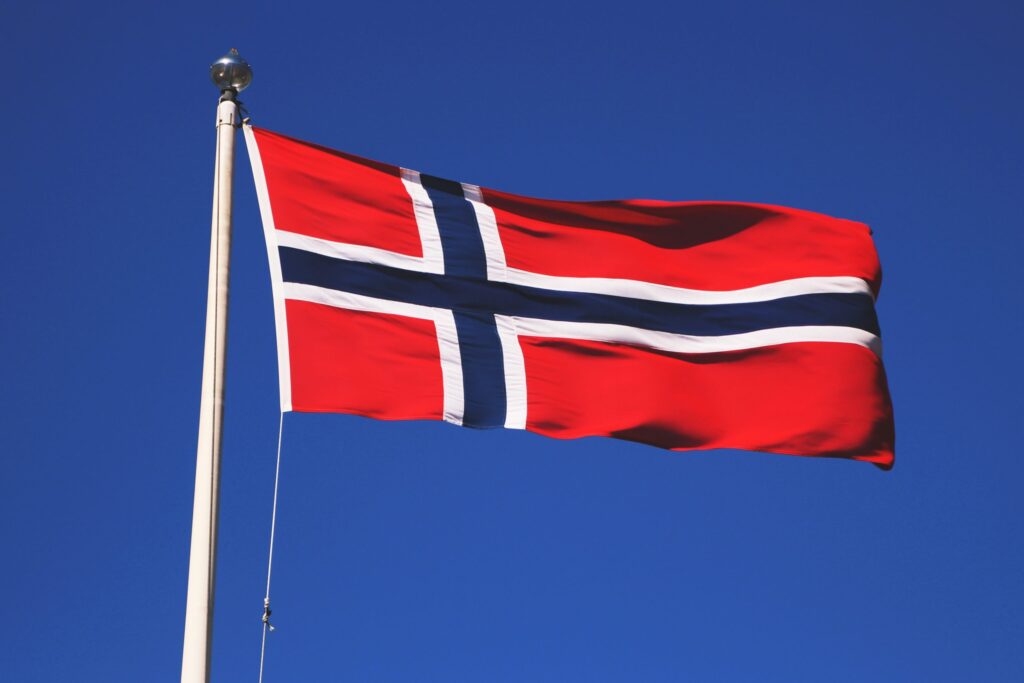
OSLO — The 184 men who voted no in Norway’s 1905 independence referendum have no known names. No one recorded them. The 368,208 who voted yes — that number is carved into the historical record.
The 184 are a statistical ghost, a rounding error in a 99.95 percent vote. But they matter.
They prove the count was real. A unanimous vote would have looked staged. This one had dissent, however microscopic.
The referendum happened in the autumn of 1905. Norway had been in a union with Sweden for 91 years.
That union began as a punishment. Denmark-Norway backed the losing French side in the Napoleonic Wars. Sweden backed the winners.
The Treaty of Kiel, signed on 14 January 1814, transferred Norwegian sovereignty from Denmark to Sweden as reparation. Sweden had lost Finland to Russia in 1809. Norway was the compensation.
The Norwegians never accepted it. Prince Christian Frederick, the Danish viceroy in Norway, was elected king by an assembly the source material does not name.
The point stands: rejection was immediate. Then it lasted nine decades. What makes the 1905 separation remarkable is not the margin.
It is the context. Across Europe in that same autumn, most international disputes of comparable intensity were being settled by armies.
The continent was a machine for producing war. Norway and Sweden produced a referendum. The union itself had almost none of the characteristics that Europeans of the period would have considered predictive of a peaceful separation.
This was not a slow drift toward amicable divorce. The numbers say otherwise. After 91 years of forced partnership, 99.95 percent of Norwegian men chose to leave.
That is not drift. That is rupture.
The trend underneath is worth watching. In an era when most European powers settled their scores with military force, Norway and Sweden did not. The separation was peaceful.
That outcome was the exception, not the pattern. The pattern was bullets and trenches.
The exception was ballot boxes. The referendum itself was limited. Only men could vote.
But the unanimity among that male electorate was real. 368,208 to 184. The ratio is almost too clean to believe. It is also verifiable.
The 184 no-votes keep it honest. Norway had waited 91 years.
The Treaty of Kiel had imposed a union the Norwegians rejected at the start. They waited through the long 19th century, through the reigns of Swedish kings they did not choose, through the slow accumulation of grievances that never turned into war. Then, in one autumn, they voted.
The peaceful separation of one European country from another by referendum, in that specific autumn of 1905, was the exception. The rule was violence.
That rule would reassert itself across the continent nine years later, when the armies of Europe marched into a war that would kill millions. Norway and Sweden had chosen differently. They had chosen a vote.
The 184 no-votes are the proof that the vote was real. The 368,208 yes-votes are the proof that the choice was clear. The peace that followed is the proof that it worked.
That is the story. Not a slow drift.
A rupture that defied the era’s logic.




