
WASHINGTON, October 15, 2026 — The Justice Department is investigating whether major TV networks violated antitrust law by coordinating a halt in White House coverage last month.
The probe centers on whether ABC, CBS, CNN, NBC and Fox News illegally agreed not to substitute for CNN when the administration barred the network from press pool access, according to a Justice Department spokesperson. Group boycotts among commercial competitors can violate the Sherman Act, the agency said, and the Antitrust Division is reviewing whether the coordination constitutes anti-competitive behavior.
What Happened
The White House television press pool halted coverage of President Donald Trump last month after the administration barred CNN, MSNOW and Politico from accessing the White House. The five networks in the pool — ABC, CBS, CNN, NBC and Fox News — agreed not to fill in for CNN on days when the network was excluded, according to individuals with direct knowledge of the events. This decision meant no network covered an event Trump had with Chinese President Xi Jinping. The Justice Department launched a formal investigation after the networks did not comment on requests for their position. The Antitrust Division is examining whether the agreement to withhold coverage violates antitrust laws governing group boycotts among competitors.
Why It Matters
The investigation tests how antitrust law applies to collaboration among news organizations, particularly when motivated by press freedom concerns. Michael Dorf, a professor of Constitutional law at Cornell University’s law school, said political motivation behind the investigation does not shield the networks from legal scrutiny if their actions are found to violate the law. He noted the case raises an oddity: if the networks’ agreement not to cover the White House is illegal, it questions why the press pool itself — a longstanding cooperative arrangement — is not also subject to challenge. Dorf suggested the justification for pool cooperation may stem from practical limits like limited venue space, but questioned whether defending press access should be weighed similarly in legal review.
Key Players
The Department of Justice Antitrust Division is leading the investigation, with spokesperson Emily Covington confirming the review is underway. The five networks under review are ABC, CBS, CNN, NBC and Fox News. The White House press pool, which rotates responsibility for covering the president among outlets, is central to the case. Advocacy groups including the Committee to Protect Journalists and the Reporters Committee for Freedom of the Press have criticized the investigation as an attempt to intimidate journalists defending press access. Bruce Brown, president of the Reporters Committee for Freedom of the Press, said using antitrust authority alongside White House restrictions represents a brazen effort to chill journalism.
Legal Basis
U.S. antitrust law, primarily the Sherman Act, prohibits agreements among competitors that unreasonably restrain trade, including group boycotts. The Justice Department is applying this standard to assess whether the networks’ coordinated decision to halt coverage constitutes an illegal restraint. The Antitrust Division is investigating to determine if the news organizations violated antitrust laws, with the outcome depending on whether their actions are judged reasonable under the law. No court rulings have been issued yet, and the investigation remains ongoing. The networks have not publicly commented on the probe. Four individuals with direct knowledge of the events confirmed the outlines of the investigation to reporters, speaking on condition of anonymity.
Historical Context of Press Pool Cooperation
The White House television press pool has operated as a longstanding cooperative arrangement among news outlets to share logistical burdens and costs of covering presidential events, particularly in space-constrained settings like Air Force One. This practice allows networks to efficiently cover the president without duplicating resources, a model that has persisted for decades as a practical response to limited venue access.
Legal scholars note that such cooperation is often justified by physical and logistical constraints rather than anti-competitive intent, distinguishing it from agreements among competitors to restrain trade. The press pool’s structure reflects a functional response to scarcity, where collaboration is necessary to ensure any coverage occurs at all, rather than a choice to avoid competition.
This context raises questions about how antitrust principles apply when cooperation stems from necessity rather than market manipulation, especially when the underlying motivation involves defending press access amid government restrictions. The investigation forces a legal examination of whether traditional antitrust frameworks adequately accommodate such nuanced, circumstance-driven collaborations in the news industry.
Impact on Press Pool Operations
The investigation has prompted news organizations to reassess the operational dynamics of the White House television press pool, particularly regarding contingency planning when individual outlets face access restrictions. Networks are evaluating whether existing protocols for sharing coverage responsibilities could be perceived as facilitating coordinated behavior under antitrust scrutiny, even when driven by logistical necessity rather than competitive intent.
Internal discussions among pool members have focused on clarifying the distinction between permissible cooperation born of physical constraints—such as limited space on Air Force One or in briefing rooms—and agreements that might be construed as suppressing competition. Legal advisors are being consulted to determine how to structure future pool arrangements to minimize antitrust risk while maintaining essential journalistic functions during periods of restricted access.
Some outlets have begun exploring alternative models, including rotating standby coverage agreements that do not involve explicit commitments to withhold reporting, in an effort to align pool practices more closely with antitrust-safe harbors. These considerations reflect a broader industry effort to balance press access advocacy with compliance risk in an environment where collaborative newsgathering is increasingly subject to legal examination.
Sources
- Competition law
- DOJ investigating whether White House TV press pool's coverage halt violated antitrust law
- Justice Department investigates TV networks, citing possible anti-trust violations
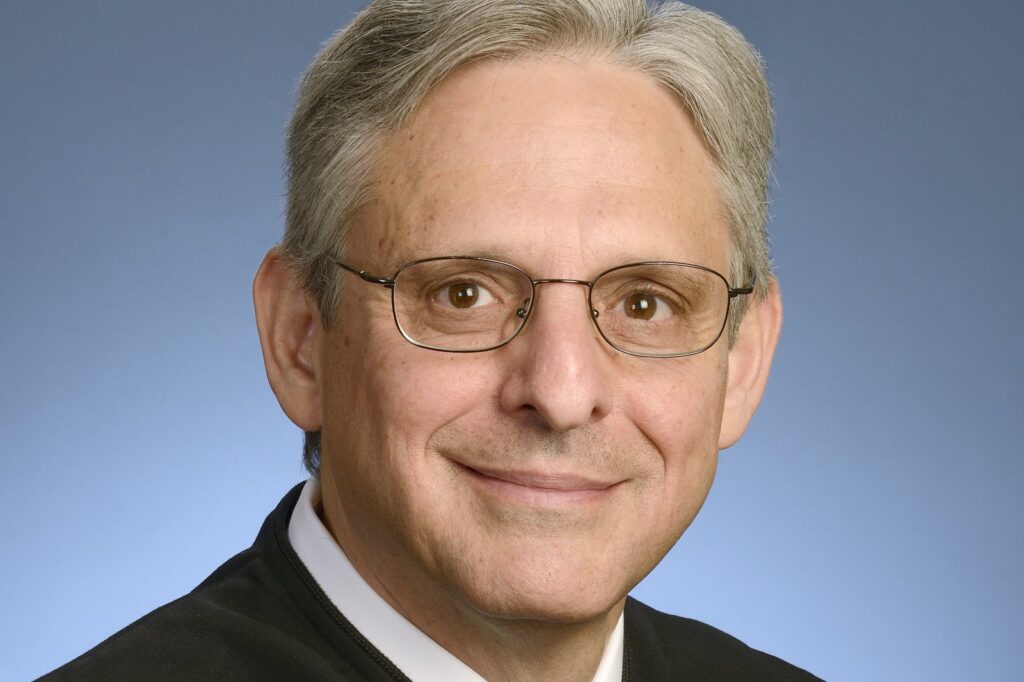
Photo: United States Court of Appeals for the District of Columbia Circuit (Public domain)




