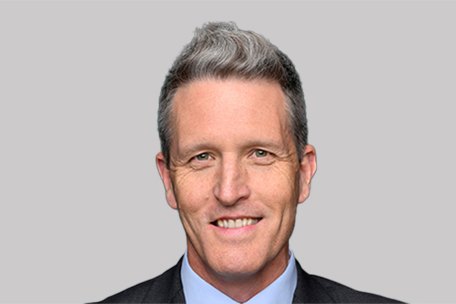
CANBERRA, November 23, 2026 — Assistant Minister for Climate Change and Energy Josh Wilson has written to seven major online marketplaces urging them to strengthen compliance checks on product safety, as data shows a high failure rate among tested lighting products.
The minister’s correspondence follows an examination by Lighting Council Australia of 131 lighting products earlier in 2026, which found that more than 73% failed to meet at least one Australian compliance requirement. Some of these non-compliant products posed risks of fire or electric shock, according to the council.
As of November 22, only three of the seven marketplaces contacted had responded to the minister’s letter. Temu, Kogan, and eBay Australia all replied, while Bunnings Online, Woolworths Online, Amazon, and Alibaba had not. An outstanding response does not establish that a retailer has broken the law or knowingly sold dangerous products.
Marketplace Responses Vary
The responses from the three platforms that replied indicate a willingness to engage with the government on the issue. Temu stated it “takes these matters seriously” and remains committed to supporting product compliance in Australia. Kogan welcomed continued engagement with the energy standards regulator on compliance obligations. eBay Australia outlined its existing measures, which include removing problematic listings and taking action against sellers.
Wilson, who is responsible for the Greenhouse and Energy Minimum Standards (GEMS) scheme, urged the marketplaces to improve seller guidance, ensure sellers understand Australian requirements, and work with regulators to identify and remove non-compliant products. The companies that replied generally supported stronger cooperation, emphasising that manufacturers and sellers carry primary responsibility for compliance.
Regulatory Action and Government Funding
The push for greater compliance comes as the Australian Competition and Consumer Commission (ACCC) continues its efforts to improve product safety on online platforms. During 2024–25, participating marketplaces removed more than 31,000 unsafe product listings through their monitoring activities, with an additional 2,700-plus listings removed following requests from Australian regulators.
In June 2026, the ACCC strengthened its voluntary Australian Product Safety Pledge, requiring participating platforms to commit to 15 safety measures and report on their performance annually. Six marketplaces now participate: AliExpress, Amazon Australia, eBay Australia, Fruugo, Gumtree, and Temu. While the pledge encourages stronger safeguards, participation does not guarantee that every product listed is safe.
The Albanese Government has committed $6.6 million over three years to progress product safety reforms. The planned reforms aim to put mandatory safety obligations on online marketplaces and include tougher penalties. These changes are currently being developed and should not be confused with obligations already in force.
Consumer Guidance
For consumers, the situation highlights the importance of exercising caution when purchasing electrical products online. The government advises checking seller details, looking for relevant Australian compliance information, and being wary of unusually cheap items from unfamiliar suppliers. If a product appears unsafe, users should stop using it and check the Product Safety Australia website for recalls and warnings. Safety concerns can be reported to the ACCC or state and territory consumer protection authorities. For hard-wired electrical products, a licensed electrician should always be used for installation or repairs.
Online shopping offers convenience and competitive prices, but product safety remains a critical concern. A low price is no bargain if an item puts a household at risk.
Sources
- Bunnings, Woolworths and Amazon face product safety scrutiny
- Bunnings, Woolies and Amazon caught in push to protect Aussies from buying 'risky' products
- Report: 16 Major Retailers Earned F for Toxic Chemical Policies — JournalArta
Photo: Commonwealth of Australia (Department of Climate Change, Energy, the Environment (CC BY 4.0)