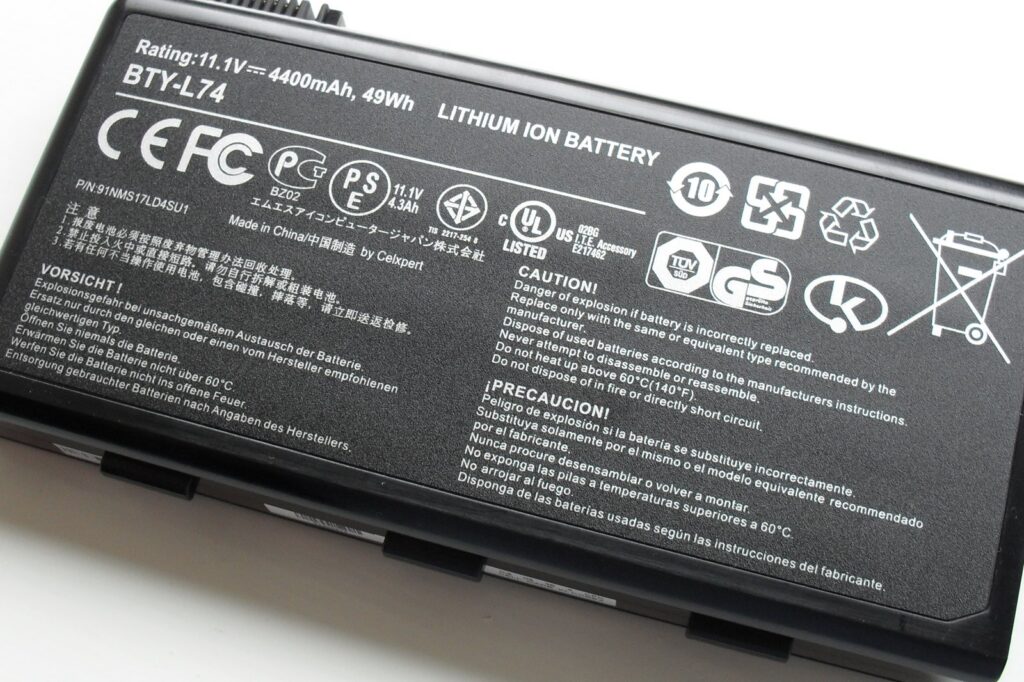
TOKYO, November 20, 2026 — The Consumer Affairs Agency released a safety video on November 19 warning that mobile batteries can ignite, after NITE recorded 2,140 lithium‑ion battery accidents between 2021 and 2025, with mobile batteries identified as the most common product type involved.
Three‑Step Safety Protocol
The video promotes three basic actions: choose wisely, care properly, and dispose correctly. “Choose wisely” means buying batteries from reputable manufacturers and checking that the nominal voltage matches the device specification, typically 3.6 or 3.7 volts. “Care properly” focuses on visual and tactile inspection, while “dispose correctly” directs users to designated recycling points to avoid waste‑facility fires.
Key Visual Indicators
Consumers should examine batteries for swelling, excessive heat during charging, and cracks in the case that may result from drops. The agency also advises smelling for unusual odors, which can signal internal electrolyte leakage. According to the filing, these signs often precede thermal runaway, a chain reaction that releases flammable gases and can cause rapid ignition.
Why the Checks Matter
Lithium‑ion cells store energy through reversible intercalation of lithium ions, a chemistry that delivers high energy density but also makes the electrolyte flammable. When a cell overheats, it can emit white or gray vapor that accumulates in layers, a hazard noted by fire‑fighter guidelines. The 2,140 incident reports underscore that aging or damaged cells are the primary source of such events.
Impact on the Supply Chain
Global demand for lithium‑ion batteries surpassed 1 terawatt‑hour per year in late 2024, while production capacity more than doubled. The surge in demand amplifies the volume of end‑of‑life batteries entering the waste stream, increasing the risk of fire at recycling facilities if improper disposal continues.
Practical Steps for Consumers
Before reuse, verify that the battery is not swollen and that its surface remains intact. During charging, monitor for heat that exceeds normal levels; a hot-to‑touch battery should be unplugged immediately. When discarding, place the battery in a fire‑resistant container or bring it to a municipal collection point that handles lithium‑ion waste.
Looking Ahead
The agency’s next public safety reminder is scheduled for December 15, 2026, when it will issue updated guidelines on handling bulk battery waste at retail locations.
Sources
- Is That Mobile Battery Still Safe to Use? The New Common Sense for 'Buying, Using, and Discarding' Based on 2,140 Fire Accidents|anms
- Lithium-ion battery
- Battling thermal runaway: what fire fighters need to know about lithium-ion battery fire response – IAFF
- EERE’s Vehicle Technologies Office Releases the Research Plan to Reduce, Recycle, and Recover Critical Materials in Lithium-Ion Batteries
- Scientists create a remarkable new rechargeable battery using vitamin B12
- Lithium-ion battery fire breaks out inside Grand Junction motorsports shop
Photo: Kristoferb (CC BY-SA 3.0)