
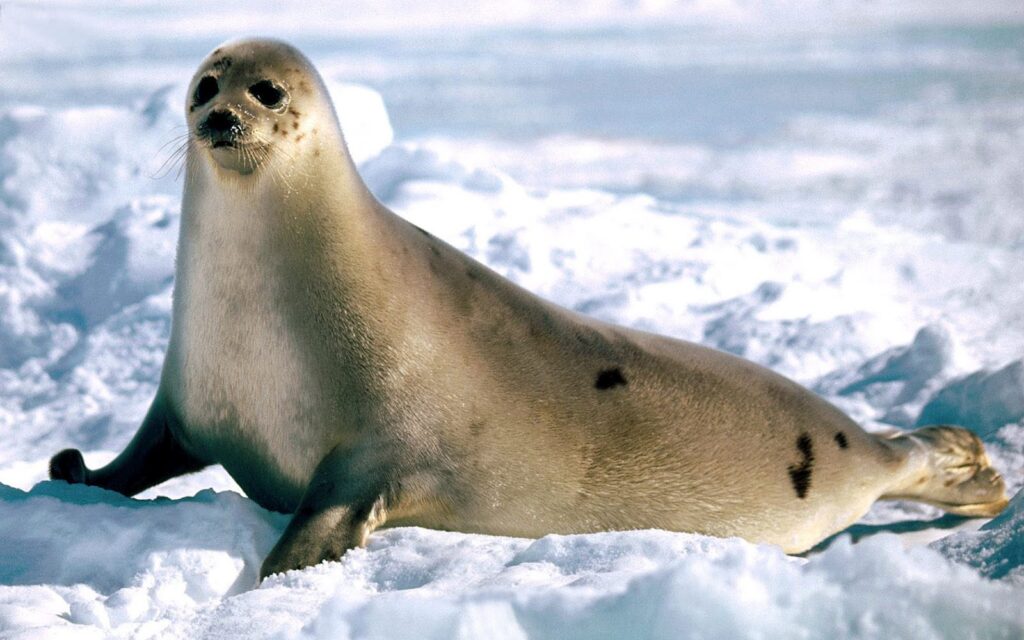
One tonne. That is what Neil the seal weighs. It is also roughly the mass of a small car — a car he has, by report, already nudged aside.
He is five years old. He is a southern elephant seal.
And he is alone. Southern Tasmania is his current haunt. In recent days, Neil has crushed fences, blocked roads, and smashed into parked vehicles.
He ignores barricades. He ignores traffic cones.
He hauls his body onto roads and driveways as if they were beaches. The numbers tell a story of isolation. One seal.
No colony. No other seals to joust with, to play-fight with, to test his strength against. Kris Carlyon, from the Department of Natural Resources and Environment Tasmania, puts it plainly: Neil has no peers.
Male elephant seals his age would normally be developing the behaviours needed to compete for territory and mates. That means sparring.
That means shoving. That means learning how much force a body can take and give. Neil does that with a puddle surrounded by bollards.
The bollards are horizontal now. He decided they were the thing he wanted to engage with.
He treats fences as stand-ins. He treats LandCruisers as stand-ins. He treats the whole built environment as a proxy for a colony he does not have.
It is play-fighting behaviour, experts say. But when the playmate weighs a tonne, fences fold and cars dent. Five years old is young for an elephant seal.
It is the age when they are still learning, still testing, still figuring out what they can dominate. In a colony, that learning happens among equals.
Here, it happens against inanimate objects. The objects lose. The attention Neil gets is measurable too.
His fame has exploded online. Crowds gather wherever he appears.
That attention is a double-edged sword, Carlyon says. It helps with awareness of a threatened species. It helps with his protection, in some ways.
But it also encourages risky human behaviour. If unmanaged, that attention — Carlyon did not finish the sentence, but the implication is clear. People want to see him.
They want to photograph him. They want to get close to a one-tonne animal that is treating the world as a sparring partner.
Neil is not aggressive in the way a predator is aggressive. He is aggressive in the way a lonely adolescent is aggressive — clumsy, powerful, and unaware of his own capacity for damage. He flops over fences.
He settles into puddles. He blocks roads.
He does not mean harm. He also cannot help causing it. There is no colony for him in Tasmania.
There is no other seal to shove back. So he shoves parked cars instead. He crushes fencing instead.
He takes up residence in towns, day after day, and the towns have no way to push back. Carlyon and his department watch.
They manage what they can. But Neil is a wild animal doing what wild animals do when their normal world is missing. He is redirecting instinct.
He is lonely, at five years old and one tonne, in a place where nothing his own size will shove him back.
{“@context”: “https://schema.org”, “@type”: “NewsArticle”, “headline”: “Five-Year-Old, One-Tonne Elephant Seal Neil Damages Cars and Fences in Tasmania”, “description”: “One tonne. That is what Neil the seal weighs. It is also roughly the mass of a small car — a car he has, by…”, “datePublished”: “2026-07-04T06:08:06+00:00T09:30:00+00:00”, “author”: {“@type”: “Person”, “name”: “James Roberto”}, “publisher”: {“@type”: “Organization”, “name”: “InfoPulse Today”, “url”: “https://newsfeed.2bme.xyz/”}}




