
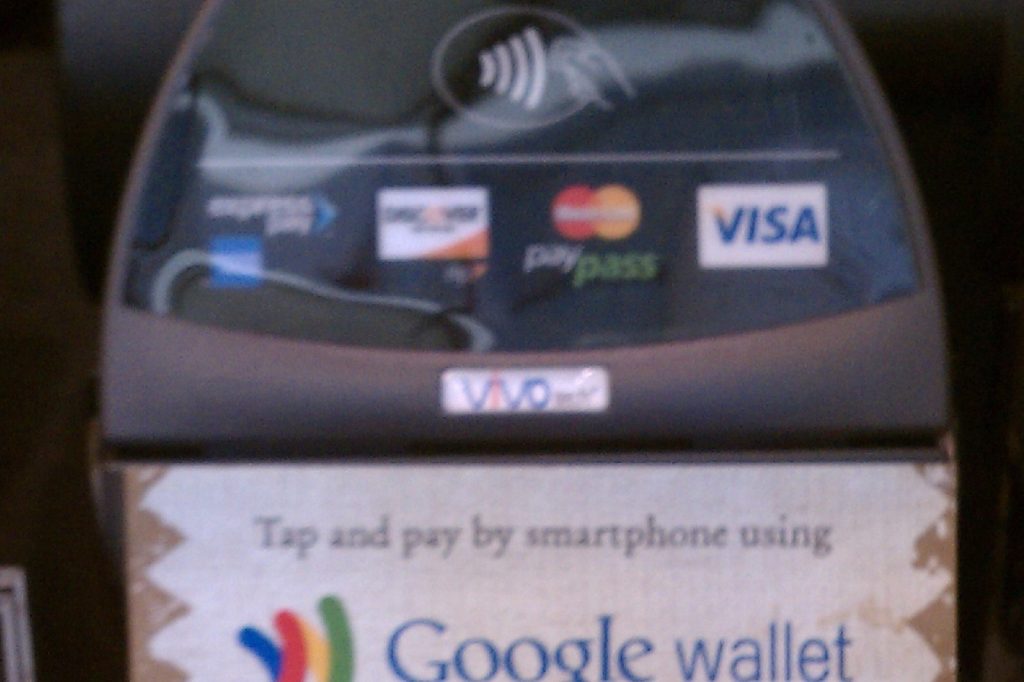
Android owners can now tap their phones, smartwatches or Fitbit trackers to pay at checkout after Google introduced Google Wallet on 18 July 2022. The launch follows Google’s May announcement at its I/O developer conference and arrives at a time when contactless payments, already on the rise before the pandemic, have become a daily habit for many consumers.
Google Wallet stores credit‑card details, loyalty cards and other passes in a single digital vault, a claim shared by all mobile‑payment services. What differentiates it, however, is the breadth of hardware it supports. In addition to Android smartphones, the service runs on Wear OS smartwatches and on Fitbit fitness trackers, giving users three distinct ways to complete a tap‑to‑pay transaction.
Analysts and reviewers have highlighted this cross‑platform reach as a key point of comparison with rival solutions. The service is not a rebrand of Google Pay.
Google Pay continues to operate as a peer‑to‑peer money‑transfer app, while Google Wallet handles tap‑to‑pay and card‑storage functions. This separation matters because it clarifies the role of each application: Google Pay for person‑to‑person payments, Google Wallet for merchant transactions. For merchants, the impact is straightforward.
Any retailer that already accepts NFC‑based contactless payments can process Google Wallet transactions without installing new hardware or signing fresh contracts. The payment simply travels through existing terminals, removing a potential barrier for small businesses that have been hesitant to adopt proprietary payment ecosystems.
Banking institutions are monitoring the rollout closely. When a consumer pays with Google Wallet, Google receives transaction metadata, limiting the bank’s direct view of card usage unless data‑sharing agreements are negotiated. Such discussions are already underway behind the scenes, as the expansion of digital wallets reshapes the relationship between issuers and cardholders.
Beyond payments, Google Wallet’s loyalty‑card feature could have significant implications for retailers. Shoppers often juggle dozens of loyalty cards, many stored in physical wallets or email inboxes.
By consolidating these cards within the same tap‑to‑pay interface, retailers can offer a seamless experience where points are earned and payments are made in a single motion. Companies that integrate their loyalty programs into Google Wallet may gain a checkout advantage, while those that do not could appear slower to adopt. Security underpins the service’s appeal. Google Wallet uses tokenization: the device never transmits the actual card number.
Instead, a one‑time digital token is sent to the payment network, which maps it to the user’s account. If intercepted, the token is useless after that single transaction.
While tokenization is now common, some competing wallets still store card numbers in the cloud; Google Wallet avoids that approach. The rollout began on 18 July via an update to Google Play Services, meaning the app is delivered as a system update rather than a separate download. This method ensures wide distribution, though the activation is gradual—some users found the app pre‑installed on the launch day, while others will receive it over the following weeks.
Looking ahead, Google’s challenge will be to turn the availability of the app into regular usage. Users must open Google Wallet, add a payment method and remember to select it at the point of sale.
Habit formation remains Apple Pay’s stronghold; Google now has the technology and the platform reach, but it still needs to embed the service into consumers’ everyday routines.




