
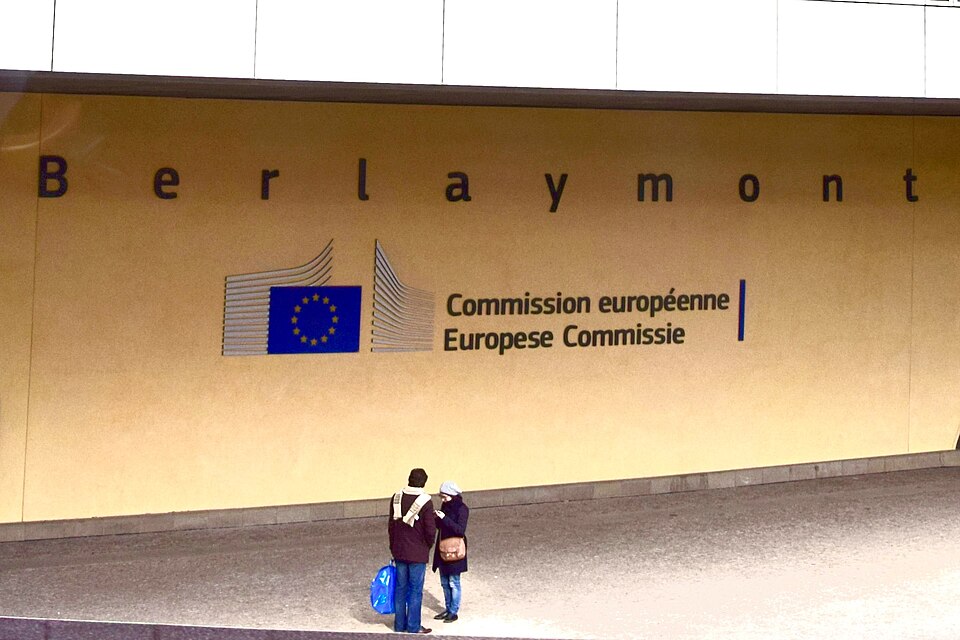
BRUSSELS, October 14 — The story begins with a draft proposal dividing the European Union: a 1.6 trillion euro ($1.78 trillion) long-term budget for 2028-2034 that has already sparked tension between northern ‘frugal’ states and others wary of cuts. What unfolded in the days ahead of the October 15-16 summit in Brussels revealed not just fiscal friction, but a deeper unease about how the bloc sustains its support for Ukraine amid an uncertain financial horizon.
At its heart, the draft summit conclusions — reviewed by RFE/RL — show a Union trying to balance immediate aid with long-term planning. It welcomes the ongoing disbursements to Ukraine from the EUR 90 billion Ukraine Support Loan for 2026 and 2027, including the recent payment of EUR 5.34 billion, and notes that the means to cover Ukraine’s budget and defense needs for 2026 have been identified.
Yet EU diplomats anticipate that Ukraine will exhaust the remaining 45 billion euros allocated for 2027 in the first half of that year, potentially reigniting a funding gap before the next long-term budget takes effect in 2028. This looming shortfall has already prompted quiet discussion about utilizing frozen Russian assets held within the EU, though such a measure is not expected to be addressed at the October summit.
Instead, it may resurface in the November and December summits or early next year, as leaders seek ways to bridge the gap without overburdening national budgets. On sanctions, the draft conclusions state that the European Union remains determined to further increase pressure on Russia so that it stops its brutal war of aggression and engages in meaningful negotiations towards peace.
They welcome the recent adoption of the 21st sanctions package and a substantial number of additional listings. The EU officially approved nearly 1,600 new sanctions listings on October 12 — the largest-ever single addition to its sanctions list — though these targets are primarily affiliated with Russia’s domestic military-industrial complex and hold minimal assets within the bloc.
Notably, Estonia, traditionally a strong advocate for sanctions, requested the removal of the Solikamsk plant and its CEO, Ruslan Dimukhamedov, from the original proposal, citing the company’s critical role in supplying NPM Silmet in Estonia with rare earth materials essential to European industries. The Estonian EU representation emphasized that NPM Silmet provides ‘strategically important materials for Europe’ and that sanctioning the Solikamsk plant would disrupt supply chains vital to EU green technology and manufacturing sectors, including electric vehicle producers, wind turbine makers, and firms in electronics, automotive, and aviation.
As the summit approaches, the challenge for leaders is clear: maintain unity on Ukraine while navigating fiscal realities and economic interdependencies that defy simple solutions. What follows will depend on whether November and December can deliver the compromise that October may not.




