
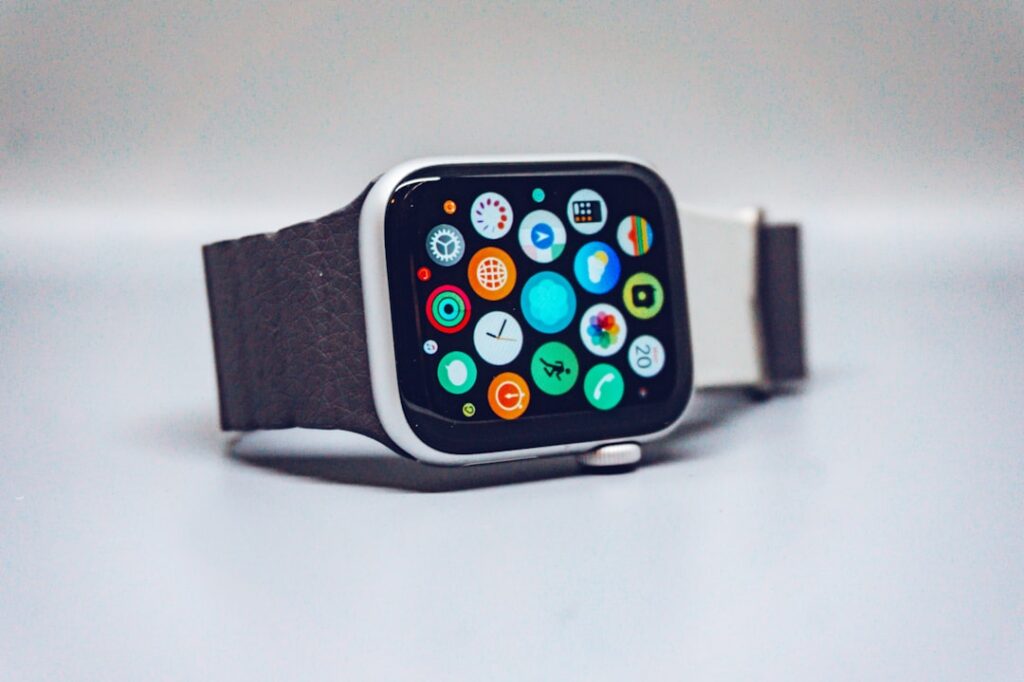
By December 2022, an estimated 115 million people were wearing an Apple Watch, according to industry analysis. This figure marks a dramatic rise from the device’s early sales performance: roughly 4.2 million units sold in its first full quarter on the market in 2015.
The growth trajectory, rather than initial launch excitement, illustrates the product’s evolution from a niche accessory to a mainstream wearable. Apple follows a consistent annual update pattern, releasing a new Series model each September. Internal components receive speed improvements, new features are added, and casing options change.
The company maintains a tiered product lineup designed to appeal to different budgets. Budget models such as the Series 1 and SE are available only in aluminum, while the high-end Ultra comes exclusively in a 49 mm titanium case.
This structured approach has been in place for seven years. The first Apple Watch shipped in April 2015. Although it was not the first smartwatch on the market, it quickly became the world’s best-selling wearable device.
The 4.2 million units sold in the second quarter of fiscal 2015 confirmed consumer demand. That initial success laid the foundation for the current 115 million user base.
A key development in the device’s evolution was the introduction of cellular connectivity. Starting with the Series 3, aluminum models offered an LTE option. This allowed the watch to make calls and transmit data without requiring a nearby phone, transforming it from a phone accessory into a standalone communication tool.
This feature likely attracted users seeking independence from their iPhones during activities such as running, errands, or work. Health and fitness tracking have been central to the Apple Watch’s appeal.
Apple marketed the device as a health tool from the beginning, with features including heart rate monitoring, step counting, and workout tracking. These capabilities were not treated as gimmicks but as the core pitch to health-conscious consumers. The 115 million user figure suggests this strategy succeeded, with buyers purchasing the watch to track activity and upgrading to newer models for improved sensors and additional data.
Wireless telecommunication and integration with other Apple products and services also contribute to the device’s popularity. The watch works seamlessly with the iPhone, iPad, and Mac.
This ecosystem lock-in is a significant factor; once a user owns an iPhone, the Apple Watch becomes a natural addition. Apple did not invent this strategy but executed it effectively in the wearable market. The product range includes various case materials, colors, and sizes. Buyers can choose an inexpensive aluminum model or a premium stainless steel or titanium option.
The Ultra provides a rugged, large-screen design for outdoor enthusiasts. Each variant targets a specific buyer, covering the wearable market from budget to luxury without overwhelming consumers.
The 115 million user estimate is not an official Apple figure, as the company stopped reporting unit sales years ago. Analysts and researchers derived the number from supply chain data and usage statistics. It is considered a reasonable estimate consistent with Apple’s steady growth pattern since 2015.
The Apple Watch has become a mature product with a substantial installed base, supported by annual updates, cellular options, ecosystem integration, and health tracking features. The 115 million users serve as evidence of this sustained success.




