
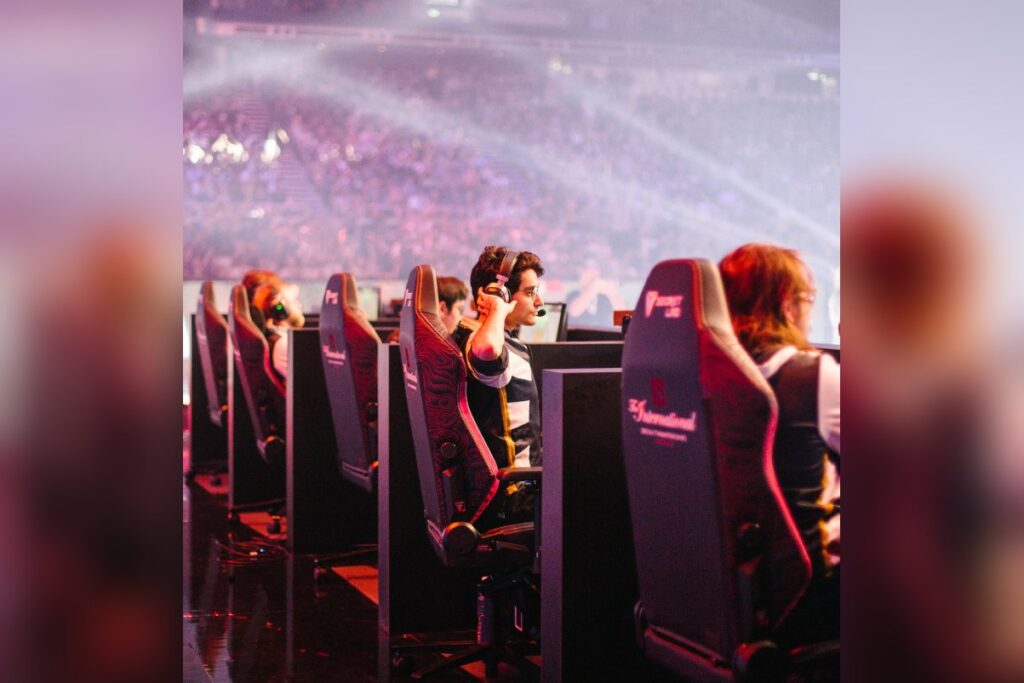
LONDON, October 7 — The story begins with a quiet shift in how gamers sit, as the global market for ergonomic gaming chairs expands alongside the rapid growth of esports and home gaming. At its heart are the principles of human factors and ergonomics, which guide the design of chairs featuring adjustable lumbar support, headrests, armrests, and seat height to promote proper spinal alignment during prolonged sitting.
What unfolded in 2023 was a gaming furniture sector valued at approximately $1.2 billion, according to data from Grand View Research, reflecting rising demand as more people spend extended hours at their desks. Research published in the journal Applied Ergonomics in 2021 found that users of adjustable ergonomic seating reported a 32% reduction in self-reported lower back discomfort after four weeks of use compared to standard office chairs.
Major manufacturers such as Secretlab, DXRacer, and Herman Miller have invested in biomechanical research, collaborating with universities and sports science institutes to refine chair designs. Secretlab, founded in 2014, reported selling over 1 million chairs globally by 2022, with its Titan Evo 2022 model featuring a magnetic memory foam headrest and 4D armrests. The rise in esports participation has been substantial, with the International Esports Federation noting over 500 million esports viewers worldwide in 2023, and professional teams increasingly allocating budgets for player wellness, including ergonomic equipment.
Health professionals, including those from the American Physical Therapy Association, emphasize that prolonged gaming sessions—often exceeding 6 hours daily among enthusiasts—can contribute to musculoskeletal strain, making supportive seating a preventive measure. Regulatory bodies such as the Business and Institutional Furniture Manufacturers Association (BIFMA) establish safety and durability standards for office and gaming chairs, with compliance testing including load capacity and structural integrity assessments.
The trend reflects a broader shift in consumer electronics accessories toward health-conscious design, paralleling developments in standing desks and wearable posture trainers. Despite higher price points—premium models ranging from $300 to $800—market analysts note growing consumer willingness to invest in long-term health, particularly among adults aged 18–34 who constitute the core demographic for both gaming and ergonomic product purchases. Looking ahead, the focus will remain on how design innovation and health awareness continue to shape purchasing habits in the gaming and esports communities.




