
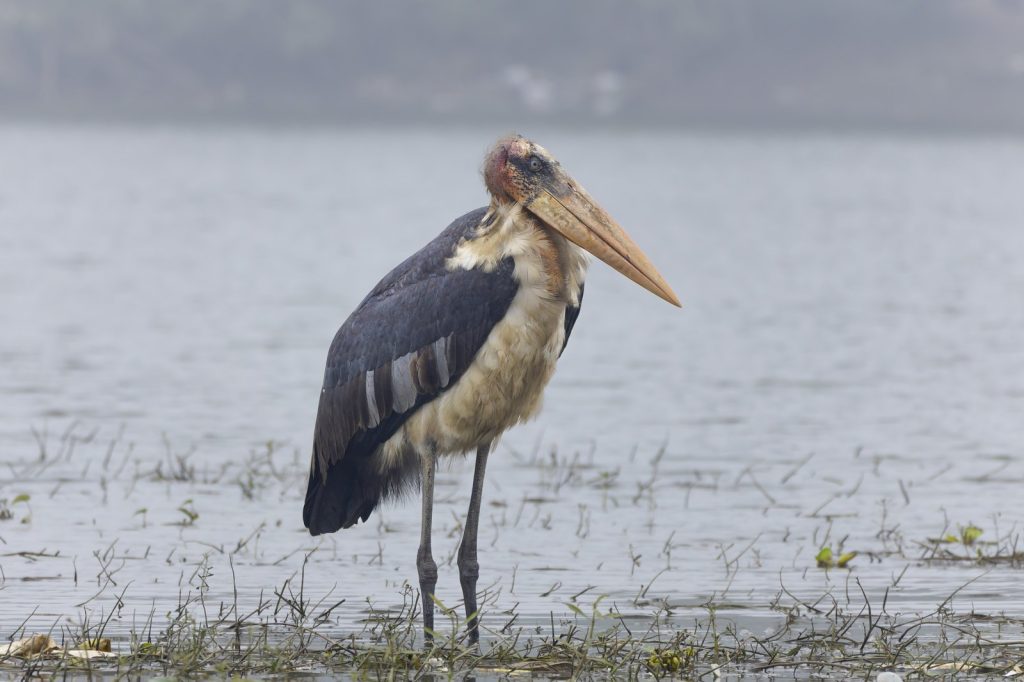
… On November 19, 2025, two captive‑bred greater adjutant storks were set free inside the Siem Pang Wildlife Sanctuary. Each bird carries a miniature GPS transmitter that will send location data to researchers.
This marks the first time the species has been released with tracking devices in Cambodia. The greater adjutant is a large stork distinguished by a bare, scaly head and a massive wedge‑shaped bill.
Historically it ranged across Southeast Asia, but widespread habitat loss has driven its wild population to a fraction of former numbers. In Cambodia the bird is now considered critically endangered, prompting local conservation groups to attempt a captive‑breeding program.
The Role of the Siem Pang Sanctuary
The sanctuary protects a tract of lowland forest and wetland that lies within Cambodia’s water‑rich landscape, where the Mekong River meets the Tonlé Sap lake. The tropical climate and extensive floodplains create a productive yet delicate ecosystem that shelters birds, mammals and reptiles. Because the area is relatively free of major roads and dense human settlement, a tagged bird can be monitored with minimal disturbance.
Dr. Sok Ko, a leading Cambodian conservationist, described the release as a crucial step. He said the GPS data will provide valuable insights into the birds’ behavior and habitat use.
The transmitters will give scientists an hour‑by‑hour account of where each stork travels, what it feeds on, and where it attempts to nest. Until now, information about the greater adjutant’s ecology in the wild has been scarce. The trackers turn a single release into a long‑term study, converting optimism into measurable evidence.
If the data show the birds are finding sufficient food, avoiding predators and navigating the landscape safely, the program could be expanded. Should the transmitters reveal difficulties—such as frequent encounters with threats or unsuitable foraging sites—the information will pinpoint the exact obstacles.
A Test for Wetland Recovery
The greater adjutant is a scavenger that often looks awkward on the ground, yet its fate is tightly linked to the health of wetlands and forests. Restoring its population therefore requires rehabilitating the habitats it depends on. The Siem Pang release is deliberately small and heavily monitored, serving as a test case.
Conservationists remain cautiously optimistic, noting that the trackers are the reason the effort can move beyond anecdote to concrete observation.
Current Status of the Released Birds
As of today, the two storks are somewhere within the sanctuary, their transmitters pinging regularly. Researchers watch the incoming signals on screens, aware that the birds themselves do not know they are bearing the weight of a species’ recovery. Nevertheless, each location point contributes to a growing dataset that may shape future conservation actions.




