
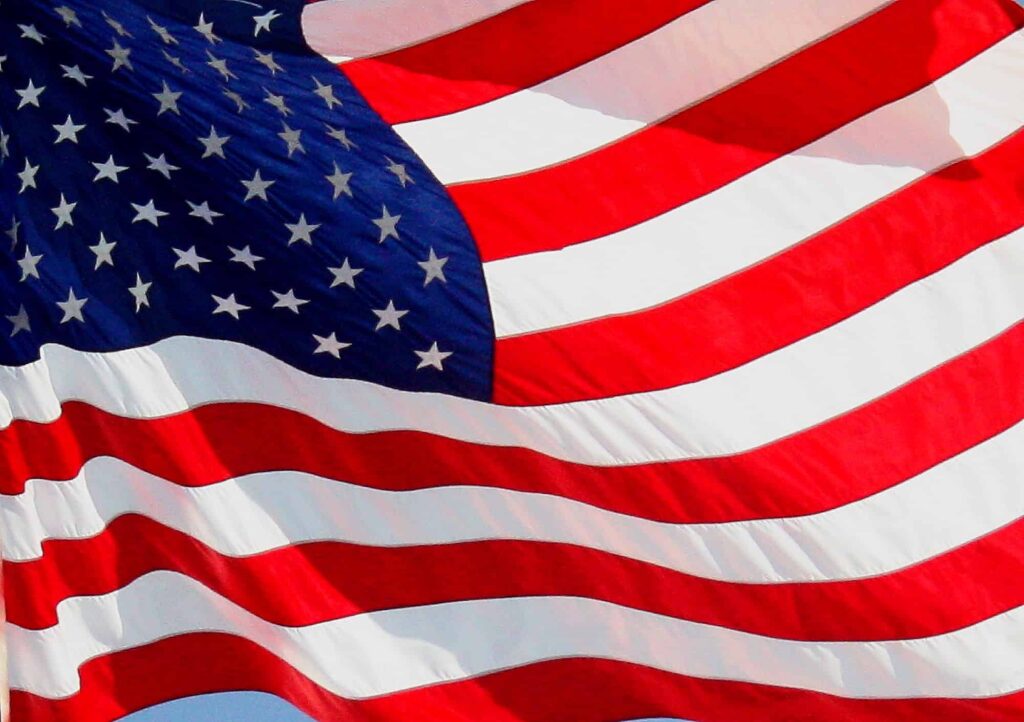
The Fourth of July flag has long been as fixed a part of the American holiday as grilled hot dogs and sparklers. In one Massachusetts town, that assumption has collided with the Endangered Species Act. Homeowners received a blunt warning: fly the banner and risk a fine.
The town says the decorations could disturb nesting sites of birds protected under state and federal law. The exact penalty amounts have not been specified.
Town officials have not named the bird species at issue. What is known is that the warning cites protections carrying the force of law. For residents, the notice arrived ahead of the holiday, leaving little time to sort through the confusion.
Many say they never learned of any such restriction before buying their homes. One homeowner captured the frustration in a single sentence.
“We’ve flown the flag every Fourth of July since we moved here,” the resident told local media. “Now we’re being told it could cost us money.” That quote distills the conflict. It is not a dispute over fireworks or noise complaints.
It is about the flag itself — a symbol most Americans consider beyond regulation. The town’s move pits two values against each other. On one side stands the tradition of displaying Old Glory on Independence Day.
On the other sits the legal obligation to protect imperiled wildlife. The numbers tell the story.
The figure that matters for homeowners this year is zero — the number of flags they can fly without risking a fine, according to the town’s warning. This is not a hypothetical. The warning targets flags and similar decorations.
Bunting, banners, anything that could disturb a nest or habitat. The town did not issue a gentle suggestion.
It delivered a notice. Residents now face a choice between patriotism and compliance. For some, the choice feels like a betrayal.
The holiday is about independence. The flag is its emblem. To be told that flying that emblem could trigger a financial penalty strikes many as absurd.
But the law is the law. The Endangered Species Act carries real weight.
Local officials appear to be enforcing it as written. The financial consequences are real. Homeowners who ignore the warning could face fines.
The exact amounts have not been specified. That uncertainty adds to the frustration.
Residents do not know what they are risking. They only know the risk exists. The town has not named the specific bird species.
That omission leaves room for speculation. Is it a plover? A tern?
An owl? The answer matters.
Without a name, residents cannot verify the threat. They cannot understand why their flagpole has become a liability. The timing compounds the tension.
The warning came just days before the holiday. Homeowners who already bought decorations, who already planned their displays, now must reconsider.
Some will comply. Some will take the risk. Either way, the familiar rhythm of the Fourth has been broken.
This is a story about a single number — zero — and what it means when a town says the law applies even to the flag. It is not a debate about patriotism versus environmentalism in the abstract. It is a concrete dispute between a homeowner’s tradition and a bird’s nest.
The resolution remains unclear. The fines remain unnamed.
The birds remain unidentified. But the warning has been issued. The choice is now in the hands of residents.




