
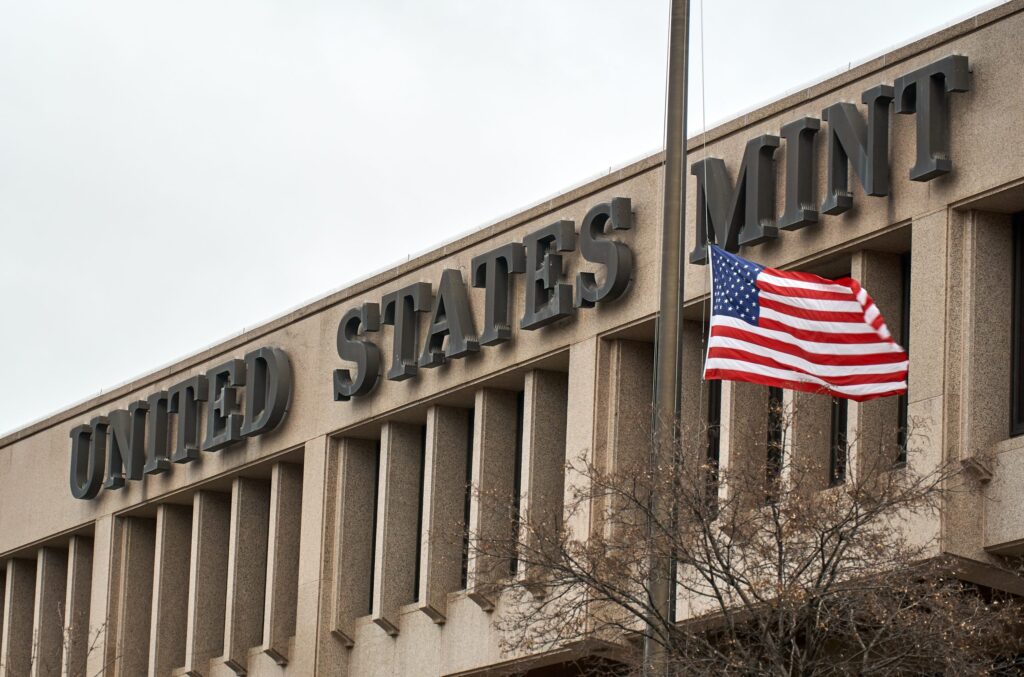
WASHINGTON, July 16 — The United States Mint has been striking the nation’s coinage since 1792, but the figure that matters today is four: the number of active coin-producing mints still running in Philadelphia, Denver, San Francisco, and West Point. The bottom line: The Mint is a bureau of the Department of the Treasury, responsible for producing coinage for U.S. trade and commerce, and it controls the movement of bullion. It is one of two U.S. agencies that manufacture physical money; the Bureau of Engraving and Printing handles paper currency.
The Mint’s headquarters is a non-coin-producing facility in Washington, D.C. By the numbers, the system dates to the Coinage Act of 1792, which created the current Mint and placed it originally within the Department of State. The first Mint building was in Philadelphia, then the capital, and it was the first building of the United States raised under the Constitution.
But the first authorization for a U.S. mint came earlier, in a resolution of the Congress of the Confederation on February 21, 1782. The first general-circulation coin, the Fugio cent, was produced in 1787 based on the Continental dollar. Investors will note that the Mint produces coins at four active facilities: Philadelphia, Denver, San Francisco, and West Point.
Those centers succeeded the original Philadelphia Mint, which was soon joined by other locations whose coins were identified by their own mint marks. The Mint also has statutory authority to produce commemorative coins under specific acts of Congress.
The process for commemorative coins is tightly controlled. Congress authorizes the design, mintage limits, and surcharges that benefit designated organizations. The Secretary of the Treasury must approve the design.
Production then takes place at one or more of the active mints, and distribution runs through the Mint’s direct sales program. The Mint’s role in the broader financial system is straightforward: it provides the coinage needed for commerce. But its history reaches back to the founding era.
The first Mint was created in Philadelphia in 1792, and it has evolved through multiple locations and reorganizations. The current structure, with four active mints and a D.C. headquarters, has been in place for decades.
What to watch next: Whether Congress authorizes new commemorative coin programs in the current session, and how the Mint manages bullion movements amid fluctuating precious metals prices. The four active mints continue to produce circulating coinage, but the Mint’s direct sales program for commemoratives and bullion coins remains a key revenue stream.




