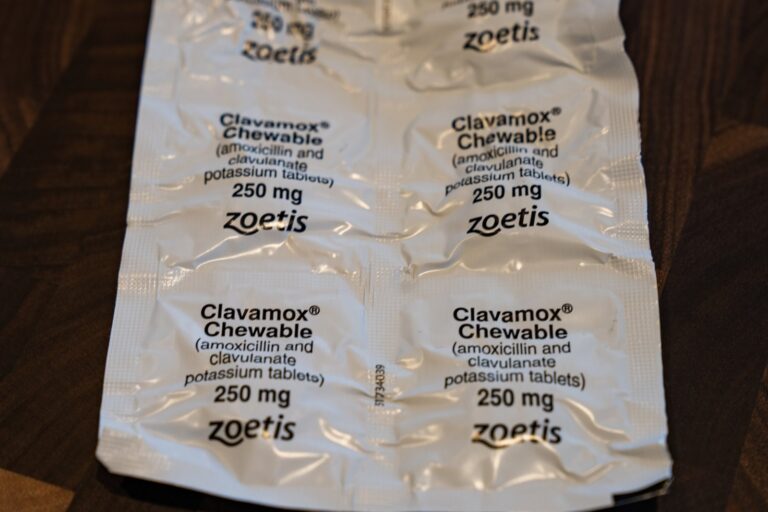
Zoetis plans cautiously for 2027 as pet owners cut back on vet visits, shares fall. The animal health giant lifted its profit outlook Thursday even as third-quarter revenue slipped, a split screen that captures the strange new math of the companion animal market.
The Scene At Parsippany
Inside the glass-walled headquarters off Route 46, the mood is measured. Chief Executive Kristin Peck told analysts the quarter landed “in line with our expectations.” The numbers bear that out: adjusted earnings of $1.75 a share beat the $1.51 consensus. Revenue fell 1% to $2.391 billion. Adjusted net income dropped 7% on an organic operational basis. By nightfall the company had raised its full-year EPS forecast to $6.25-$6.35 from $6.15-$6.25 and narrowed sales guidance to $9.22 billion-$9.32 billion, implying an organic decline of 1% to 2% for the year.
A Franchise Built On Dogs And Cats
Zoetis is the world’s largest producer of medicine and vaccinations for pets and livestock. In 2025, 70% of its revenue came from companion animals. Of that, 79% flowed from products for dogs and cats. The United States delivered 54% of total revenue. That concentration makes the current downturn personal. U.S. revenue fell 6% in the quarter to $1.2 billion, dragged down by an 8% drop in companion animal sales. Canine veterinary visits fell about 5%. Itch-related visits dropped roughly 3%.
Dermatology Takes The Hit
The dermatology franchise felt the pressure first. Revenue fell 16% to $396 million. U.S. sales of Apoquel, the flagship anti-itch tablet, dropped 13% to $266 million as the company lost share to new injectable treatments. Cytopoint, the injectable alternative, also slipped. Generic competition against Convenia and Cerenia continued to weigh, though the pace of volume declines eased to the lowest level since copycat products entered the market in the first quarter. The Simparica franchise grew 1% to $358 million globally, lifted by 10% international growth on Simparica Trio momentum in Europe and Latin America, offsetting a 2% U.S. decline.
The Other Half Of The Ledger
While companion animal contracted, livestock revenue rose 5% on strength in cattle, swine and poultry. International sales grew 4% to $1.1 billion, helped by an 8% increase in livestock. Diagnostics also showed growth. “Our diverse portfolio and disciplined commercial execution continue to help us navigate an operating environment shaped by competitive dynamics,” Chief Financial Officer James Saccaro said on the earnings call. The company was owned by Pfizer until 2013 and now operates in over 50 countries.
Rural Pressure Points
The livestock side carries its own strains. Based on U.S. Department of Agriculture estimates, more than 500 counties across 46 states experienced a large-animal veterinary care shortage in 2025, one of the largest shortages ever recorded. Zoetis has turned a documentary lens on the problem through its Born of the Bond series. “When producers don’t have reliable access to veterinary care, it’s not just the health of their animals at stake; it’s their ability to run a viable operation and keep a safe, quality food supply flowing to consumers,” said Mike Lormore, Director of Cattle and Pork Technical Services.
What This Means For The Pipeline
Declining visit volumes reshape the economics of new drug development. Fewer appointments mean fewer prescribing moments for chronic therapies like Apoquel. They also mean slower uptake for new entrants that require in-clinic administration. The competitive pressure from injectable alternatives in dermatology signals a shift toward modalities that fit compressed visit schedules. Generic erosion on older injectables like Convenia and Cerenia has stabilized, but the volume base is smaller. International growth in parasiticides shows where demand remains elastic. The company’s 11-year partnership with Beyond Blue in Australia, which has raised $1.1 million and helped more than 16,600 people access mental health support, underscores the human infrastructure that underpins both companion and livestock markets.
Next Steps
Zoetis reports fourth-quarter and full-year 2026 results in February 2027.
Sources
- Zoetis
- Zoetis Inc's Dividend Analysis
- Rural America’s Vet Shortage: Zoetis Shines Spotlight on Those Answering the Call
- Zoetis Raises $1.1M for Rural Mental Health | Vet Candy
- Zoetis Raises 2026 EPS Forecast to $6.25-$6.35 as Pet Care Demand Stays Soft — BigGo Finance
- ZOETIS ($ZTS) Releases Q3 2026 Earnings | ZTS Stock News
Photo: Tony Webster from Minneapolis, Minnesota, United States (CC BY-SA 2.0)