The Molokai Community Veterinary Hui (MCVH) is preparing to host a fundraising concert this Saturday, an event designed to sustain a unique operational model for animal care on an island with no resident veterinarians. By pairing Grammy-winning musicians with community activities, the group aims to secure the funds necessary to bring traveling vets to Molokai, addressing a critical gap in local medical services.
A Clinic Built by Hand
On the central plains of Molokai, where the island’s agrarian economy has historically driven life, a different kind of infrastructure is taking shape. The MCVH operates out of a donated shipping container, a facility that founders and volunteers built themselves. This bare-bones setup serves as the primary hub for veterinary practice on the island, a location that stands in stark contrast to the typical suburban clinic found in larger urban centers.
According to Hawaii News Now, the hui addresses a critical stray and sick animal crisis on the island, where there are no resident vets. The volunteers who maintain this facility work without pay, dedicating their time to a cause that organizers say has no easy local fix. They also offer free community animal first-aid workshops, extending their reach beyond the walls of the container to educate residents on basic care. This grassroots approach reflects a community-driven solution to a systemic lack of professional medical access.
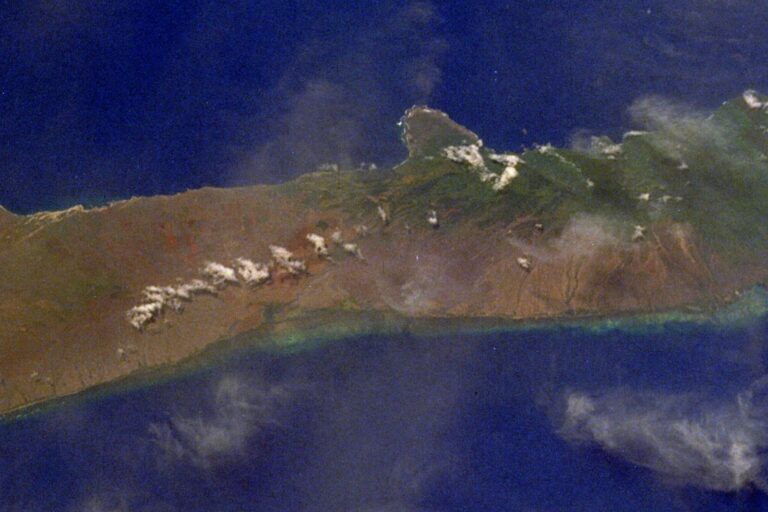
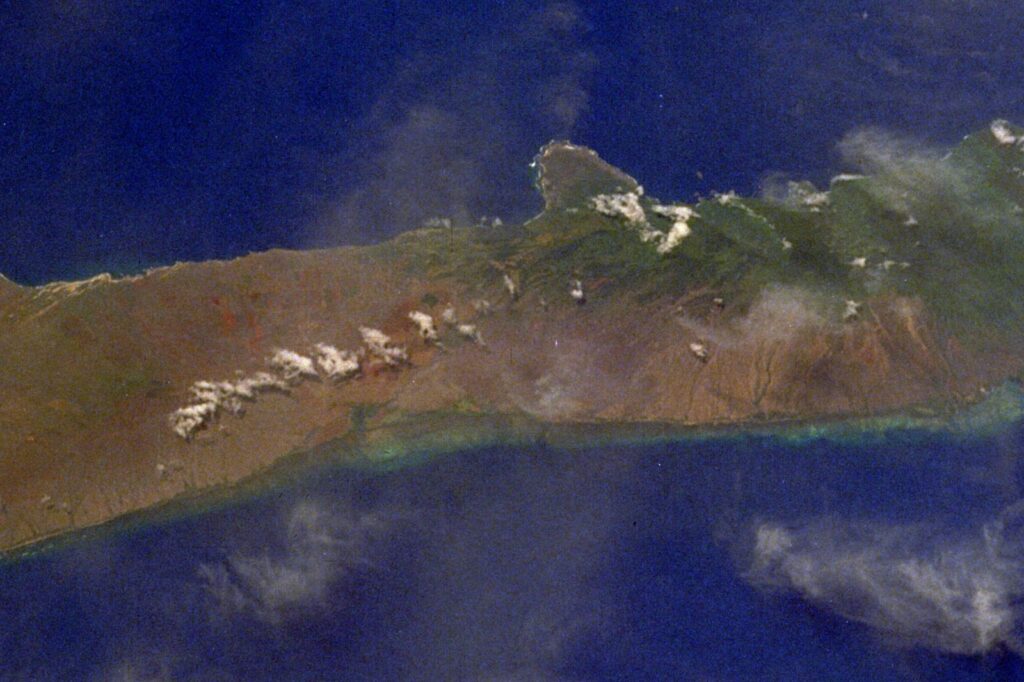
The physical location of the clinic is significant given the island’s geography. Molokai is the fifth most populated of the eight major islands in the Hawaiian archipelago, situated southeast of Oahu across the 25-mile-wide Ka’iwi Channel. The distance between Molokai and Oahu, where most specialized medical care is located, creates a logistical barrier for many residents. The shipping container clinic serves as a vital point of contact for animals that cannot be easily transported off-island for routine or emergency treatment.
Financing Care Through Music
The operational model of the MCVH relies heavily on fundraising events to cover the costs that a traditional veterinary practice would absorb through client fees. This Saturday’s concert features Grammy Award-winning slack-key guitarist Uncle George Kahumoku Jr., Grammy Award-winning musician Daniel Ho, and Molokai’s own Lono. The event is designed to be family-friendly, including a free keiki ukulele workshop, hula, crafts, raffle prizes, and food.
Secretary Letisha Kolb of the MCVH has noted that residents often struggle to afford the cost of flying pets to Oahu for emergency treatment. “Unless you have money, you can jump on a plane and quick fly over to an emergency room on Oahu,” Kolb said. “But I’m going to tell you, we don’t have that kind of money here.” The proceeds from the concert will pay for medical supplies, equipment, veterinary travel, and veterinary care for families in need. This direct funding mechanism allows the organization to bypass the high barriers to entry that typically prevent low-income residents from accessing professional animal care.
The choice of musicians is not merely for entertainment value. Kolb has stated that playing music is her way of expressing herself and blessing others, linking the cultural identity of the island to the practical work of animal welfare. By leveraging the popularity of well-known Hawaiian musicians, the MCVH taps into a broad audience that might not otherwise engage with veterinary fundraising. The event runs from 3:30 p.m. to 7:30 p.m., creating a specific window for community engagement and financial support.
Visiting Professionals and Inter-Island Collaboration
While the MCVH provides the physical space and community support, the actual veterinary care is delivered by visiting professionals. The hui describes itself as a charitable organization working to improve access to veterinary care by bringing traveling veterinarians to the island. This model is not unique to Molokai, as other groups in the region have adopted similar strategies to address the lack of local specialists.
Big Island Pet Care Center, for instance, sends its team to Molokai every month to work alongside the Molokai Community Veterinary Hui. According to the Big Island group, traveling to receive veterinary services is not always practical or possible for many island families. Their monthly visits allow for consistent care, though they face their own logistical challenges. The group has mentioned that it is still seeking reliable housing on Molokai to sustain these monthly trips, highlighting the ongoing difficulty of maintaining a consistent presence on an island with limited infrastructure.
These visiting teams mostly handle cats and dogs, as surgeries require additional resources and coordination and are offered less often. The limitation to non-surgical care for most visits means that complex medical issues may still require transport to larger islands. However, the regular presence of these traveling vets provides a level of continuity that is otherwise absent. The collaboration between the MCVH and groups like Big Island Pet Care Center demonstrates a networked approach to veterinary care, where local volunteers and off-island professionals work together to fill the gaps in the system.
The Logistical Hurdles of Remote Care
The financial and logistical hurdles of accessing off-island emergency care remain a central challenge for Molokai residents. The distance to Oahu, while manageable for human travel, becomes a significant barrier for animals in need of urgent treatment. The cost of flights, combined with the potential for prolonged absence from work, makes emergency care a luxury that many families cannot afford. The MCVH’s fundraising efforts directly address this disparity by subsidizing the costs of care and travel.
Molokai’s economy, driven primarily by cattle ranching, pineapple production, sugarcane production, and small-scale farming, does not always align with the financial capacity to support private veterinary practices. Tourism, which comprises a small fraction of the island’s economy, has seen infrastructure closures in the early 2000s when the primary landowner, Molokai Ranch, ceased operations. This economic context underscores the difficulty of attracting and retaining resident veterinarians, who may find the market too small to support a full-time practice.
The MCVH’s model offers a practical alternative, relying on the generosity of the community and the willingness of traveling vets to make the trip. By focusing on fundraising and collaboration, the organization has created a sustainable, if imperfect, system for animal care. The upcoming concert is a key component of this system, providing the resources needed to keep the shipping container clinic operational and the traveling vets coming. For residents of Molokai, this grassroots effort represents a lifeline for their pets, ensuring that even in the absence of local professionals, care is still available.
The scene on Molokai is one of resilience, where a community has taken it upon itself to solve a problem that larger systems have overlooked. The MCVH’s work highlights the importance of local initiatives in addressing gaps in essential services. As the island continues to navigate its economic and logistical challenges, the collaboration between volunteers, musicians, and traveling vets will remain central to the health and welfare of its animal residents.
Sources
- Molokai Vet Hui Hosts Fundraiser Concert Saturday
- Molokaʻi
- Molokai grassroots group to host fundraiser concert to support animal care
Photo: Earth Sciences and Image Analysis, NASA-Johnson Space Center (Public domain)