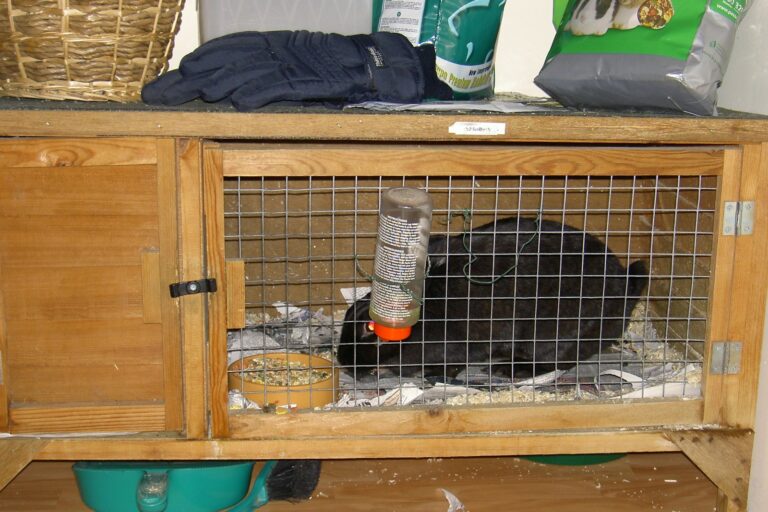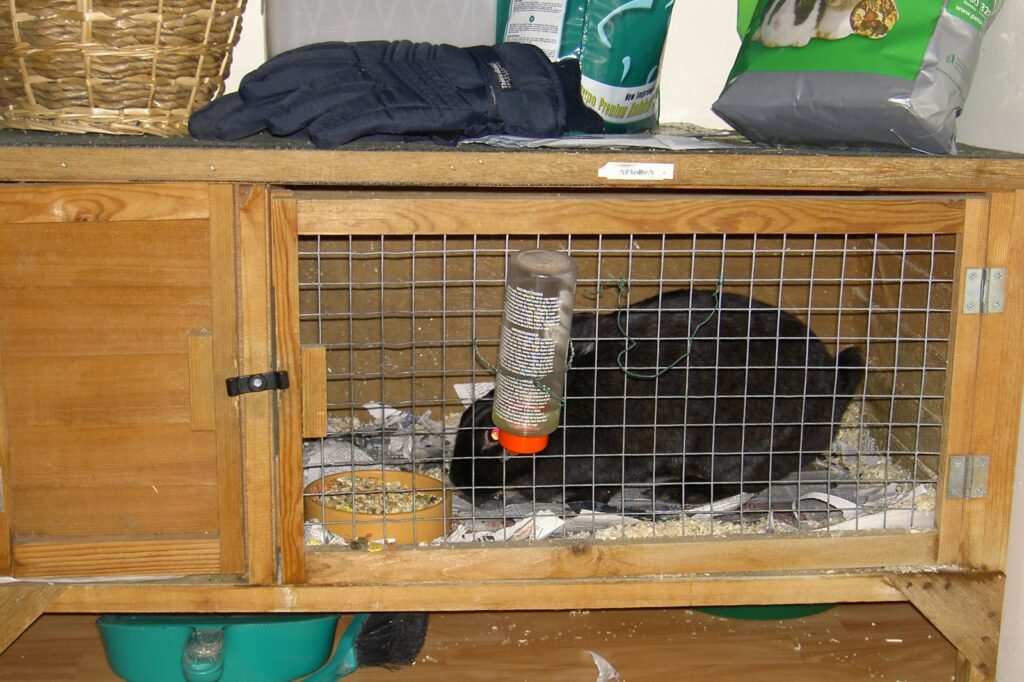
Proper hutch design, including space, flooring, and ventilation, is crucial for preventing stereotypic behaviors in domestic rabbits. According to PC Tech Magazine, selecting the right enclosure directly impacts a pet’s daily comfort, safety, and routine.
The Geopolitics of Rabbit Space Requirements
From a strategic standpoint, managing a pet’s territory requires understanding the calculus of physical confinement. According to PC Tech Magazine, rabbits need enough room to move naturally and comfortably. A good hutch should not feel like a cramped box where a rabbit can only sit in one position. Instead, the animal requires sufficient space to stretch, change direction, rest, and move between different areas.
The broader stakes of enclosure sizing depend on several operational factors. According to PC Tech Magazine, the required space varies based on how much additional exercise time is available and whether the hutch functions as a main living area or merely a resting space. Furthermore, a larger rabbit naturally requires more room, while two rabbits will usually need more space and separate areas than a single pet. When comparing hutches on the market, owners must consider the usable living area rather than simply looking at the overall size of the product.
Strategic layout planning also involves dividing the territory into functional zones. According to PC Tech Magazine, a well-designed hutch may include a sheltered section where the rabbit can rest and a more open area where it can observe its surroundings and move around. This separation helps create a more natural and comfortable daily environment. A private sleeping area is especially valuable because rabbits often appreciate having somewhere quiet to retreat away from excessive activity.
Securing the Perimeter and Environmental Controls
Beyond internal dimensions, the security and external positioning of the habitat dictate long-term stability. According to PC Tech Magazine, a rabbit hutch should provide a secure environment with a stable structure where doors, latches, and access points close properly. If the enclosure is used outdoors, the design must provide suitable protection from unwanted animals and environmental conditions. Owners should regularly inspect the hutch for signs of wear or damage, ensuring smooth surfaces without dangerous sharp edges and utilizing suitable protective mesh where required.
Environmental placement requires careful calculation to avoid external threats. According to PC Tech Magazine, the hutch should be positioned carefully to avoid extreme heat, heavy rain, strong winds, and direct exposure to harsh sunlight. Maintaining fresh air is another important consideration, as ventilation helps create a healthier environment for rabbits. These structural safeguards work alongside daily supervision, exercise, proper nutrition, and regular health care to ensure overall well-being.
Materials And Access Points For Optimal Rabbit Comfort
According to PC Tech Magazine, the materials used in a rabbit hutch can significantly impact the comfort and safety of the pet. A good hutch should be made from materials that are durable, easy to clean, and non-toxic to rabbits. Additionally, the access points of the hutch, such as doors and latches, should be designed with the rabbit’s safety and comfort in mind.
The design of the access points can also affect the overall usability of the hutch for both the rabbit and its owner. As noted by PC Tech Magazine, a well-designed hutch should have access points that are easy to open and close, allowing owners to easily clean and maintain the enclosure. Furthermore, the access points should be secure to prevent the rabbit from escaping or predators from entering the hutch.
PC Tech Magazine also emphasizes the importance of smooth surfaces and suitable protective mesh in a rabbit hutch. Smooth surfaces can help prevent injuries to the rabbit, while protective mesh can help keep predators out and prevent the rabbit from escaping. By considering these factors, owners can create a safe and comfortable living space for their pet rabbits.
Design Features That Reduce Stress and Stereotypic Behaviors
According to PC Tech Magazine, providing distinct zones within the hutch helps keep a rabbit mentally balanced. A sheltered compartment gives the animal a place to rest, while an adjacent open area lets it scan the surroundings and move freely, mirroring the “different areas for different activities” that many rabbits naturally seek.
The publication also stresses the value of a private sleeping spot that is quiet and set apart from high‑traffic zones. This “quiet area away from excessive activity” acts as a retreat where the bunny can escape stimulation that might otherwise trigger repetitive pacing or chewing.
Stress‑free environments are further supported by smooth interior surfaces and the use of protective mesh. Eliminating sharp edges removes sources of injury that could cause anxiety, and appropriately placed mesh offers safety without restricting the rabbit’s ability to explore, thereby reducing the urge to develop stereotypic habits.
Finally, fresh air and proper ventilation are highlighted as essential for a healthier atmosphere. By ensuring continuous airflow, the hutch maintains good air quality, which helps prevent the discomfort that can lead to stress‑related behaviors.
Ventilation and Flooring as Critical Components
According to PC Tech Magazine, fresh air is another important consideration for a rabbit’s living environment. The publication states that ventilation helps create a healthier environment, making it a key factor alongside space and security when evaluating a hutch.
The source also identifies flooring quality as a specific safety requirement. According to PC Tech Magazine, owners should regularly inspect the hutch for signs of wear or damage, specifically checking for smooth surfaces without dangerous sharp edges. This attention to floor condition helps prevent injuries that could compromise the rabbit’s comfort and safety.
Sources
- A Better Home for Your Bunny: The Rabbit Hutch Features That Make All the Difference – PC Tech Magazine
- List of Wallace & Gromit characters
- A Better Home for Your Bunny: The Rabbit Hutch Features That Make All the Difference – PC Tech Magazine
Photo: Wikimedia Commons (CC BY-SA 2.5)