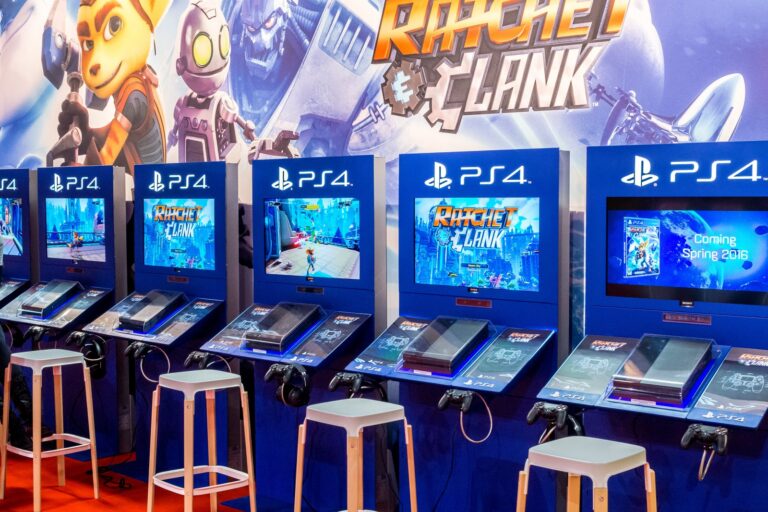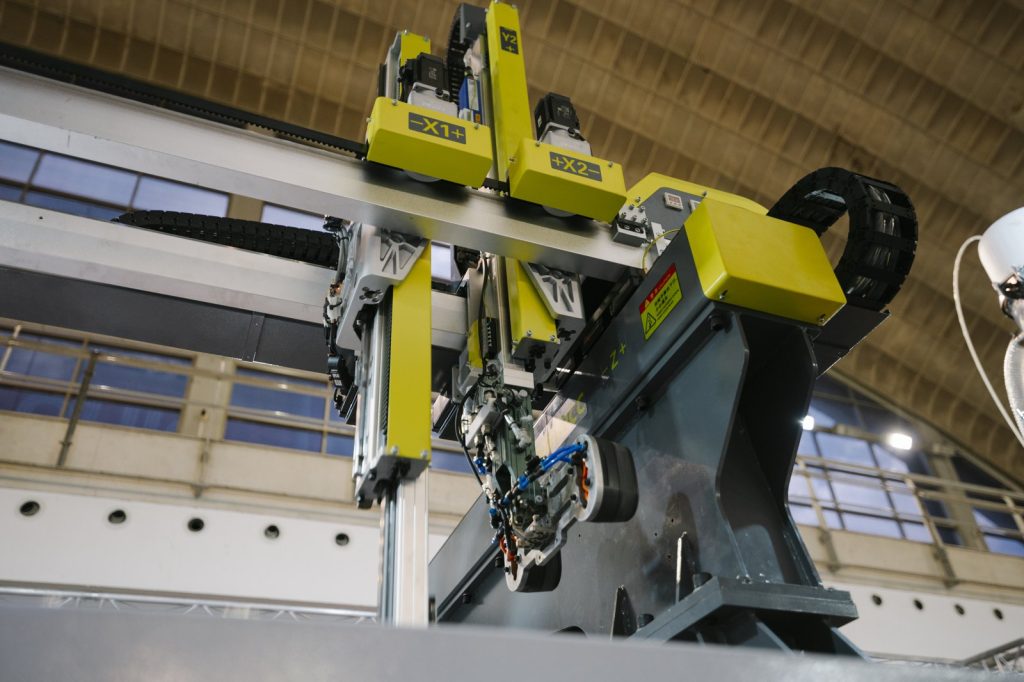
More than 400 technology brands are showing products at the West Bund International Tech Consumer Carnival 2026 in Shanghai, which opened on October 22 and runs to October 25. ECNS reported that the show centers on AI-based consumer products for healthcare, childcare and other sectors.
Prediction in the nursery and the clinic
Chen Hongyuan, co-founder and chief financial officer of E3A Healthcare, said his team has built an AI model for a smart fetal monitor, designed to predict the onset of labor. The company is also developing a device to relieve menstrual pain, using neuromodulation, meaning methods of changing neural activity, together with AI-based adaptive algorithms. Both products point the same way: hardware that forecasts events rather than just reporting them.
Mamibao, a company from Ningbo, brought a smart baby crib. Its camera watches the infant in real time and alerts caregivers if the child’s nose or mouth is obstructed, which may indicate a risk of suffocation. Company representative Nie Ning said Mamibao used to manufacture for well-known foreign brands and has spent recent years building its own brand and more technologically advanced products. The crib already sells in mainland China and Dubai.
At the SenseTime booth, employee Lu Jishuang described an AI agent that is evolving from a communication tool into a productivity tool, with use spreading in healthcare and education.
What the sales figures show
Official data show retail sales of smart wearable devices in China rose by more than 70% year on year from January through September 2026. Sales at unmanned stores grew by more than 25%.
From black goods to body sensors
The category has come a long way. American English once called consumer electronics “black goods”, because many products sat in black or dark casings, while British sellers spoke of “brown goods” for their wooden cases. Both terms set them apart from “white goods” such as washing machines and refrigerators. Radio broadcasting in the early 20th century produced the first major consumer product, the broadcast receiver, and telephones, televisions, calculators, cameras, consoles, mobile phones, personal computers and MP3 players followed. Since the 2010s the sector has merged with the computer and video game industry, and big-box stores stock smart light fixtures, network devices, camcorders, smartphones, virtual reality goggles and wearables alongside home appliances.
The Atari 2600 shows how such shifts start. It was built on a commodity microprocessor, played games from read-only-memory cartridges and plugged into the television already in nearly every household. General-purpose hardware plus separate software has lasted more than 40 years as a design principle.
Sources
- Tech carnival with over 400 brands opens in Shanghai — ECNS
- Consumer electronics
- The Consumer Electronics Hall of Fame: Atari 2600
Photo: Shixart1985 (CC BY 2.0)