
The Carteret County Humane Society in North Carolina is cutting dog adoption fees to $50 and asking the public to clear its kennels, after animal control called with more dogs in urgent need of care and the shelter had no room to take them. The shelter partnered with the BISSELL Pet Foundation for an Emergency Empty the Shelters adoption event and held a weekend push to place the dozens of dogs already in its care.
What the Shelter Is Offering
The reduced fee is the headline number, but the mechanics matter more. The humane society wrote on Facebook that animal control had contacted it about dogs that “desperately need our care,” and that the shelter was already full. “We want to help them, and we are calling on you, our community, to help us make room,” the post said.
The shelter framed each adoption as a two-for-one in capacity terms. “When you adopt, you not only welcome an amazing family member—you open a space for another dog who urgently needs our care,” it wrote. That is the arithmetic of an overcrowded shelter: a kennel vacated is a kennel available, and the next dog on animal control’s list gets a door to walk through.
The Dogs Waiting
The shelter used its weekend event to introduce individual animals rather than statistics. Lacy, it said, loves playing in the water and spending time with other dogs. Calvin is hoping to find a family of his own. The organization also introduced Peeta and invited visitors to meet her 45 fellow dogs at the shelter.
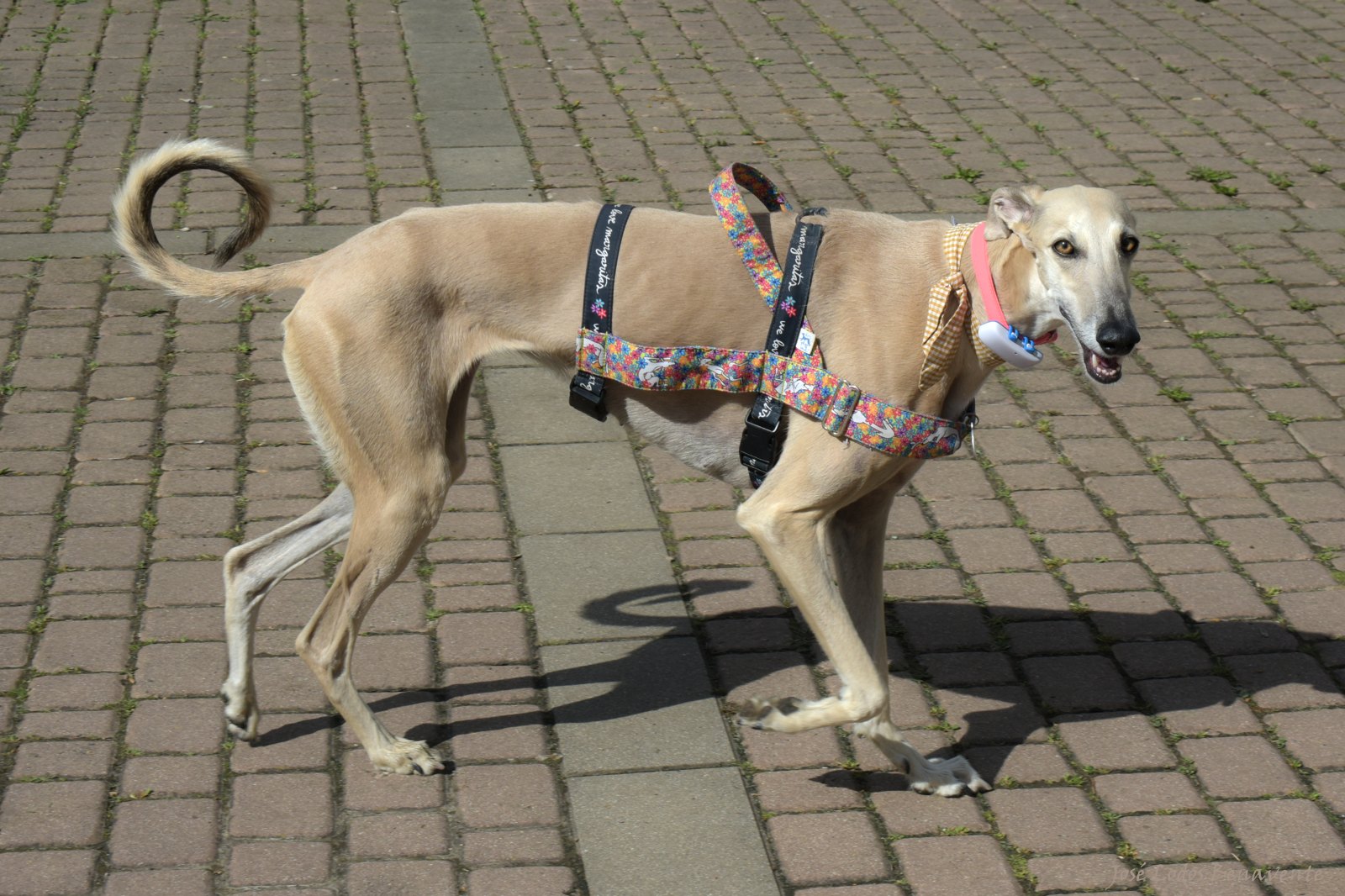
Shortly before announcing the overcrowding, the humane society posted a message addressed directly to the animals still waiting, promising that staff, volunteers and supporters were doing everything they could to find them homes. “Your person is out there. They just haven’t met you yet. And we promise, we are trying our very hardest to help you find them,” the post began. It closed with a plainer promise: “You are safe with us. You are loved. You matter.”
Help That Does Not Require a Kennel
Adoption is the fastest route to freeing space, but it is not the only one the shelter is pushing. The humane society asked community members to volunteer if they have a few extra hours, and noted that people who cannot take in a pet can still help by donating or sharing information about the dogs available. “There are countless lives waiting for someone to be in their corner,” the shelter wrote. “Someone to show up, lend a hand, offer comfort, and remind them they aren’t forgotten.”
The request reflects how the shelter system actually moves animals. Under standard industry practice, animal control picks up stray, lost or abandoned pets and transports them to the local shelter, where uncomplicated strays are held for a set period known as a stray hold. After that hold, the animal is considered forfeited by its owner and can be made available for adoption. Shelters also take in owner surrenders, and an open-admission shelter accepts animals regardless of the reason they arrive. Every dog that enters through either route needs a kennel, which is why a full shelter cannot simply absorb a call from animal control.
A Regional Squeeze, Not a Local One
Carteret County is not alone in this. The Fort Wayne Animal Care and Control in Indiana reported 161 cats in its care, another 166 in foster homes and 50 dogs as of early November, and joined a statewide “Adopt a Hoosier Shelter Pet Month” push with fees waived for small animals, cats and senior dogs and set at $50 for dogs between six months and six years old. The Waverly Animal Shelter in Tennessee, operated with the Humphreys County Humane Society, declared itself over capacity in late October, writing that “our dogs are beginning to suffer because we simply don’t have enough space.”
The pattern has a structural driver. Fort Wayne’s shelter said animals across the country are waiting three times longer to find a permanent home than they used to, which means each kennel turns over more slowly and the buffer for incoming strays shrinks. San Francisco is approaching the same problem from the supply side: Mayor Daniel Lurie introduced legislation in late October requiring a $200 city permit to breed any dog, with fines up to $1,000 and seizure and sterilization of the animal for breeding without one. The city’s shelter houses 67 kennels but can usually care for about 60 dogs with current staffing, and employees have been taking dogs home to free up space.
Why the Fee Cut Is the Blunt Instrument
Waiving or slashing adoption fees is the standard emergency lever because it works on the shortest timeline. It does not add kennels, staff or funding. It changes the calculus for a household that has been considering a dog but has not committed, and it does so in a single weekend. The trade-off is that a discounted adoption can attract households less prepared for the cost of ownership, which is why shelters pair fee events with application screening. Fort Wayne’s director, Amy-Jo Sites, described that process plainly: “We’re going to try to find out what type of home you have, what are you looking for, what are you willing to put into an adoption. Because not every dog knows exactly what to do when they come into your home.”
For readers weighing whether to act, the practical answer to what urgent care looks like is unglamorous. It is a kennel freed by adoption, a household willing to foster, a volunteer hour, or a donation, and it is measured in dogs moved rather than dollars raised. The Carteret County Humane Society’s event put 46 dogs in front of the public, Lacy and Calvin and Peeta among them, and its message to the community was that the space has to come from outside the building.
Sources
- ‘Full’ Animal Shelter Makes Urgent Plea to Community as Dogs That ‘Desperately Need’ Care Are Without a Place to Go
- Animal shelter
- San Francisco Targets Dog Breeding to Ease Shelter Overcrowding
- Midstate humane society says animals are starting to ‘suffer’ as shelter navigates ‘crisis’
- ‘Full’ Animal Shelter Makes Urgent Plea to Community as Dogs That ‘Desperately Need’ Care Are Without a Place to Go
- ‘We need some help’: Fort Wayne animal shelter faces severe kennel crowding
Photo: Lance Cpl. Cayce Nevers (Public domain)