Scrolling through a pet owner’s feed for just a few minutes reveals a parade of claims: the dog food that “experts won’t tell you about,” the supplement that “saved my cat’s kidneys,” or the warning that the next round of vaccines is a scam. Such advice is everywhere, yet much of it is wrong. Dr. Dana Varble, Chief Veterinary Officer for the North American Veterinary Community, sees the consequences up close. She knows pet owners love their animals and want to do right by them. She also knows that love, filtered through the wrong sources, can lead to choices that put pets in danger.
The Algorithm’s Blind Spot
Social media platforms are designed to keep users engaged, not to provide balanced medical guidance. Algorithms prioritize content that confirms a user’s existing beliefs, meaning a pet owner already skeptical of conventional medicine will see more content reinforcing that view. Posts that travel farthest are rarely the ones with calm, balanced information; they are the ones with inflammatory claims. Online advice frequently focuses on negative and alarming statements rather than successful, proven medical treatments. A pet owner could inadvertently follow bad advice that harms their pet.
The specific danger of this dynamic is that a video from a stranger cannot examine a pet, review medical history, or track health changes over time. Veterinary professionals can. Unlike a content creator, a veterinarian builds a clinical picture of an animal through physical examinations and longitudinal care. This gap between algorithm-driven opinion and clinical reality is where risk enters the home.
The Anti-Vaccination Threat
When asked which viral trend worries her most, Dr. Varble did not hesitate. Her biggest concern is the anti-vaccination information and the voices amplifying those messages. Vaccine skepticism has spilled over from human medicine into pet care, and the stakes are high. Rabies is considered a 100% fatal disease in both pets and humans, making widespread vaccination a critical public health measure. The most important public health measure to protect people, especially children, from rabies is widespread vaccination of companion animals. In other words, a pet’s rabies shot does not just protect the pet; it protects the family, the neighbors, and the children playing next door.
Dr. Varble’s warning extends beyond rabies. The anti-vaccination movement in companion animals undermines decades of progress in preventing infectious disease. Without professional oversight, pets remain vulnerable to illnesses that are preventable and, in some cases, transmissible to humans. The clinical expertise of a veterinary team is the only safeguard against these preventable tragedies.
Building a Reliable Partnership
Dr. Varble’s solution is straightforward: build a relationship with a veterinary team early in a pet’s life. These individuals get to know the pet and the owner and can provide trusted, expert advice tailored to that animal’s specific needs. Having a trusted veterinary team early matters because these professionals can notice small changes in a pet’s health that an online post would never catch. Professional veterinary care is led by veterinarians, often supported by veterinary nurses, technicians, and assistants. This team approach ensures that a pet receives consistent, evidence-based guidance from the first vaccinations through senior care.
Pet owners are encouraged to question viral trends and seek professional verification before changing their pet’s diet or medical routine. A relationship with a veterinary team provides a steady counterpoint to the noise of the internet, ensuring that decisions are based on the pet’s actual health status rather than engagement-driven content.
Professional Examinations Over Remote Advice
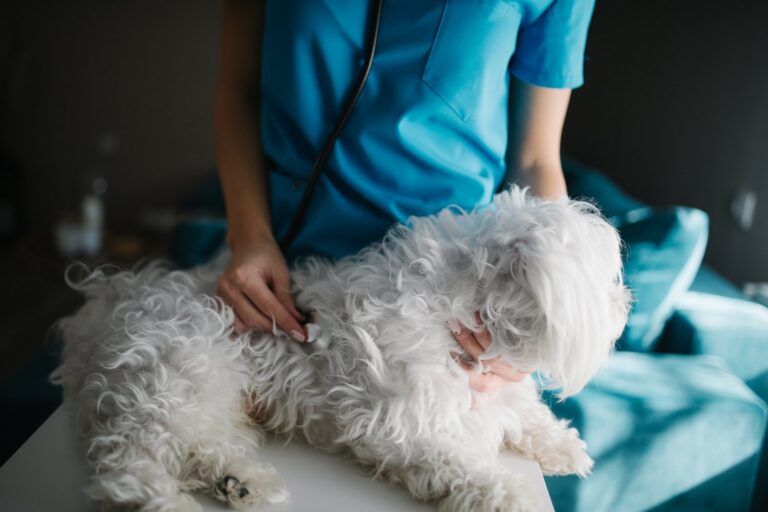
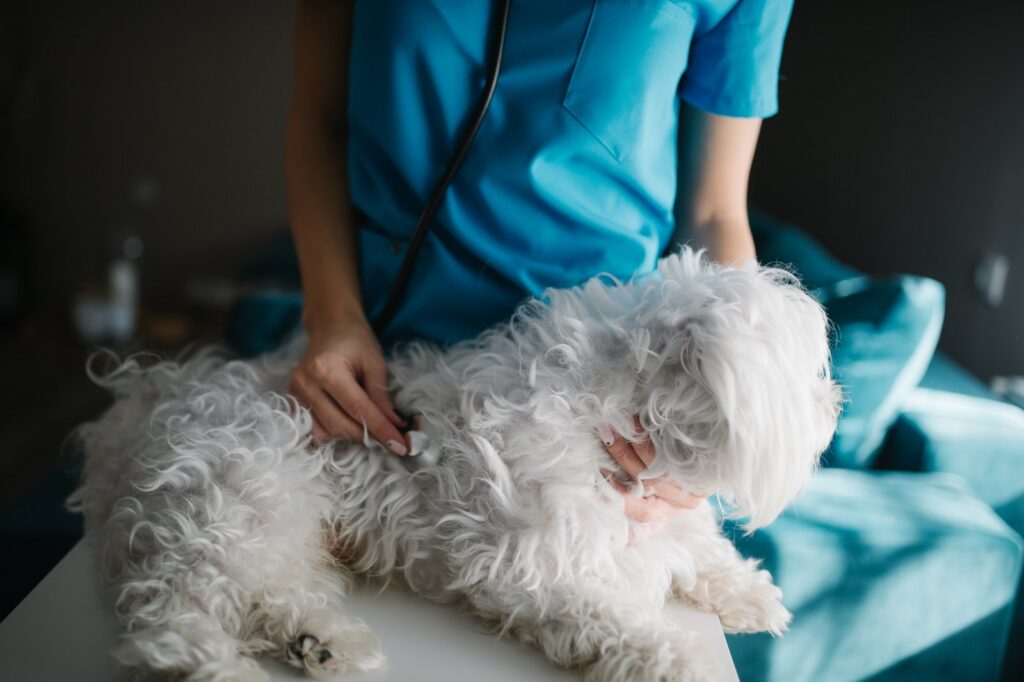
Unlike a veterinary professional, online content creators cannot examine a pet, review medical history, or track health changes over time. A physical examination by a licensed veterinarian remains the gold standard for diagnosing and treating animal illness. Veterinary medicine encompasses the prevention, management, and treatment of disease in both domesticated and wild animals. Professional veterinary science plays a vital role in human health by monitoring zoonotic diseases and ensuring food safety. These functions depend on the clinical interaction between a pet and a trained professional, not on a social media feed.
Building a relationship with a veterinary team early in a pet’s life is the most effective way to ensure reliable, expert guidance. When owners prioritize that professional partnership, they protect their pets—and their families—from the dangers of misinformation.
The Role of Veterinary Technicians and Nurses
While much attention is given to the veterinarian’s diagnosis, the day-to-day management of a pet’s health often relies on the specialized training of veterinary technicians and nurses. According to the Bureau of Labor Statistics and professional veterinary boards, these professionals perform critical clinical tasks including laboratory testing, administering medications, and monitoring anesthesia during procedures. They serve as the primary point of contact for many pet owners, offering guidance on nutrition, behavior, and post-operative care under the supervision of a licensed veterinarian. Their role bridges the gap between the owner and the doctor, ensuring that evidence-based recommendations are communicated clearly and followed consistently.
Veterinary technicians must complete accredited associate or bachelor’s degree programs and pass a national examination to practice, distinguishing them from unqualified sources found online. This formal education allows them to recognize warning signs of illness that an untrained observer might miss, providing an additional layer of safety for the pet. As Dr. Varble emphasizes, the professional team approach—encompassing veterinarians, technicians, and support staff—is essential for delivering consistent, high-quality care throughout an animal’s life, from puppyhood and kittenhood through the senior years.
Sources
- The Online Pet Advice Vets Want You to Question
- Veterinary medicine
- WSU alum named director of Montana Veterinary Medicine Program
Photo: Nenad Stojkovic (CC BY 2.0)