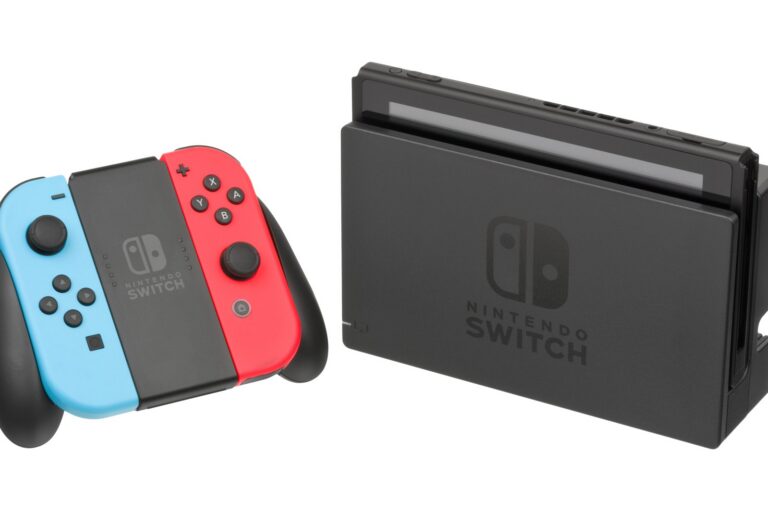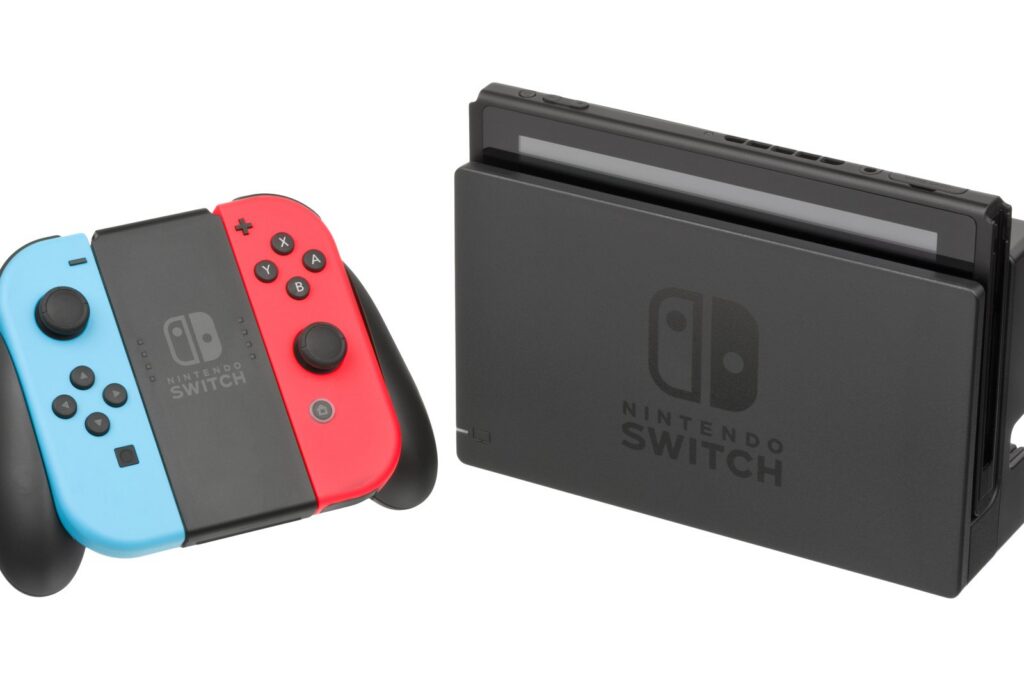
Nintendo’s full remake of The Legend of Zelda: Ocarina of Time launches Thursday on the Switch 2, bringing the 1998 Nintendo 64 classic to contemporary hardware through a development effort led by the company’s internal Entertainment Planning & Development Production Group No. 3.
From Nintendo 64 Innovation to Switch 2 Remake
The original Ocarina of Time was developed by Nintendo’s Entertainment Analysis & Development division and released in November 1998. It introduced the target-lock system known as Z-targeting and context-sensitive buttons that became standards for 3D action-adventure games, according to the game’s historical record. The title sold more than seven million copies worldwide and has been rereleased on every subsequent Nintendo home console.
The Switch 2 remake marks the second full remake after the 2011 Nintendo 3DS version, which was handled by external studio Grezzo. This time, Nintendo assigned the project to its core Zelda team — the same group behind Breath of the Wild and Tears of the Kingdom — as confirmed in the company’s Ask the Developer interview series published November 2. Director HokWai Ng, art director Aya Shida, program director Hiroki Taguchi, and sound director Masato Ohashi all previously worked on recent Zelda titles.
Camera and Control Overhaul
The most immediate change replaces the original’s thoughtfully composed fixed camera angles with a modern over-the-shoulder perspective, a shift reviewers note aligns the game with current third-person action conventions. The original Z-targeting system, which locked the camera to enemies, has been supplemented with dedicated jump and sprint buttons that make traversal feel more natural, according to NPR’s review published November 4.
A quick-access item menu — first introduced in 2023’s Tears of the Kingdom and carried into 2024’s Echoes of Wisdom — replaces the frequent pausing required in the N64 version. Reviewers observe the system still lacks a fully customizable wheel but allows mid-combat strategy changes such as combining Nayru’s Love with Bombchus.
Visuals, Audio, and Environmental Detail
The remake is not a one-to-one recreation nor a complete reimagining, but what IGN describes as a modern interpretation that adds depth through a rich art style and expanded dialogue. Link’s animations now include breathing and finger movement while playing the ocarina, grass cuts blend naturally, and Bombchus are rendered as wind-up toys. The game maintains a solid 60 frames per second docked or handheld.
Koji Kondo’s original soundtrack has been re-recorded by a small ensemble of musicians. Environmental details carry practical weight: Link watches his step on stairs, covers his face in tall grass, and shows overheating animations in volcanic areas pulled from Breath of the Wild.
Structural Fixes and Quality-of-Life Additions
A long-standing fan grievance has been addressed: in the original N64 version, Zora’s Domain remained frozen even after the Water Temple curse was lifted. The remake restores the area to its true state upon completion, according to footage from early copies circulating ahead of launch. The notoriously frustrating Water Temple has been made more tolerable, and a new “Threads of Time” quest log provides directional hints without solving puzzles outright.
Reviewers spent approximately 30 hours exploring the realized Hyrule, uncovering secrets, side quests, and Gold Skulltulas. The linear dungeon-and-overworld structure offers a different satisfaction than modern open-world Zelda titles, with the time-travel mechanic — swapping between child and adult Link across a radically changed world — remaining structurally distinctive.
Market Position and Release
The remake releases November 5, 2026, as a Switch 2 exclusive. Analysts note the assignment of Nintendo’s primary Zelda development group to a remake rather than a new installment signals the company’s confidence in its support studio pipeline, with Grezzo and Monolith Soft potentially freed for other projects including a possible Echoes of Wisdom follow-up and Xenoblade Genesis slated for 2027.
Sources
- The Legend of Zelda: Ocarina of Time
- Review: The Legend of Zelda: Ocarina of Time remake is superb, streamlined and safe
- Ask the Developer Vol. 24: The Legend of Zelda: Ocarina of Time — Part 2 – News – Nintendo Official Site
- The Legend of Zelda: Ocarina of Time's Remake Is Both a Beautiful Retelling of a Legend and a Rich Adventure That Stands on Its Own – Review
- The Legend of Zelda: Ocarina of Time Remake Studio Officially Revealed
- Zelda: Ocarina of Time remake leak shows big fan-requested change to the original
Photo: Evan-Amos (Public domain)