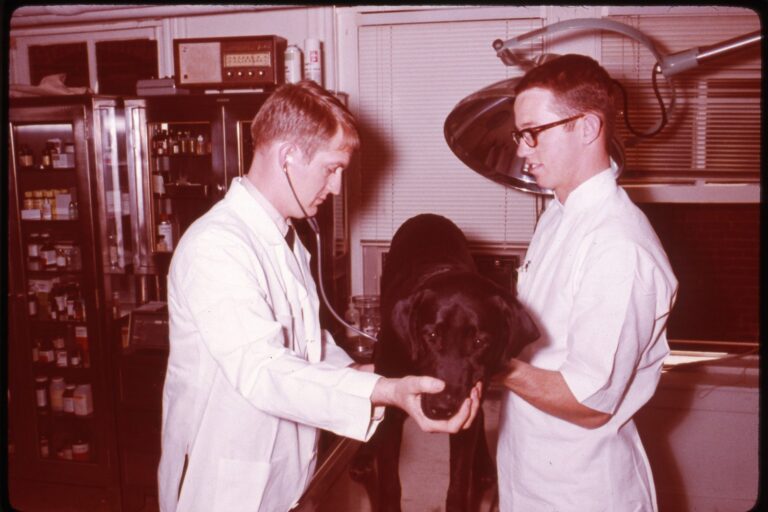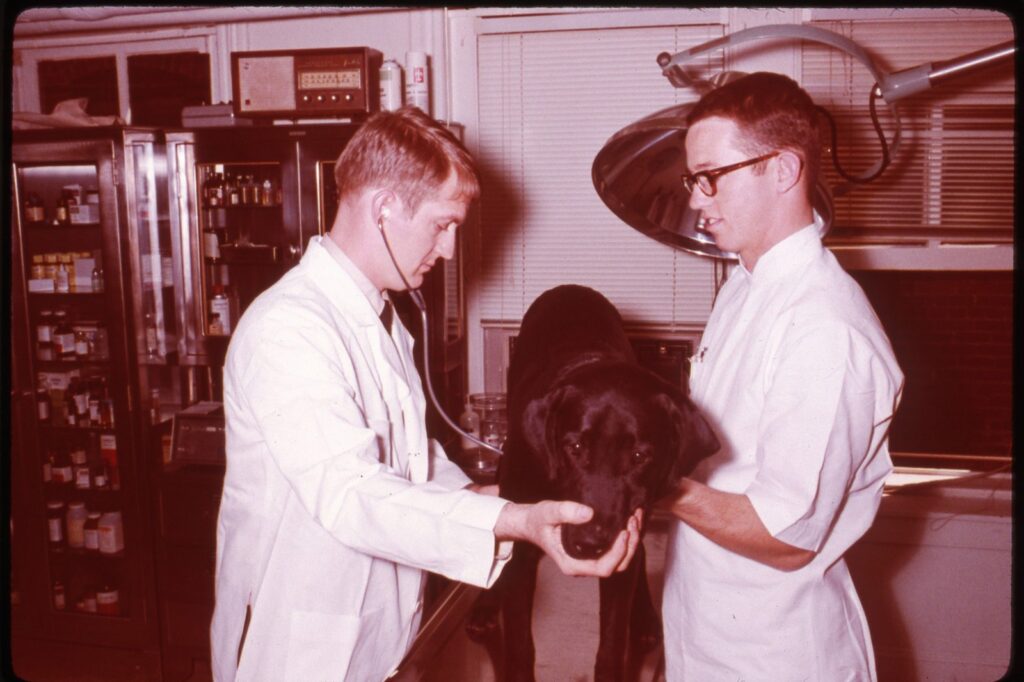
Veterinarians are warning pet owners that the arrival of winter brings a spike in exposure to antifreeze, a common seasonal chemical that poses one of the most acute toxicological threats to dogs and cats. Dr. Jo Myers, DVM, a veterinarian at Vetster, identifies antifreeze as one of the most dangerous substances pets can encounter, largely because it contains ethylene glycol, an agent capable of causing severe and fatal kidney damage in minute quantities.
The Chemical Profile
Ethylene glycol is an organic compound with the formula (CH2OH)2, classified as the simplest vicinal diol. In its pure state, it presents as an odorless, colorless, flammable, and viscous liquid. Its defining hazardous characteristic for animals is a sweet taste that masks its toxicity, inviting ingestion despite the lethal risk.
Industrially, the compound is produced from ethylene via ethylene oxide and serves dual roles as a raw material for polyester fibers and the primary ingredient in antifreeze formulations. Its presence in heating, cooling, and industrial systems makes it ubiquitous in residential environments during cold snaps, often stored in garages, driveways, and basements where spills or leaks create accessible hazards.
Mechanism of Toxicity
The danger is asymmetrical: cats are particularly sensitive to the compound, but dogs face significant risk from even a small spill on a garage floor or driveway. Once ingested, ethylene glycol metabolizes into compounds that crystallize in the kidneys, triggering rapid renal failure. Dr. Cory Romans, DVM, medical director at VEG ER for Pets in Madison, Wisconsin, notes that kidney failure can develop 12 to 24 hours after ingestion in cats and within 36 to 72 hours in dogs.
Early clinical signs include vomiting, ataxia presenting as a “drunk” appearance, unusual lethargy, and increased thirst and urination. A critical complication in diagnosis is the transient nature of symptoms; Dr. Romans emphasizes that a pet may appear to improve temporarily while irreversible kidney damage progresses silently. Kidney damage often develops before outward signs manifest, rendering a “wait and see” approach fatal.
The Calculus of Treatment
The strategic variable in survival is time. Treatment protocols are highly effective if initiated immediately, but the therapeutic window is narrow. With every passing second post-ingestion, the probability of recovery drops significantly. This timeline dictates that any suspected exposure—regardless of whether the animal is currently symptomatic—requires emergency veterinary intervention.
Winter Safety Measures
Risk mitigation relies on rigorous containment and environmental awareness. Antifreeze containers must be sealed and stored in genuinely inaccessible locations, not merely placed on high shelves. Spills on driveways or garage floors must be cleaned immediately and thoroughly, as the sweet taste attracts animals to even residual films.
Owners should recognize that “pet-safe” labels on ice melts and de-icing salts do not guarantee safety; these products can irritate paw pads and cause gastrointestinal distress or electrolyte abnormalities if ingested during grooming. Wiping paws after outdoor excursions reduces secondary ingestion risk. The broader stakes are clear: in a season defined by chemical reliance for human convenience, the margin for error with ethylene glycol is effectively zero.
Sources
- Vets Share What Pet Parents Need to Know About Antifreeze and Winter Chemicals – AOL
- Ethylene glycol
- Determination of Ethylene Glycol and Propylene Glycol in New and In-Service Engine Oil | LCGC International
- Engineered Lavender Biochar Enables Sensitive Room-Temperature Ethylene
Photo: National Museum of Health and Medicine (CC BY 2.0)