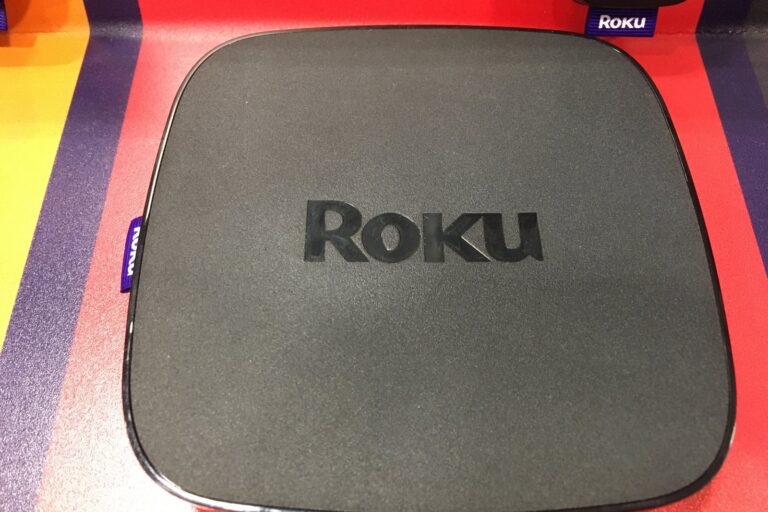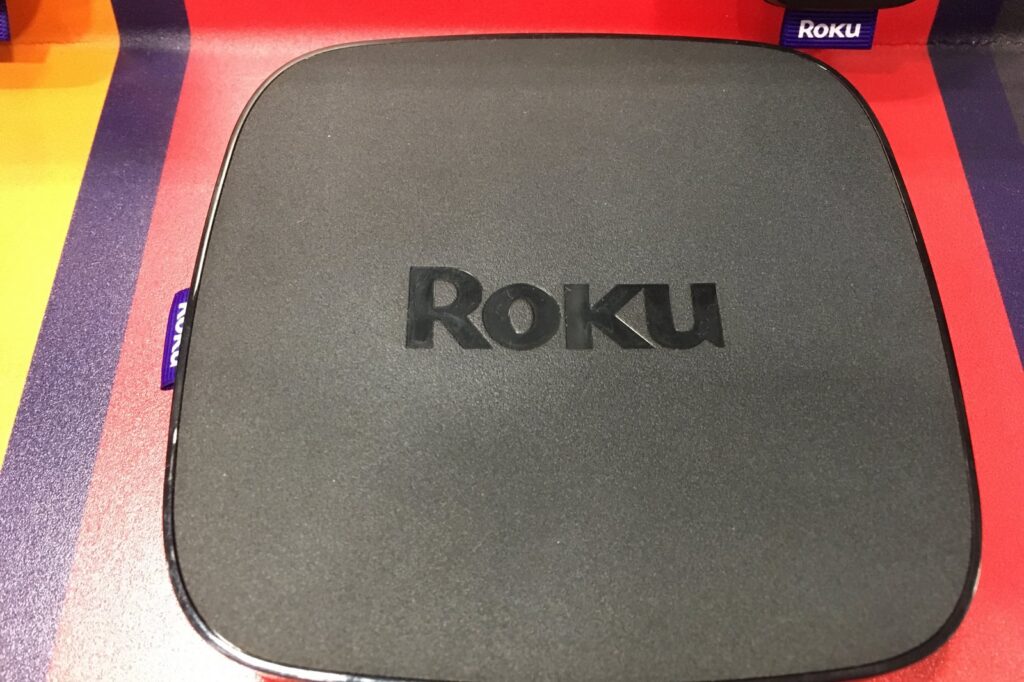
Fox Corp. closed its $22 billion acquisition of Roku on November 6, well ahead of the first-half 2027 timeline originally flagged to investors. The deal hands Fox a connected-TV platform that reaches more than 100 million households, primarily in the U.S., and folds it into a new Fox Digital Platforms division alongside Tubi, Fox One, and Red Seat Ventures.
The Leadership Shuffle
Roku founder Anthony Wood joins Fox’s board and becomes Co-Chair of the new digital division. Paul Cheesbrough, previously in charge of the Tubi Media Group, takes the other Co-Chair title and the CEO role for the division. Mustafa Ozgen, formerly Roku’s president of devices, products, and technology, steps up as Roku’s new CEO. The transition clears out several senior figures: Roku Media president Charlie Collier, Roku EVP of AdRise Robyn Peterson, and Tubi CEO Anjali Sud are all departing, with Sud leaving for a role outside the company.
DOJ Conditions: The Technical Reality
The Justice Department signed off after extracting four commitments, three of which directly shape the user experience. Roku must carry non-Fox content for at least three years. Fox may not discriminate against rival content in search results, and users must retain the ability to rearrange home-screen apps. Roku also agreed to keep Fox walled off from competitors’ sensitive data—clickstreams, viewing habits inside rival apps—for at least three years, and to continue offering its data products to third parties.
The first condition is, as ever, largely performative. Roku’s revenue model depends on aggregating everyone else’s apps; dropping them would be commercial suicide. The detail that matters is the search and home-screen language. It prevents the most blatant self-preferencing but leaves ample room for Fox to pre-install its own apps and surface its own content in the promotional rows Roku controls. Wood himself told investors in June that Roku would “obviously include Fox properties” in those spaces.
Hardware Roadmap and Platform Strategy
Under Ozgen, the device roadmap stays in the hands of the engineer who ran it previously. The memo from Cheesbrough and Wood lists five priorities: grow platform share and engagement through affordability and partnerships; lead in free ad-supported streaming; lead in premium subscription bundling; expand the portfolio globally; and unlock the combined ad stack. That suggests the hardware strategy—low-cost streaming players and reference designs for TV OEMs—continues unchanged, but with Fox’s content library and sales channels now available to bundle at the point of sale.
Tubi and The Roku Channel will remain separate services for now, according to Lachlan Murdoch’s June guidance. Tubi moves under Pete Distad’s direct-to-consumer group, while The Roku Channel stays inside the platform business Ozgen runs. The separation preserves each service’s existing ad inventory and partner relationships, but the shared ownership creates an obvious path to unified inventory forecasting and cross-platform frequency capping down the line.
What Changes for the Viewer
In the near term, expect more Fox-branded tiles on the home screen out of the box and a heavier Fox presence in search autocomplete. The DOJ settlement guarantees you can still move those tiles to the bottom row and that a search for “Succession” won’t bury the HBO Max result. What it doesn’t guarantee is neutrality in the algorithmic recommendations that drive the majority of viewing hours. Roku hasn’t been a neutral party for years; the technical reality is that its recommendation engine optimizes for engagement and revenue per user. Fox now owns both the engine and a massive supply of premium inventory to feed it.
The Numbers Behind the Bet
Fox projects $400 million in annualized cost synergies within two years and expects the deal to be accretive to free cash flow per share by 2028. Former Roku shareholders hold roughly 26 percent of the combined entity; Fox shareholders hold the rest. The acquisition price values Roku at $95.30 in cash plus 0.9799 Fox Class A shares per share. With the DOJ investigation closed and international regulators already cleared, the only remaining variable is execution—specifically, whether the combined ad stack can deliver the yield uplift the model assumes.
Sources
- Fox owns Roku now: Here's what to expect
- Roku
- Fox Corp. Closes $22 Billion Acquisition Of Roku
- Fox finalizes Roku deal ahead of schedule and shakes up leadership. Read the staff memo.
- Fox Closes $22 Billion Roku Takeover, Says Streaming Platform Will Remain ‘Open Ecosystem’
- Fox bought Roku
Photo: FASTILY (CC BY-SA 4.0)