
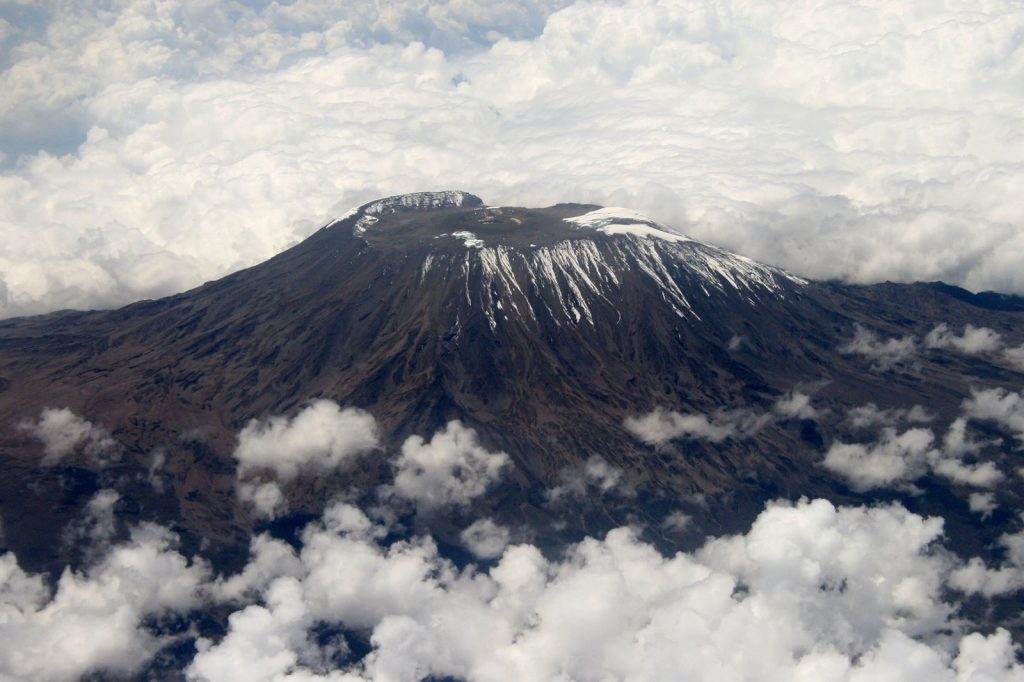
A rescue helicopter operating on Tanzania’s Mount Kilimanjaro crashed on the mountain’s slopes on Christmas Eve, killing all five crew members aboard. The aircraft is believed to have been responding to a call for assistance from climbers in distress, underscoring the perilous nature of rescue work in the region’s remote, high‑altitude environment. The tragedy has cast a sombre tone over the holiday celebrations and has reignited discussion about the safety of emergency operations in rugged, inaccessible terrain.
Mount Kilimanjaro, Africa’s tallest peak, draws thousands of trekkers and climbers each year. Its combination of extreme weather, steep gradients and thin air poses a serious challenge even for seasoned mountaineers, and the same factors complicate rescue missions.
Rescue teams on Kilimanjaro routinely contend with rapidly changing weather, limited ground access and a scarcity of permanent infrastructure. These conditions make every sortie a high‑risk undertaking that demands meticulous planning, precise execution and strict adherence to safety protocols. The recent crash serves as a stark reminder of those hazards. Beyond the immediate loss of life, the incident has highlighted the broader importance of preserving the mountain’s fragile ecosystem.
Kilimanjaro is designated a UNESCO World Heritage Site, valued for its cultural, spiritual and biodiversity significance. Tanzanian authorities have long pursued policies aimed at protecting the environment, promoting sustainable tourism and supporting surrounding communities.
However, the growing popularity of the mountain places increasing pressure on these conservation efforts. Officials stress the need for responsible tourism practices that safeguard natural resources while allowing visitors to experience the iconic landscape. In parallel with environmental concerns, Tanzania is advancing an energy agenda focused on renewable sources such as solar, wind and hydroelectric power.
Transitioning to cleaner energy is intended to lower reliance on fossil fuels, reduce costs and foster sustainable development. Within the context of Kilimanjaro, renewable electricity can power lodges, camps and other tourist facilities, helping to minimise the ecological footprint of climbing activities.
The government, together with international partners, is expected to examine the helicopter accident in detail. Recommendations are likely to include strengthening safety procedures, upgrading weather‑forecasting and monitoring capabilities, and ensuring rescue crews have access to appropriate training, equipment and resources. Collaborative efforts will aim to share best practices and technical expertise to improve the safety of operations not only on Kilimanjaro but also in other remote locations.




