
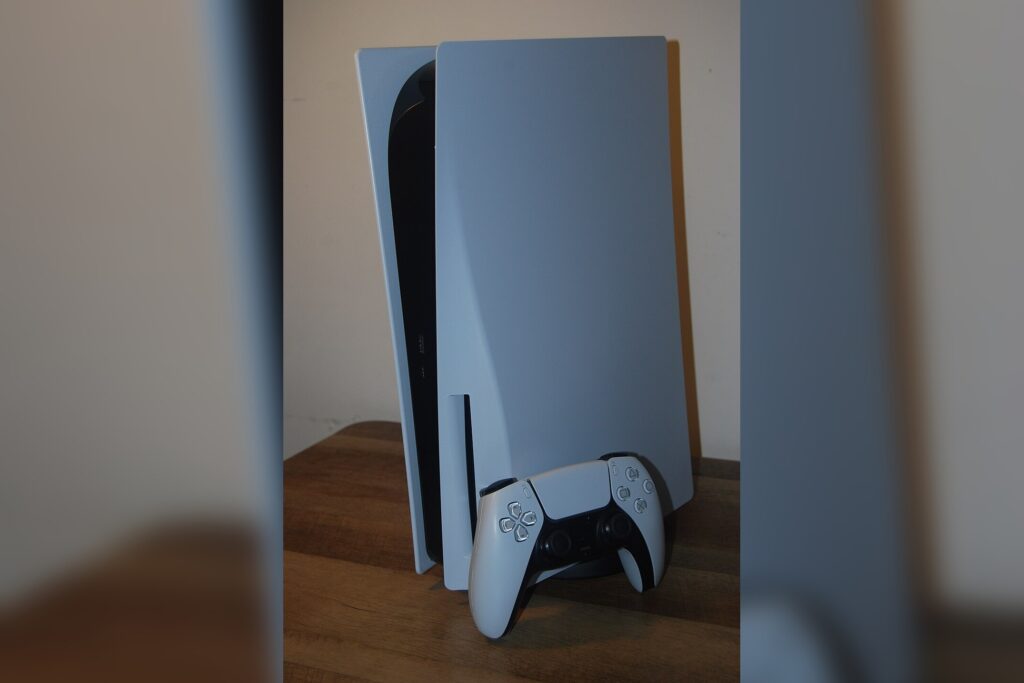
For a year, families across Asia had circled a date on their mental calendars. That date now means nothing. A PS5 action game, announced twelve months ago to considerable fanfare, has been canceled.
The report, originating from Manila on June 23, confirms the project is dead. The game was expected to be a major release for Sony’s console.
When it was first announced, it generated significant buzz. Gamers in the Philippines and throughout Asia, where the PS5 has been steadily gaining traction, had built up a sharp rise in anticipation. They discussed its unique features and gameplay mechanics in online forums and local gaming shops.
That conversation has now stopped. This cancellation is not an abstract corporate decision.
It has a concrete consequence for a specific group of people. For communities of gamers across the region, it means one less highly-anticipated title to play. For families who had planned to purchase the game, it means finding alternative entertainment.
The report puts it plainly: they will have to look elsewhere for their gaming fix, at least for the time being. The announcement comes as a surprise. The initial excitement was real.
The interest was genuine. Several people in the gaming community had expressed clear enthusiasm for what the game promised.
Now that enthusiasm has no outlet. The letdown is tangible for those who had been following the game’s development closely. What happened?
The exact reasons for the cancellation are not specified in the report. That silence is itself a fact.
No explanation was offered to the families who had planned their purchases. No reason was given to the communities that had rallied around the title. The decision was made, and the announcement was made, and that is where the public record ends.
The PS5 has been gaining popularity in the region. A cancellation like this stings more in that context. It is a significant development because it slows the momentum.
Gamers who bought the console expecting a steady stream of new, exciting games now face a gap. They will have to wait longer for releases that capture the same level of interest.
This is not a story about a studio’s internal struggles or a publisher’s shifting strategy. Those details are absent. This is a story about anticipation meeting reality.
It is about the gap between what was promised and what will now be delivered: nothing. The game was announced.
People got excited. The game was canceled. That is the arc.
For the families in the region, the impact is straightforward. They had a plan. The plan involved a specific game on a specific console.
That plan is now invalid. They must consider alternative options.
Some will turn to other titles already available. Others will wait for the next announcement, hoping it does not meet the same fate. The gaming community in Asia is now coming to terms with the news.
The buzz is gone. The discussions about unique features are over.
What remains is the reality of a canceled project and the quiet recalibration of expectations. The report from Manila made it official. The promise of a year ago is now a closed chapter.




