
CHICAGO, Sept. 7 — The smartphone has quietly become part of nearly everyone’s emergency infrastructure. But after a brutal late-summer stretch of disasters, a hard question is emerging for planners: what happens when that infrastructure fails? In a single week in August, powerful storms and deadly flooding knocked out power to half a million people across the U.S. Midwest.
Tropical Storm Lala cut electricity to thousands in Hawaii amid dangerous wind and flooding. Wildfires forced evacuations across the western U.S. And a powerful earthquake struck Colombia.
In each case, residents reached for the same tool. Mobile phones delivered warnings, mapped evacuation routes and road closures, pointed people to shelters, tracked rapidly changing conditions, and connected the injured to 911. But the same disasters exposed the fragility of that dependence.
Phones are easily lost or forgotten in a scramble to leave. Batteries drain with no way to recharge.
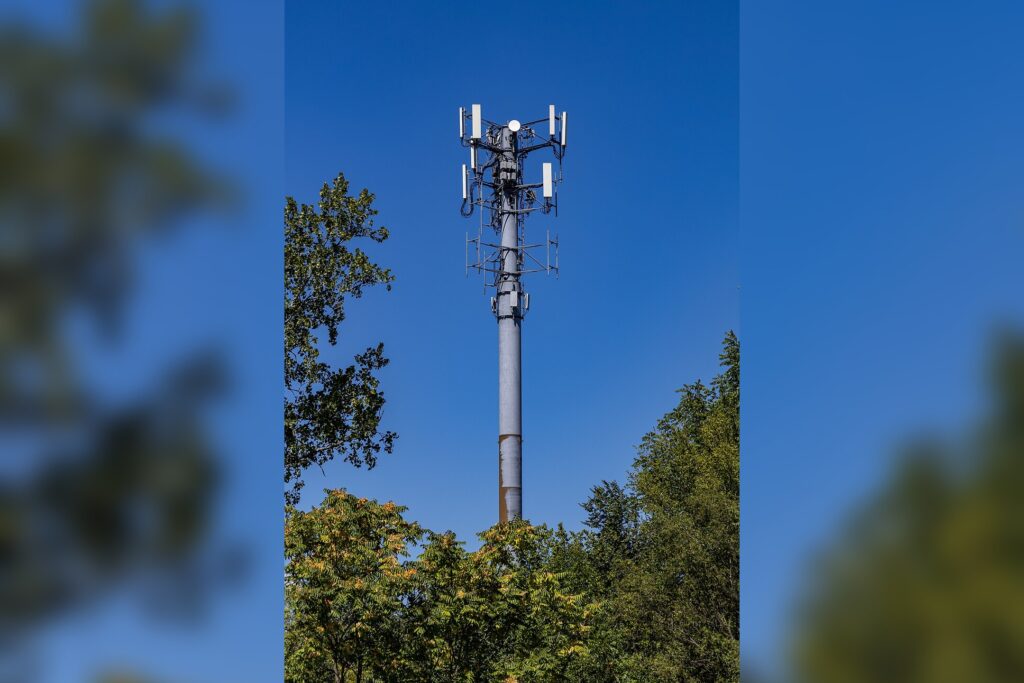
Cell service becomes unreliable just when it matters most. The result, emergency planners say, is a new dimension of the digital divide. The issue is no longer simply who owns technology or knows how to use it.
It is what happens when access to essential information depends on technology that suddenly stops working. The answer is not less technology — digital alerts, online maps, and rapidly updated information save lives. Instead, resilience depends on redundancy: backup sources of the same information that need no electricity and no cell connection.
Some communities already build that in. Alerts normally sent by phone or email also go out over radio broadcasts, television, and community groups.
Others flash warnings and evacuation details onto traffic signs. Community centers double as information hubs and charging stations when power fails. New York City’s Notify NYC program pushes emergency information through texts, email, telephone calls, its website, social media, and American Sign Language videos — plus television and radio — and its Advance Warning System reaches organizations serving people with disabilities and other special needs.
In Florida, Miami-Dade County layers digital alerts with television, radio, and local networks. Recovery resources need the same redundancy.
Agencies offering information about emergency response and recovery can provide telephone access to the same material posted on websites, and community centers can host applications for disaster assistance, emergency housing, and financial aid. For individuals, the advice is concrete. Ask: If I had to evacuate fast and could not take my phone, what information would I need?
Keep backups in an emergency go-bag, ideally in a waterproof baggie. During an emergency, save the phone for essential uses only. Write down key contact numbers while there is still time.
And check on neighbors, friends, and family — particularly those in rural or isolated areas and those with less mobility. Not everyone gets the same warning.




