
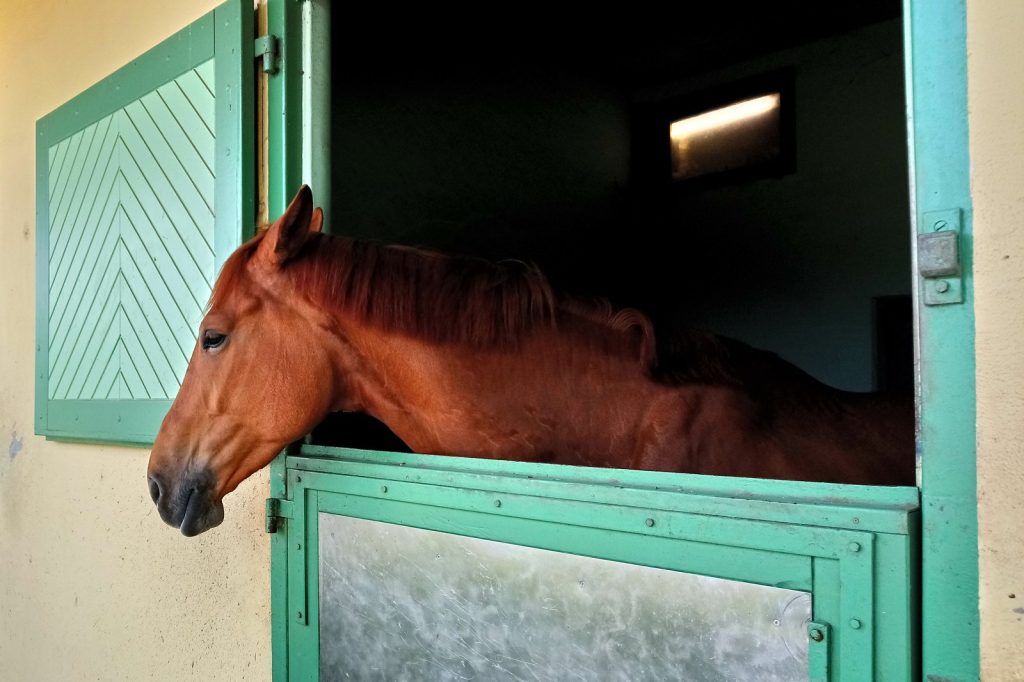
LONDON, July 16 — The story begins not with a dramatic event, but with what a horse cannot tell you. A 2024 study, funded in part by the Japan Society for the Promotion of Science, has found that horses can recognise predators from visual cues alone. For those involved in the care and management of these animals, the finding carries a quiet but significant weight.
The research suggests that a horse stabled near an area where wolves or wolf-like dogs are visible may experience elevated heart rates — even if its outward demeanour remains perfectly calm. At its heart, the study challenges a long-held assumption in animal welfare: that a calm exterior means a calm interior.
The researchers behind the study argue that the implications for barn design and daily management are direct. If horses can identify a threat simply by sight, then their environment should be arranged to minimise exposure to such stimuli. The authors suggest that caretakers should consider the placement of windows and the use of visual barriers to block a horse’s view of potential predators.
A horse that looks relaxed may, in fact, be running a silent physiological stress response that goes unnoticed without the right tools. That is where technology enters the picture.
The study underscores the importance of non-invasive monitoring tools — such as heart rate sensors — to assess animal well-being. The authors argue that relying solely on behavioural observation can be misleading. For a horse standing quietly in a stall, its heart may be racing.
The research gives caretakers a reason to look beyond the surface. What unfolded from this work is a more nuanced understanding of stress in domestic horses. The study’s authors recommend that caretakers be aware that a lack of visible distress does not equal a lack of distress.
This could influence not only how horses are housed, but how their welfare is evaluated on a day-to-day basis. For those managing horses near areas where predators like wolves are present, the advice is clear: what the horse sees matters.
The research points toward a future where barn design accounts for the animal’s visual world, and where welfare assessments rely less on guesswork and more on data. What to watch next is how quickly these findings translate into practical changes. The study has handed caretakers a new lens through which to see their animals.
The question now is whether the industry will take the hint — and redesign the barn around the horse’s own view of danger.




