
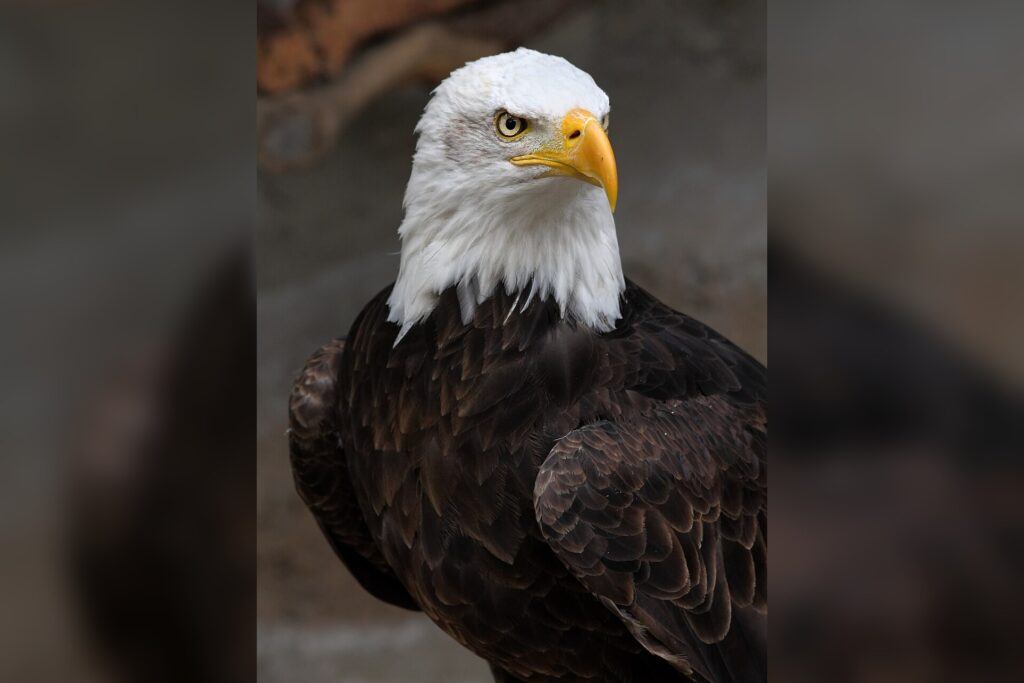
WASHINGTON, July 5 — When winter tightens its grip across North America, the question of where bald eagles go is less about a single destination and more about following the dinner table. Bald eagles don’t universally migrate south for the winter. Instead, they follow their primary food source — open water with available fish — often moving shorter distances within their established range, or congregating where food is plentiful.
This adaptation demonstrates their incredible resilience and resourcefulness. For families who watch these majestic birds, symbols of freedom and national pride, the winter disappearance can feel like a small loss.
The human side of this story is about connection: people who look forward to seeing eagles soaring overhead suddenly find empty skies. Several key factors determine where bald eagles go during winter, including food availability, suitable roosting sites, and the severity of the weather. Bald eagles possess several remarkable adaptations that enable them to survive harsh winter conditions.
What this means for birdwatchers and conservationists is that the birds are adaptable, but some areas are preferred. While some eagles remain in their nesting territories year-round, many migrate to areas with more reliable food sources.
Behind the breakthrough in understanding these movements lies technology. Researchers now track eagle movements using tools that reveal the flexibility of their migratory habits. Unlike some bird species that undertake long-distance migrations to warmer climates, bald eagles exhibit a more flexible approach, driven primarily by the availability of food.
Understanding their winter movements requires looking at factors influencing their habitat selection and survival strategies. The birds are not abandoning their territories so much as following the fish. What to watch next is how changing conditions on rivers and lakes — ice cover, water temperatures, fish populations — will shape where these iconic birds spend future winters.
For now, the answer to where bald eagles go remains as individual as the birds themselves.




