
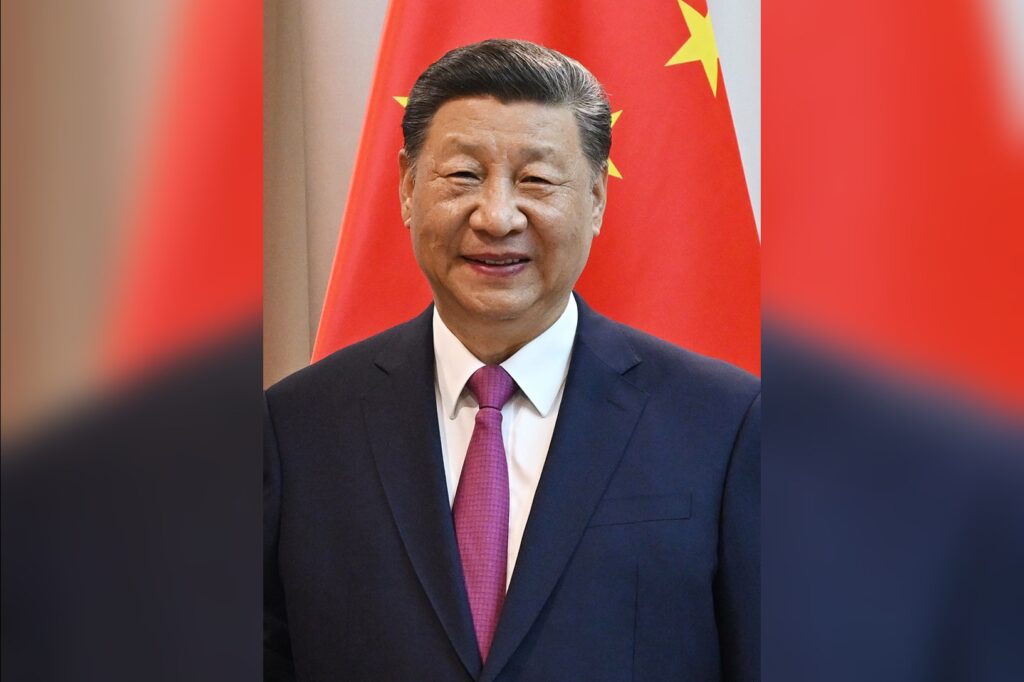
WASHINGTON, September 29 — President Xi Jinping concluded his visit to the United States on September 27, 2026, confirming a two-month extension of the US-China trade truce originally reached in Busan, South Korea. The extension was welcomed by European officials seeking stability in global supply chains, particularly for rare earths. Marc Julienne, director of the Centre for Asian Studies at the French Institute of International Relations, said the stabilisation of US-China relations benefits Europe, which fears both a new trade escalation and an unprecedented rapprochement at its expense.
Engin Eroglu, head of the European Parliament’s China delegation, noted that the lack of a breakthrough in China’s efforts to secure greater US market access could strengthen the EU’s position in its upcoming trade talks with Beijing, scheduled to begin on October 8, 2026. Eroglu is set to travel to China in October for the fourth time in 2026 with the parliament’s Committee on International Trade.
However, analysts warned that the warm reception Xi received in Washington — including a personal greeting on the tarmac and a red carpet welcome from US President Donald Trump — might signal a deeper alignment between Beijing and Washington that excludes Europe.
Noah Barkin, a senior adviser with Rhodium Group’s China practice, argued that Trump’s gestures amounted to a ‘massive gift’ to China that undermined traditional US allies, adding that Europe would feel ‘rather alone’ following the visit, especially given Trump’s invitation to Russian President Vladimir Putin to attend the December 2026 G20 summit in Miami. Barkin also said the two-month truce extension did not provide sufficient clarity on Europe’s rare earth supplies, a concern given China’s export controls on critical minerals, which Beijing framed as a response to US trade measures.
Julienne said these controls affected European industry as severely as they did others. Ian Hernandez, a policy analyst at the European Policy Centre, said that before the truce extension, one of Europe’s top priorities had been securing US-China agreement to extend the Busan-era truce due to its implications for supply chains.
Hernandez also raised concerns about artificial intelligence, noting fears that Europe could be excluded from US-China negotiations on AI safety standards or agreements with significant consequences for the continent, citing the adage: ‘If you’re not at the table, then you’re on the menu.’ He added that while Europe’s strategy of building a coalition of ‘middle powers’ might succeed on issues like rare earths, the continent would still need to cooperate with the US on other matters, including through the Washington-led Pax Silica initiative.
The extension of the truce leaves open questions about how Europe will navigate shifting dynamics between the two powers as it prepares for its own talks with Beijing in October.




