
Rep. Ritchie Torres has announced legislation to ensure gamers own the video games they purchase, challenging the current digital marketplace where titles are sold as revocable licenses rather than property. The Power To The Players Act would direct the Federal Trade Commission to establish regulations protecting consumers’ ability to keep and play purchased games long after a company moves on.
The Shift from Ownership to Licensing
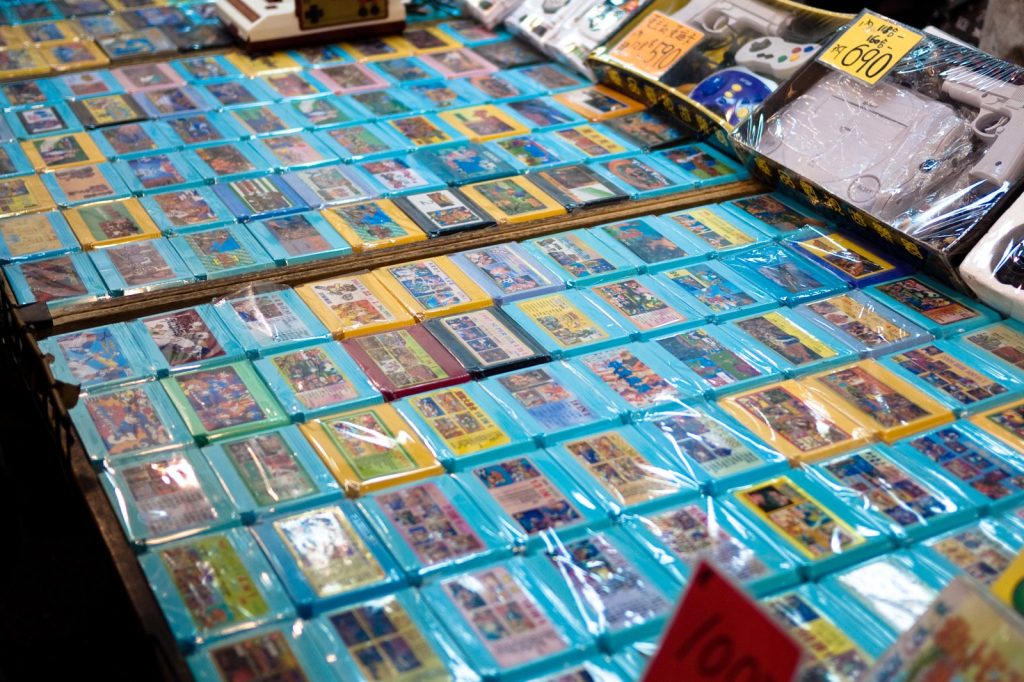
For decades, video game ownership meant possessing a physical cartridge or disc that remained in a consumer’s possession indefinitely. Today, the industry has moved toward digital-only distribution, removing the option to buy or use physical games entirely. Digital downloads now account for 82 percent of full-game unit sales on PlayStation, significantly reducing physical media options available to buyers.
This transition altered the fundamental nature of a purchase. Under current terms, buying a video game gives the consumer a license to play it rather than ownership of the game itself. This leaves players dependent on the company’s continued support for access. When a publisher decides to shut down servers or delist a title, that license can vanish instantly.
NBA 2K25 serves as a stark example of this precarious arrangement. This timeline occurs just two years after its initial release and involves the delisting of the title from digital storefronts on October 30. No consumer should have a game they paid for pulled out from under them on a company’s arbitrary schedule.
The Power To The Players Act Provisions
The proposed legislation aims to close the gap between buying a game and owning it. Under the bill, purchasing a video game would grant the consumer ownership of the game rather than a license to play it. This change would restore the historical norm of game ownership seen in the 1990s when most games were experienced by players as tangible assets.
Key provisions require that games with online functionality provide an offline mode before servers supporting them are shut down. The legislation also seeks to preserve consumers’ ability to own and resell their games. By ensuring players can keep playing the games they paid for, the bill allows families to share titles with friends and family for years to come.
Rep. Torres stated that when you pay for a game, you should own it. Consumers must have the right to own, the right to play, and the right to transfer the games they buy. A game that can be taken away the moment a company pulls the plug is not a purchase; it is a rental disguised as a sale.
Families in the Bronx and across the country save up to buy these games, and they deserve better than a license that can vanish at any time. The act ensures consumers own what they buy and can keep playing long after a company moves on. This approach addresses the growing concern regarding game preservation as titles are delisted from digital marketplaces and become inaccessible.
Implications for Gamers and Industry Standards
The bottom line is that current practices leave gamers vulnerable to corporate decisions made without consumer consent. Investors will note that shifting from license models to ownership models could reshape how software is distributed and maintained in the long term. The figure that matters here is the ability of a buyer to retain access to their investment regardless of market conditions or publisher strategy.
Some consumers have been protesting Sony’s announcement that it plans to discontinue releases of PlayStation games on physical media. While digital convenience drives sales, the argument continues that continuing to offer physical discs aids long-term preservation of games. Physical discs allow users to play titles without relying on active online servers or digital storefront availability.
Game preservation is a growing concern as titles are delisted from digital marketplaces and become inaccessible. The bill directs the FTC to take action to prevent outcomes like those seen with NBA 2K25 in the future. By establishing new regulations, the law seeks to ensure that buying a video game gives the consumer ownership of the game rather than a license to play it.
This legislative move highlights a broader shift in how digital goods are treated under US law. The historical norm referenced by Rep. Torres involves treating software purchases as property transactions similar to other consumer electronics. This distinction matters for resale value, archival rights, and the expectation of indefinite access to purchased content.
What Comes Next for Game Ownership
The announcement marks a significant step in addressing the balance between corporate control and consumer rights in the gaming sector. Rep. Torres called the new status quo the bill proposes a restoration to the historical norm, referencing how most games were experienced by players back in the 1990s.
Torres told Kotaku that there should be a simple rule: if you pay for it, you own it. This principle challenges the prevailing model where digital storefronts retain ultimate control over purchased content. The legislation represents an effort to align digital gaming practices with traditional consumer protection standards found in other industries.
The impact of this bill will depend on how quickly the Federal Trade Commission can establish the necessary regulations. It also depends on whether publishers adjust their business models to comply with ownership requirements. For now, the debate centers on whether a game sold for $69.99 or $99.99 should remain playable indefinitely once purchased.
The Power To The Players Act ensures consumers own what they buy and can keep playing long after a company moves on. As the industry faces increasing scrutiny over digital rights, this legislation offers a clear path toward restoring consumer confidence in digital purchases. The movement reflects a growing demand for transparency and fairness in how video games are sold and maintained.
Sources
- Rep. Torres Announces Power To The Players Act, Legislation to Ensure Gamers Own Their Games
- US Rep proposes bill to give video game buyers "ownership," not "a license"
- ‘Street Fighter’ Cast Guide: All the WWE Stars, UFC Champs and Celebs Playing Video Game Fighters in the Live-Action Movie
Photo: Evan-Amos (Public domain)




