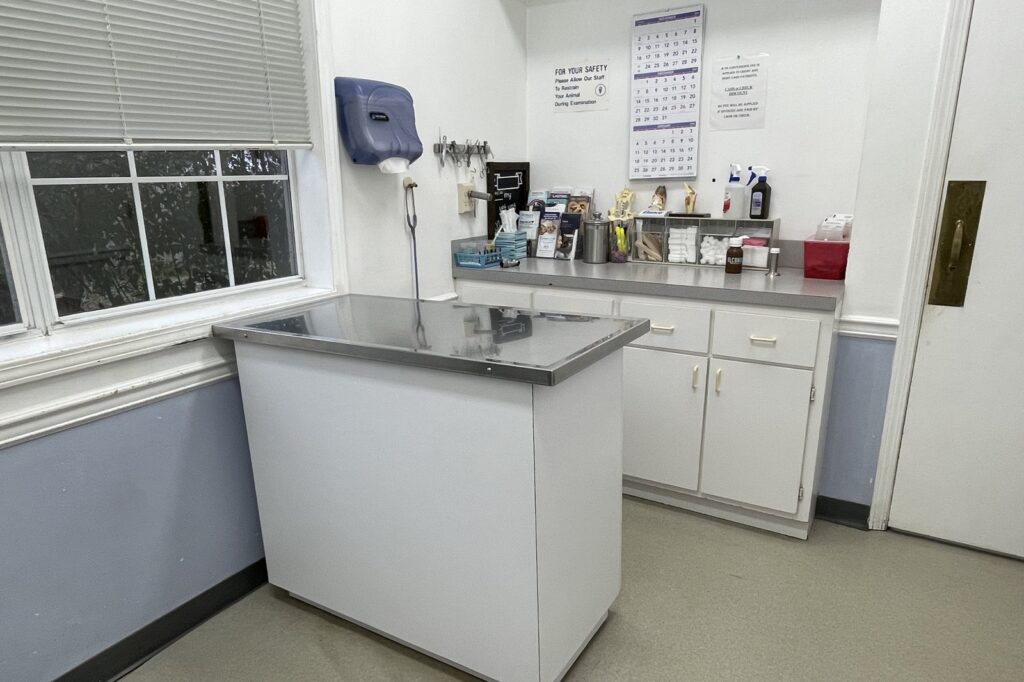
A dog with a broken jaw, found beside a road by a mail carrier, has come through surgery successfully. That is the news, and it is a reminder of how much specialist capacity now sits behind a case like this one. Who operates, how they are trained and what drugs keep the patient stable all matter.
What veterinary surgery covers
Veterinary surgery splits into three broad areas: orthopedics for bones, joints and muscles; soft tissue surgery for skin, body cavities and organ systems; and neurosurgery. Surgeons now perform total hip, knee and elbow replacements, cancer operations and herniated disc repairs, and they use minimally invasive methods such as arthroscopy, laparoscopy and thoracoscopy. The goal differs by patient. For a pet, the benefit to the animal is what counts, as in human medicine. In farm animals, economics weigh more heavily.
The road to board certification
Surgery is one of 22 recognized veterinary specialties. A vet who wants board certification completes a one-year clinical internship, then three years of residency under board-certified surgeons, logging a large number of procedures that include fracture fixation, abdominal surgery and arthroscopy. Candidates must then pass a rigorous examination to become diplomates of the American College of Veterinary Surgeons or its European counterpart.
Brooke Lee, a resident in small animal surgery at the University of Missouri, came to orthopedics through college volleyball and an interest in how injuries affect movement. She chose to stay at Missouri because the hospital culture is, in her words, “a really positive environment”. The program, she said, introduces residents to different aspects of surgery, and she is drawn toward a career in academia.
Leadership is changing at the top. Denis Marcellin-Little, a professor at the UC Davis Weill School of Veterinary Medicine, took over as ACVS president at the 2026 Surgery Summit. He earned his veterinary degree in France and says he may be the first president of the college trained in a European country whose official language is not English. Meanwhile the Schwarzman Animal Medical Center, which finished a $127 million capital campaign and an 83,000-square-foot hospital expansion, has named Nicole Seligman chair of its board of trustees.
Keeping the patient stable
Anesthesia in animals resembles human practice with some differences. Local anesthetics, mainly lidocaine, mepivacaine and bupivacaine, are used chiefly for wound closure. Sedatives include acepromazine, hydromorphone, midazolam, diazepam, xylazine and medetomidine. The last two are especially useful because they can be reversed, xylazine with yohimbine and medetomidine with atipamezole. In the United States xylazine is approved for dogs, cats, horses, deer and elk, while medetomidine is approved only for dogs. Major surgery usually calls for general anesthesia: the animal is premedicated, induced with an intravenous drug, intubated and maintained on a gas anesthetic, commonly isoflurane.
Sources
- Veterinary surgery
- Paws and profits: American College of Veterinary Surgeons names new president, Schwarzman AMC announces new board chair, and more updates | dvm360
- Veterinary medicine resident carries positive culture forward
Photo: Ktkvtsh (CC BY 4.0)