
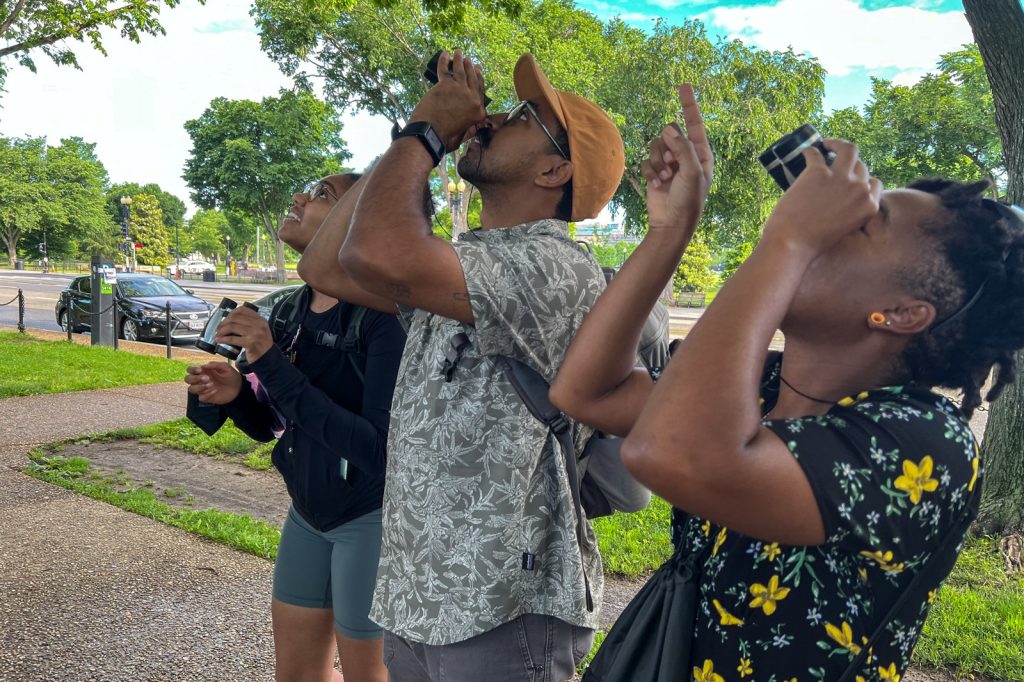
Bird watching has been around for as long as people have looked up. But the idea of planning a trip around it — of chasing migrations like a storm chaser tracks a front — is a newer thing. The report on best months for birding makes a clear case: spring and fall migrations are the prime times.
That conclusion echoes what birders have known for decades, but the details matter more than ever as the hobby grows. Compare this to how birding was practiced fifty years ago.
Back then, a birder might have kept a notebook and a field guide. They watched local species year-round, often settling for the same dozen birds in their backyard. The idea of targeting a specific month for maximum diversity was less urgent.
Now, millions of people do it. The report notes that bird watching is an increasingly popular activity enjoyed by millions worldwide.
That shift changes everything. Spring migration runs from March through May in North America. The report calls it a “symphony of song and color.” Fall migration, it says, offers a “subtle shift, equally rewarding.” Those two windows are the backbone of any serious birder’s calendar.
Past surveys from birding organizations — though not cited in the report — have long shown that the highest number of species recorded on a single day in North America falls within those months. The report reinforces that pattern without needing to mention specific counts. Location, the report says, is key.
That is not new either. A birder in the Rio Grande Valley in Texas will see different birds in April than someone in the Upper Peninsula of Michigan.
But the principle holds: migration concentrates birds along flyways, and those flyways are predictable. The report offers a month-by-month guide for North American examples, helping birders plan. That kind of specificity is a luxury earlier generations lacked.
They had to rely on local knowledge passed by word of mouth. Now, data and guides are abundant.
What the report does not do is dwell on the science behind the timing. It mentions that most birds migrate to breed in areas with abundant resources during warmer months and then move to warmer climates with more food during colder months. That is the engine driving the whole cycle.
Understanding those cycles, the report says, drastically increases your chances of seeing a greater diversity of species. That is a practical takeaway. Ethical birding practices get a mention too.
That is a newer concern. Fifty years ago, a birder might have played a recording of a bird call to lure a bird closer, not thinking twice about the stress it caused.
Now, the report flags ethical practices as part of a successful trip. That is a shift worth noting. The hobby has matured.
Gear is also part of the equation. The report lists essential gear but does not detail it.
That is fine. The point is that birding has become a pursuit with a market — binoculars, spotting scopes, field guides, apps. None of that existed in the 1960s.
A birder then might have used a pair of army surplus binoculars and a dog-eared copy of Peterson’s guide. Now, the options are endless. The bottom line from the report is straightforward: spring and fall migrations are the best times.
That has not changed in a hundred years. What has changed is how people prepare, how many people do it, and how much information is available to make those months productive.
The report gives a clear roadmap. The rest is up to the birder.




