
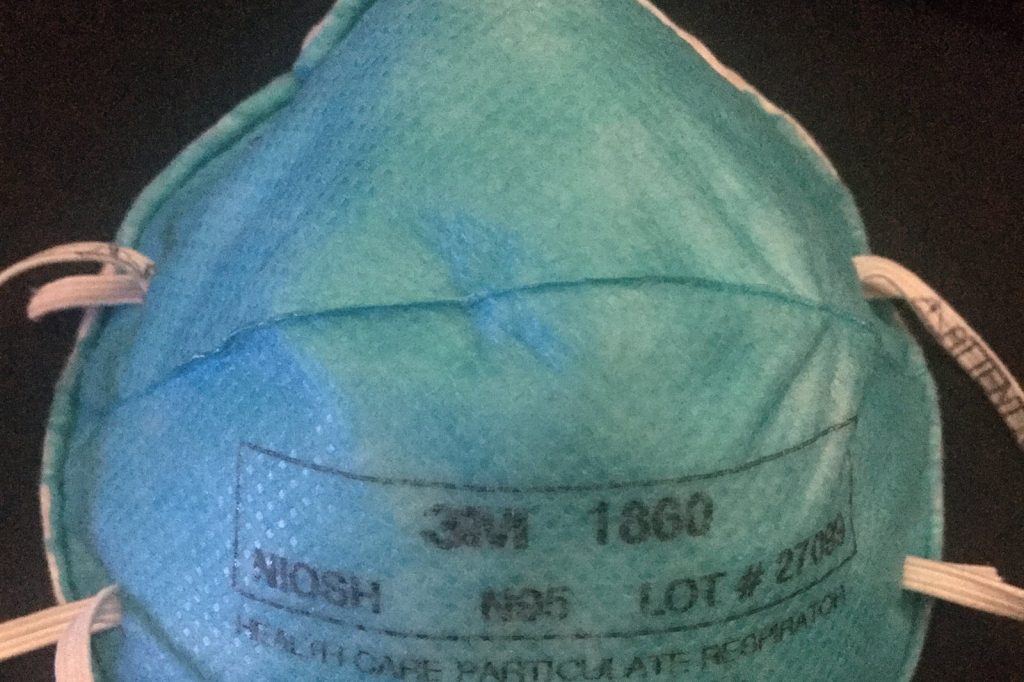
On April 9, 2021, international scrutiny intensified as authorities worldwide grappled with a surge in counterfeit personal protective equipment (PPE) traced to Chinese online vendors. China’s Ministry of Public Security reported seizing over 31 million substandard or fake face masks in February alone, part of a broader crackdown on profiteering during the COVID-19 pandemic.
The operation led to the arrest of 1,560 individuals suspected of manufacturing and distributing fraudulent protective gear. The problem came into sharper focus after thousands of Chinese-made masks were removed from online platforms when investigations revealed they lacked official certification from health regulators. Some sellers promoted products bearing fake authorization labels from the United States’ National Institute for Occupational Safety and Health (NIOSH), including the Valpro Ranger 821, 821V, and N95 models. These counterfeit items entered a global market already struggling with severe PPE shortages, which frontline healthcare workers depended on to prevent infection and transmission of the virus.
Kerry Bowman, a Canadian bioethicist, described the marketing of counterfeit masks as “profoundly problematic,” noting that coronavirus cases were rising across multiple regions. The escalating demand for masks, gloves, respirators, goggles, and gowns had attracted illegitimate manufacturers seeking to exploit the crisis.
Rather than helping contain the pandemic, some Chinese sellers exacerbated a health emergency that originated in their own Hubei province. International health and security authorities repeatedly urged the public to remain vigilant against these counterfeits. The World Health Organization (WHO) warned that fake PPE could lead to reduced effectiveness, increased infection risk, and even death, emphasizing the need for strict quality control measures to verify medical supply authenticity.
The U.S. Centers for Disease Control and Prevention (CDC) similarly advised consumers to confirm PPE authenticity through reputable sources like NIOSH. In response, China’s Ministry of Public Security strengthened enforcement efforts, arresting numerous suspects and confiscating large quantities of fake masks and other protective gear.
However, the problem persisted, with counterfeit items continuing to appear online despite these measures. The situation underscored the need for international collaboration to address the global health crisis. The WHO, CDC, and other health bodies called for enhanced cooperation and information sharing to combat counterfeit medical supplies.
Dr. Mike Ryan, Executive Director of the WHO Health Emergencies Programme, stated that the pandemic highlighted the necessity of global solidarity against common threats. The WHO established a network of international partners to share best practices in countering counterfeit PPE, aiming to ensure the authenticity and quality of medical supplies worldwide.
China’s regulatory shortcomings had far-reaching consequences, worsening the global PPE shortage and endangering frontline workers and patients. As the pandemic evolved, experts stressed that governments, international organizations, and stakeholders must work together to promote transparency and accountability, mitigating risks from counterfeit PPE and protecting global health.




