
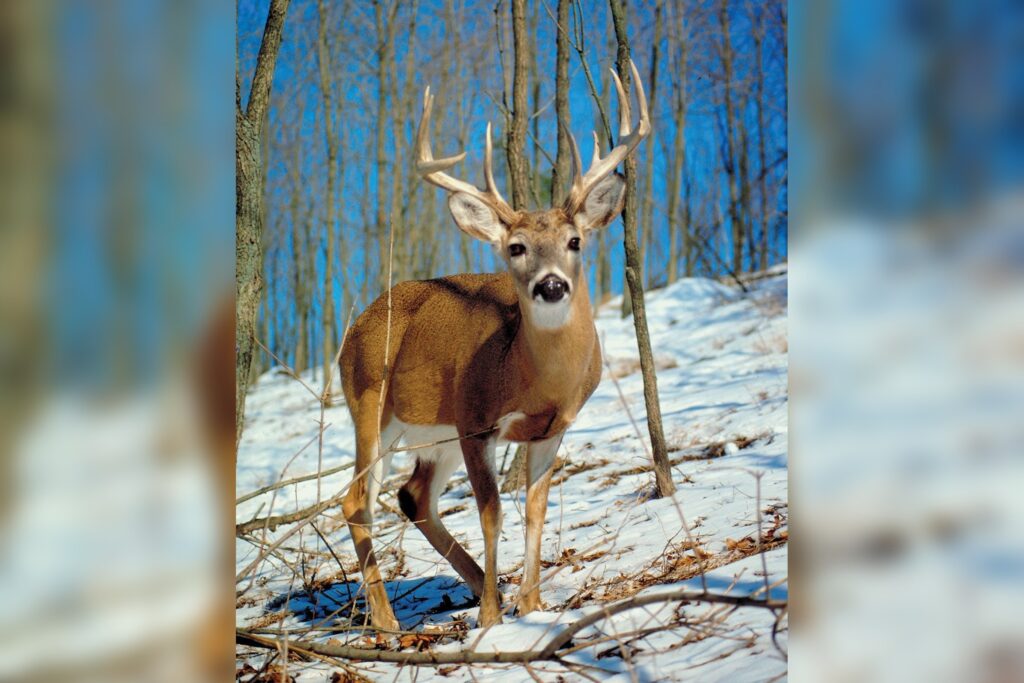
Deer eat a lot of things. Leaves, stems, fruits, nuts, bark. The list is long.
That broad appetite lets them survive in suburbs, forests, and farmland alike. But it also puts them in harm’s way.
A deer does not know which plant will kill it. It just eats. The question of what is poisonous to deer has quietly troubled landowners for decades.
The answer, as far as it exists, is scattered across old gardening manuals, state wildlife pamphlets, and the hard-learned lessons of people who watched a healthy buck die in their backyard. There is no single registry.
No central database. What exists is a patchwork of observation. Common poisonous plants are documented in available guidance.
The record does not name them all. But the problem is older than the guidance. Deer have been grazing on toxic flora for as long as they have grazed at all.
The difference now is that human landscapes concentrate those dangers. A suburban garden can be a minefield of azaleas, rhododendrons, and yew.
All of them are known threats. The deer do not know that. Young deer are more susceptible than adults.
That detail comes from the source material. It suggests that age matters.
A fawn might die from a mouthful of something that would only sicken a mature doe. The reason is not given. But it tracks with how poisons work in other animals.
Smaller bodies, weaker systems, less tolerance. Whether deer can develop a tolerance over time is not answered in the record. That is a gap.
Some animals learn to avoid bitter or toxic plants. Others do not.
The source material simply does not say. The same goes for whether all deer species share the same sensitivity. White-tailed deer in a New England woodlot might react differently than mule deer in the Rockies.
No one has settled that question in the available information. Man-made poisons pose a threat too.
That is stated plainly. Pesticides, herbicides, rodenticides. Deer do not distinguish between a natural toxin and a synthetic one.
They eat. They die. The record does not compare organic chemicals to synthetic ones for safety.
It does not say one is worse. It simply notes that both are dangerous.
Symptoms of poisoning are listed as a topic. But no specific symptoms are detailed. That is another hole.
A homeowner watching a sick deer has no checklist. No way to know if the animal ate a bad plant or caught a disease.
The guidance warns of the danger but does not describe the warning signs. Prevention is stressed. That is the core message.
Protect deer by knowing what is toxic. The record does not say whether all parts of a poisonous plant are equally toxic. Some plants store their poison in the leaves.
Others in the roots or seeds. A deer might eat a safe berry and a lethal stem from the same bush.
The guidance does not clarify. Nor does it address whether deer preferentially eat poisonous plants when hungry. Starvation can override caution.
A desperate deer will eat what is available. That is true of any animal.
But the record offers no confirmation. The most common cause of deer poisoning in suburban areas is not identified. No single plant or substance is named as the top killer.
That leaves property owners guessing. They know the threat exists. They do not know which specific plant in their yard is likeliest to deliver it.
This is not a settled science. It is a collection of warnings, observations, and unanswered questions.
Deer eat. Some things kill them. The rest is guesswork.




