
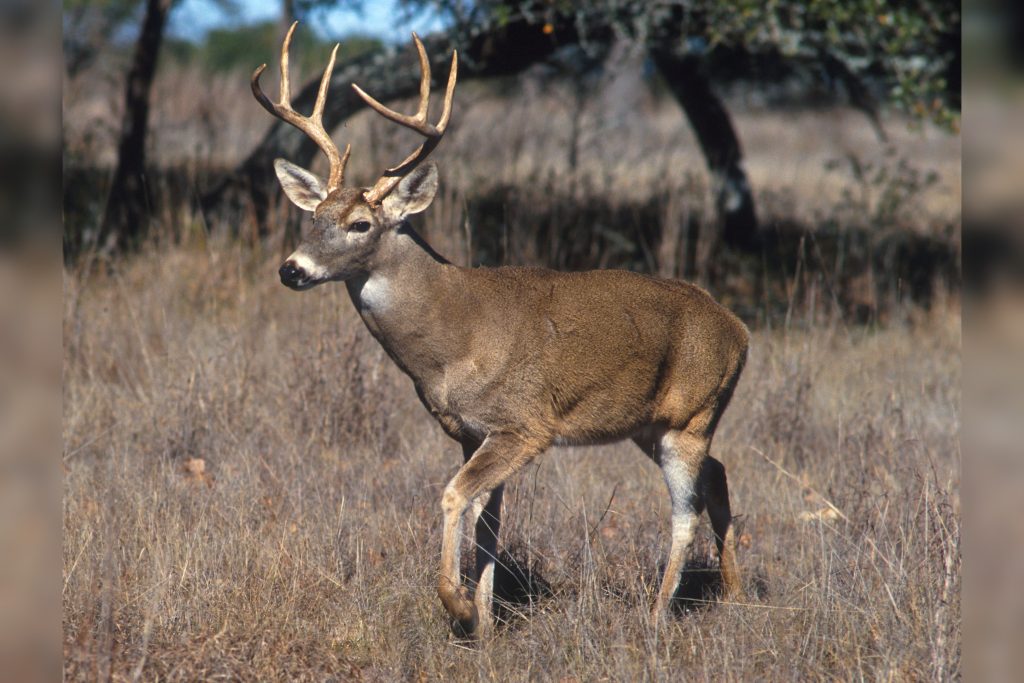
Homeowners and land managers face a quiet hazard this season, one that lurks in flower beds and along fence lines. The danger is not to people or pets in the usual sense, but to the deer that wander through suburban yards. A review of available guidance on deer toxins reveals a list of common plants and substances that can sicken or kill these animals, and the stakes are higher than many realize.
Deer are herbivores with broad appetites. They eat leaves, stems, fruits, nuts, and bark.
That wide-ranging diet lets them survive in varied habitats, but it also brings them into contact with poisons. Their food choices shift with the seasons, and that seasonal change can alter which toxic plants they encounter. The record does not say whether deer can develop a tolerance to these poisons over time.
It also does not confirm if all deer species share the same sensitivity. What is clear is that young deer may be more vulnerable than adults.
A fawn nibbling a garden plant faces a higher risk than a mature buck. The list of poisonous plants is documented but not exhaustive in the source material. Common garden varieties are included.
Man-made poisons also pose a threat. The amount ingested matters, as does the specific plant species. The source does not say whether all parts of a poisonous plant are equally toxic.
A leaf might carry a different dose than a root or a berry. That uncertainty complicates prevention.
A homeowner who removes a known toxic shrub might leave behind fallen seeds or bark that remain dangerous. Symptoms of poisoning are listed as a topic in the record, but specific signs are not given. That gap matters.
Without knowing what to watch for—staggering, drooling, weakness, or something else—a person might not realize a deer is sick until it is too late. The most common cause of deer poisoning in suburban areas is not identified with a single cause.
That absence of a clear culprit makes blanket warnings difficult. One yard might harbor a lethal plant; another might not. The importance of prevention is stressed in the available information.
Protecting deer requires knowing what is toxic. But the source does not compare organic pesticides and herbicides to synthetic ones for safety to deer. A homeowner switching to “natural” products might assume they are harmless.
That assumption could be wrong. The record does not address whether deer preferentially eat poisonous plants when other food is scarce.
A hungry deer in a dry summer might take risks it would normally avoid. For property owners, the practical takeaway is uncertain. The record does not provide a definitive answer on tolerance or on the equal toxicity of plant parts.
It does not name a single most common suburban poison. What it offers is a warning: deer are susceptible, the list of threats is real, and the consequences can be fatal.
The question of what is poisonous to deer carries weight because a misstep—planting the wrong shrub, using the wrong spray—can kill an animal that was only looking for a meal. The risk is concrete. The information is incomplete.
That is the reality for anyone trying to share a landscape with deer.




