
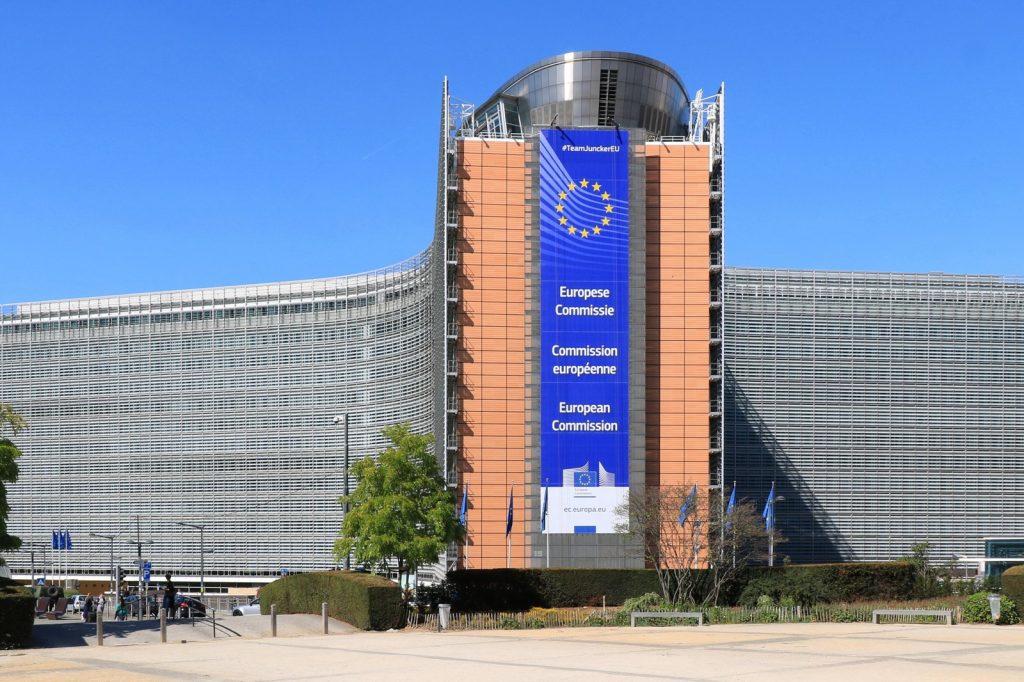
BRUSSELS, October 5 — The story begins with a quiet urgency in the corridors of European power: can the continent act fast enough to avoid a slow economic fade? At its heart, the question is about living standards, workforce strength, and the ability to innovate in a world where rivals are moving quicker.
What unfolded in recent assessments is a familiar but pressing set of structural challenges: an aging population pulling down the labor force, with projections showing that by 2050, over 30% of Europe’s population could be aged 65 or older in several member states, straining pension and healthcare systems. Labor productivity growth in the Eurozone has averaged less than 1% annually over the past decade — a figure significantly below historical trends and well behind competitors like the United States and South Korea.
Untapped Potential in the Workforce
One key lever highlighted is increasing female labor force participation, which remains below 70% in countries such as Italy and Greece, compared to over 80% in Nordic nations. Closing that gap could meaningfully boost economic output without requiring new workers from outside the bloc. The article cites the need for greater investment in research and development, noting that EU R&D spending stands at approximately 2.2% of GDP — below the 3% target set for 2030 and behind the United States at around 3.5%.
Regulatory complexity also slows business formation, with World Bank data showing that starting a business in some European countries takes more than twice as long as in the United States or Singapore. Education and skills training are another focus, with OECD findings indicating that a significant share of adults in Southern and Eastern Europe lack basic digital skills, limiting their adaptability in a changing economy.
Funds Allocated, But Slow to Flow
The NextGenerationEU recovery fund, which allocated over €800 billion (approximately US$870 billion) in grants and loans to support reforms and investments across member states, was designed to accelerate change. Yet as of mid-2024, only about 60% of the allocated funds had been disbursed, with delays attributed to slow national implementation and bureaucratic hurdles. Energy prices remain a concern, with household electricity costs in Europe averaging over €0.30 per kWh in 2023 — more than double the U.S. average — affecting disposable income and industrial competitiveness.
The piece concludes that while reform agendas exist, the pace of execution, coordination between national and EU levels, and public acceptance of change will determine whether Europe can avoid stagnation and maintain living standards in the face of global competition.




