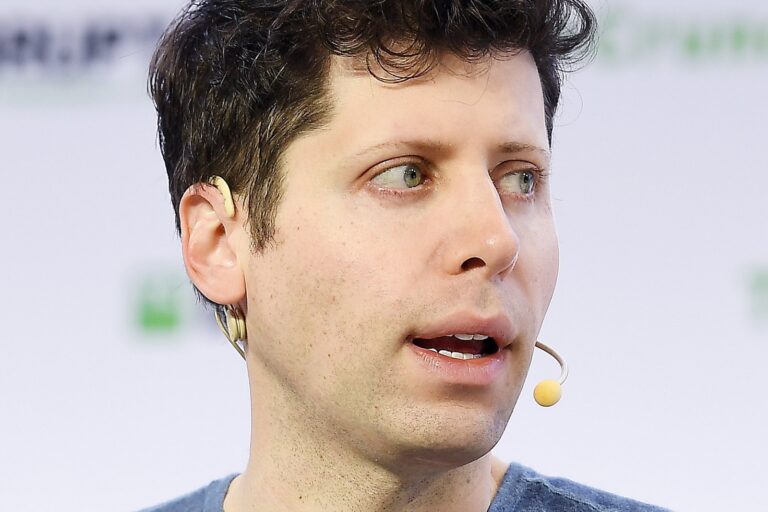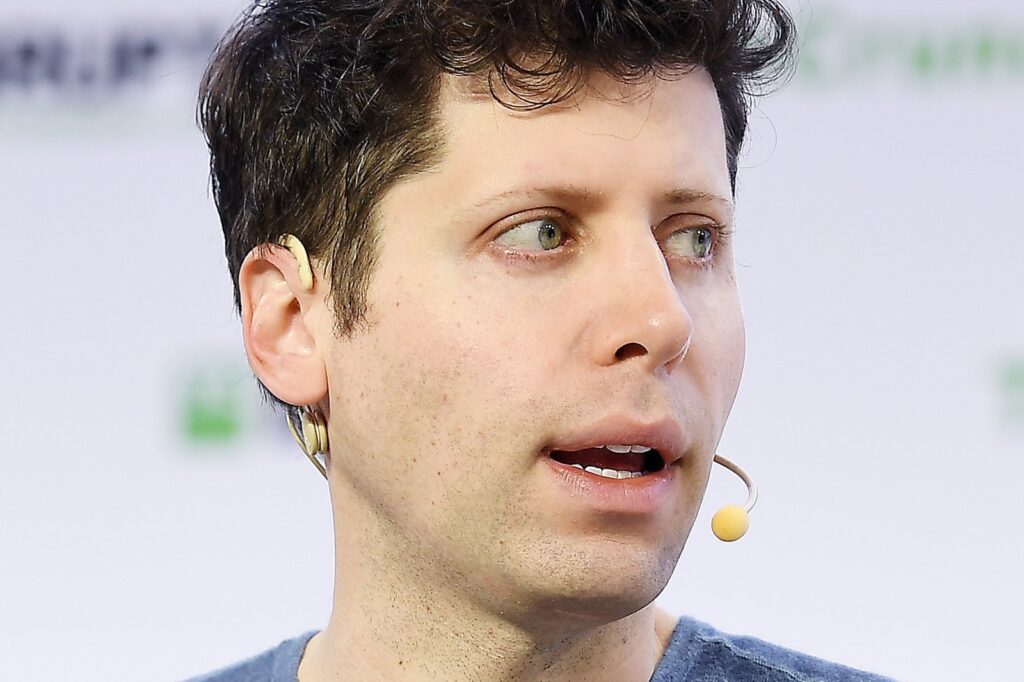
OpenAI chief Sam Altman has entered the debate over where artificial intelligence should run, arguing that personal computers are hoarding memory the world can ill afford. Speaking on the Cheeky Pint podcast, Altman said that keeping DRAM in machines used only by individuals represents a poor use of a globally scarce resource.
The Memory Math of Local AI
Altman’s argument rests on a simple calculation. He told the podcast audience that data center chips see near-constant use, whereas personal computers sit idle for the vast majority of their lifespan. “You want maximum utilization in the cloud if you’re trying to deal with this very supply-constrained environment,” he said. “And somehow, many people’s intuition is the opposite of that.” He added that having the world’s limited supply of dynamic random-access memory sitting in personal machines, where it is active just 5% of the time, is “quite terrible from a global allocation perspective.” The shortage, he noted, is expected to persist through 2030, meaning the tension between local and cloud computing is unlikely to ease soon.
Industry Backlash and Business Interests
Altman’s remarks have not gone unchallenged. Major partners of OpenAI, including Nvidia and Microsoft, have spent the last year promoting new personal computers designed to run large language models on-device. These machines carry higher price tags and larger memory pools, marketed as a way to keep user data private and reduce reliance on remote servers. Local inference does offer tangible privacy benefits, allowing consumers and enterprises to avoid transmitting sensitive information to the cloud. However, it also threatens the subscription-based business models that underpin OpenAI and its closest allies.
The Invisible Hand, Missing
When pressed on whether market forces would eventually resolve the imbalance, Altman was skeptical. He invoked the economic concept of the “invisible hand,” the idea that self-interested competition leads to optimal outcomes for society. “I think the invisible hand is failing right now,” he said, pointing out that memory manufacturers risk financial loss if they over-invest in new fabrication plants. History, he noted, is littered with chipmakers who bet on sustained demand and ended up with gluts. For now, the market mechanism that usually balances supply and demand appears stalled, leaving both data-center operators and individual users competing for the same limited pool of chips.
High Costs, Low Adoption
The practical result of the shortage is already visible in the showroom. New laptops optimized for local AI, such as Nvidia’s RTX Spark line, carry premium price points that make mainstream adoption unlikely until hardware costs fall. Meanwhile, memory manufacturers are directing capacity toward data-center demand, further tightening supply for the consumer market. Altman acknowledged that many assume the problem is solved by the rise of open-source models, but he argued that the physical reality of DRAM allocation remains a binding constraint, regardless of software flexibility.
Altman’s Skepticism Toward the Invisible Hand
When pressed on whether market forces would eventually correct the imbalance, Altman expressed significant skepticism regarding the economic concept of the “invisible hand.” He argued that the self-interested competition which typically optimizes societal outcomes is currently failing within the memory sector. “I think the invisible hand is failing right now,” he stated, specifically pointing to the risks memory manufacturers face if they over-invest in new fabrication plants. Citing historical patterns, Altman noted that chipmakers who bet on sustained demand often end up with dangerous gluts if that demand fails to materialize. He suggested the industry must remain conservative with capacity expansion, wary of the financial peril that comes with building too many factories based on promises of future demand that may never arrive.
This stance presents a paradox for the industry: while the “invisible hand” of supply and demand usually corrects shortages by incentivizing increased production, Altman contends it is stalled precisely when needed most. He implied that the memory market’s current caution, while financially prudent for manufacturers, exacerbates the scarcity for end-users. Until manufacturers feel secure enough to ramp up production without fear of future oversupply, the constraint on DRAM—essential for both data centers and personal computers—is likely to persist, delaying any market-driven resolution to the shortage he describes as “quite terrible.”
Sources
- Sam Altman Suggests Running AI Locally Is a Waste of Memory
- Sam Altman Suggests Running AI Locally Is a Waste of Memory
- “Quite terrible”: Sam Altman says PCs waste the world’s limited DRAM supply
Photo: TechCrunch (CC BY 2.0)