
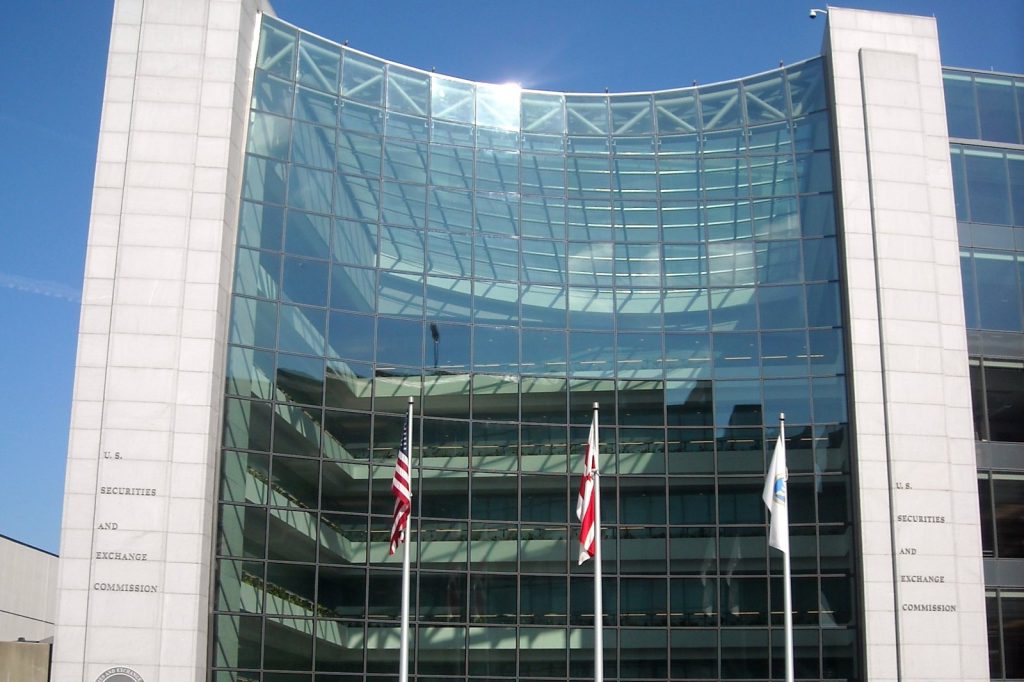
WASHINGTON, July 8 — The $3.5 million theft reported yesterday from an investment advisory firm is a stark reminder of a persistent vulnerability in American finance. While the sum is a fraction of the broader fraud landscape, the calculus for individual victims is devastating. The Securities and Exchange Commission reported over $1.5 billion in penalties and disgorgement from adviser misconduct in 2023 alone.
Strategically, this signals that even as regulators sharpen their enforcement tools, the sheer scale of the problem demands constant vigilance from investors and firms alike. Fraud in the advisory space costs investors billions annually.
The FBI’s Financial Crimes Report 2023 documented that securities fraud complaints exceeded 10,000 that year, a figure that underscores the breadth of the challenge facing federal law enforcement. The $3.5 million figure is significant for the individuals involved. But the broader stakes extend far beyond a single case.
A 2024 study by the Association of Certified Fraud Examiners found that financial statement fraud carries a median loss of $593,000 per case. Adviser theft, however, often goes undetected for years, compounding the damage.
The Detection Gap
What this signals to the industry is the critical need for robust internal controls. The fact that adviser misconduct can remain hidden for extended periods points to a structural weakness in how many firms oversee their financial professionals. The SEC’s enforcement actions in 2023, totaling over $1.5 billion in penalties and disgorgement, demonstrate the agency’s aggressive posture.
Yet the persistence of fraud suggests that detection and deterrence remain incomplete. For the victims of the $3.5 million theft, the calculus is personal.
For the broader market, the case serves as a warning about the trust investors place in their financial advisers.
Regulatory Response
The SEC has made adviser oversight a priority, but the agency faces resource constraints. With securities fraud complaints exceeding 10,000 in 2023, the enforcement burden is substantial. The FBI’s Financial Crimes Report highlighted the complexity of these investigations.
Securities fraud cases often involve sophisticated schemes that require specialized expertise to unravel. The $3.5 million theft reported July 7, 2026, will likely undergo a thorough investigation, but the process can be lengthy.
Strategically, the industry must consider whether current compliance measures are adequate. The median loss of $593,000 per financial statement fraud case, as documented by the Association of Certified Fraud Examiners, suggests that even mid-sized frauds can inflict serious harm.
Looking Ahead
The broader stakes for the advisory industry are clear. Without stronger internal controls, the trust that underpins the client-adviser relationship will remain vulnerable. The $3.5 million theft is a data point in a larger pattern, one that regulators and firms must address with renewed urgency.
What this signals to Washington is that enforcement alone cannot solve the problem. The calculus for policymakers involves balancing regulatory oversight with industry innovation in fraud detection.
The $1.5 billion in SEC penalties from 2023 demonstrates the financial impact of misconduct, but prevention remains the more effective strategy. For investors, the message is caution. The FBI’s 2023 complaint data and the SEC’s enforcement record both point to a persistent threat.
The $3.5 million theft may be a fraction of the total, but for those affected, it represents a total loss of trust and capital.




