
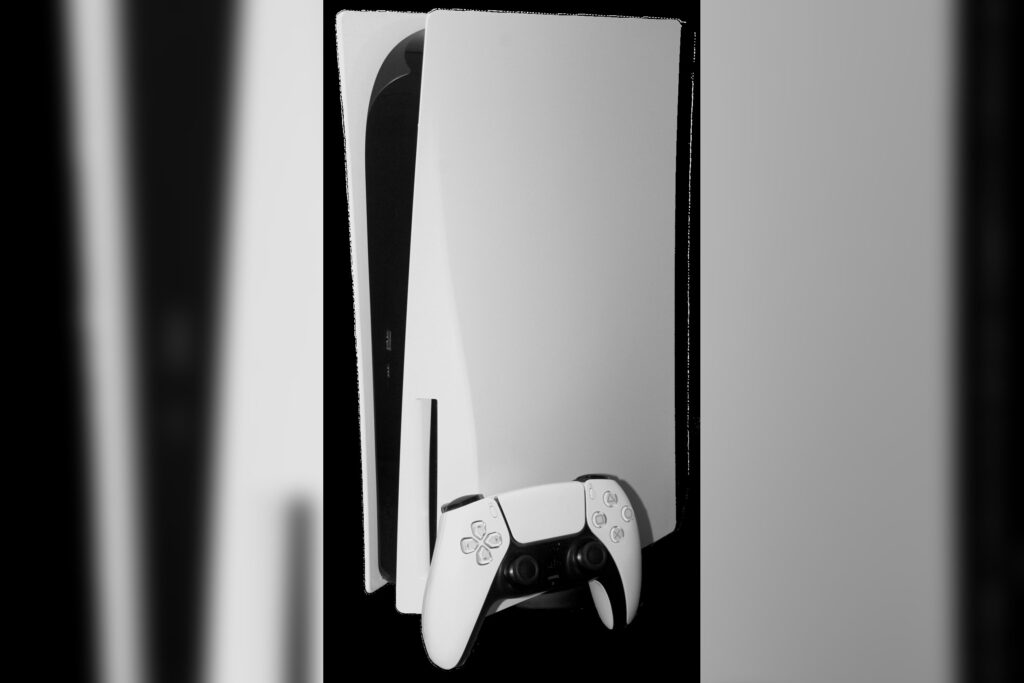
TOKYO — Sony’s PlayStation business, a fixture of the living room since the original console reached Japanese shelves in December 1994, is working through the most awkward stretch of its three-decade run. The PlayStation 5 has cleared more than 50 million units worldwide as of late 2023 on Sony’s own disclosures, but the momentum that carried it there has thinned, and the company’s answers to that problem are not obviously working yet. The commercial picture is a mixture of scale and squeeze.
Sony’s gaming division booked revenue of about ¥4.27 trillion (approximately US$28 billion) for the fiscal year ended March 2024 — a figure most publishers would frame and hang. Operating margins, though, have been compressed by development costs that for AAA titles can exceed US$200 million, and Sony has told investors to expect 18 million PS5 units in the fiscal year ending March 2025, down from 20.8 million the year before.
A leadership churn and a hard reset
Jim Ryan, PlayStation’s longtime chief executive, retired in September 2023 after nearly 30 years with the company. Hiroki Totoki stepped in as chairman of Sony Interactive Entertainment the following month while the search ran, and in May 2024 Sony settled on a dual structure: Hermen Hulst and Hideaki Nishino as co-CEOs from June 1, 2024, splitting studios and platforms between them. Then came the cuts.
In February 2024, Sony Interactive Entertainment announced roughly 900 layoffs — about 8 percent of its global workforce — and closed its London studio, which had been at work on a live-service title. Sony shares fell about 10 percent in the weeks that followed.
As ever, the detail that matters is what the London closure signalled: a retreat from the live-service bet, at least in its most expensive form. The evidence for that retreat is on the record. A planned The Last of Us multiplayer game was cancelled in December 2023, and Concord was shut down two weeks after its August 2024 release — a turnaround so brisk it barely qualified as a launch window.
The exclusivity problem, under the hood
Microsoft’s US$68.7 billion acquisition of Activision Blizzard closed in October 2023, and Nintendo’s Switch has sold over 140 million units since 2017. Game Pass, Microsoft’s subscription service, counted more than 34 million subscribers as of February 2024. The technical reality of console exclusivity — a walled garden that justifies the hardware purchase — has been eroding from both ends: subscription libraries on one side, PC and cloud streaming on the other.
Sony’s response has been to port its own crown jewels. God of War and Marvel’s Spider-Man now appear on PC, a strategy that widens the audience and quietly undermines the reason to buy a PlayStation at all.
The PS5 Pro, launched in November 2024 at US$699.99, has met a muted reception on early sales data. Infrastructure has not helped. A PlayStation Network outage in February 2024 ran for about 24 hours, a reminder that the storefront and the multiplayer layer are single points of failure.
Regulators are circling too: the US Federal Trade Commission and the UK’s Competition and Markets Authority have both examined Sony’s market practices, though neither has filed formal charges. What to watch next is whether the Hulst–Nishino split produces a coherent pipeline rather than two roadmaps in one building.
The console market’s growth has stagnated and its budgets have ballooned; Sony is betting on a mix of live-service, PC ports and cloud gaming to stay relevant. The next exclusive that actually ships will tell us more than any strategy deck.




