Resource guarding and inter‑dog aggression are surfacing in more multi‑dog households, prompting owners to ask which training methods actually work without harming the animals.
Genetics, Environment and the Competition for Resources
Canine aggression is not an anomaly; it is a normal behavior shaped by both genetic predisposition and the surrounding environment (S1). Studies show that a dog’s age, sex, health status and reproductive condition can tilt the balance toward possessive or dominance aggression (S1). When two or more dogs share a home, the competition for food, toys, resting spots or attention creates a strategic calculus that can trigger rivalry.
Dominance in pet dogs, contrary to popular myth, is not a fixed character trait. It is a fluid power agreement that determines who gains priority access to particular resources at any given moment (S1). This dynamic means that the same dog may be dominant over a toy but deferential when the bowl is involved, depending on context.
Environmental factors often outweigh breed stereotypes. Research from Bangor University highlights that owners’ behavior, training practices and the dog’s daily environment exert a stronger influence on aggression than any inherited breed tendency (S3). The study argues that moral panics surrounding large breeds such as the XL Bully distract from the underlying conditions that provoke aggression.
Because resource competition is a core driver, the first step in any intervention is to understand the specific items or spaces that each dog values most. Identifying these flashpoints allows guardians to redesign the household layout, feeding schedule and play routines to reduce the perceived need for a power struggle.
From Stiffness to Snapping: Recognising the Warning Spectrum
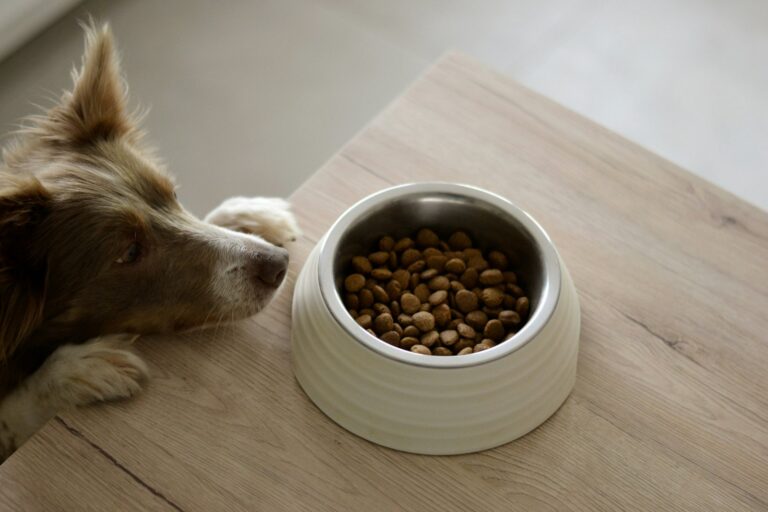
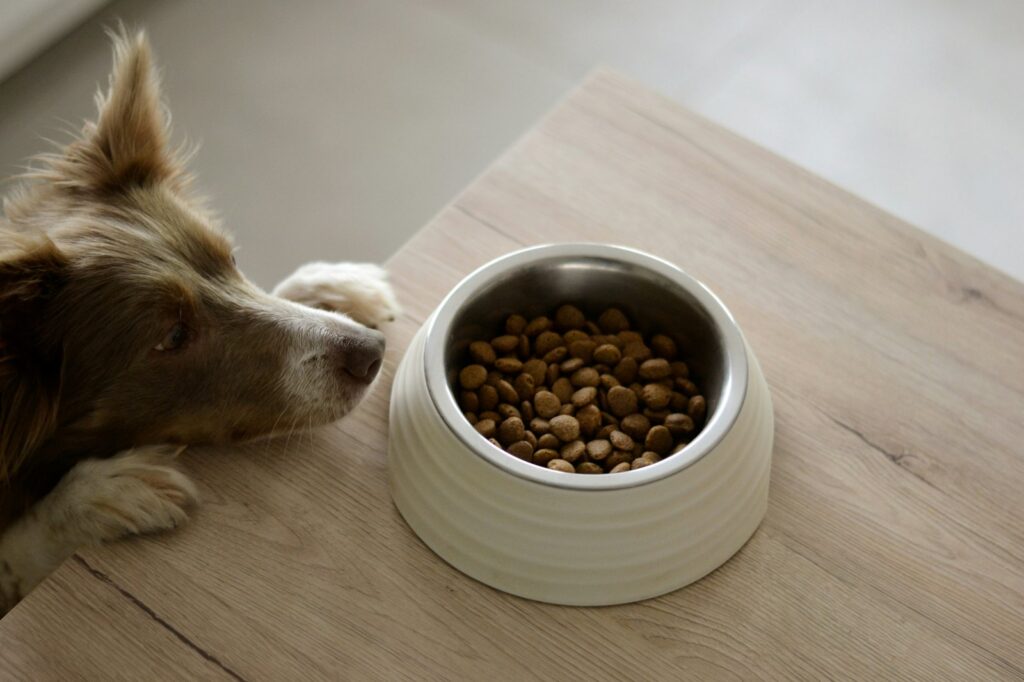
Early signals of resource guarding are often subtle. A dog may stiffen its body, narrow its eyes or eat faster when a person approaches its bowl (S2). These micro‑behaviors act as a pre‑emptive warning, signalling that the animal perceives a threat to a valued resource.
If the warning is ignored, the response can escalate to growling, snapping or, in extreme cases, biting (S2). Food aggression, for example, can manifest across a continuum from a slight stiffening over a bowl to full‑blown snapping (S2). Recognising the early stage is crucial because intervening before the behavior becomes overt reduces the risk of injury and the need for more intensive training.
Owners often make the mistake of punishing the growl or grabbing the bowl in an attempt to assert control. Research links punishment to a heightened likelihood of new or intensified aggression, turning a warning into a reinforced problem behavior (S1). The same principle applies to defensive aggression, where a dog may feign aggression to avoid a real confrontation; punitive responses can cement the fear‑based response (S1).
Because the warning signs are sometimes easy to miss, experts advise that any stiffening, vocalisation or rapid eating near a resource be treated as a red flag. Documenting the context—who was present, what was happening, and which resource was involved—helps trainers map the trigger pattern for later desensitisation work.
Science‑Based Protocols: LIMA and Targeted Desensitisation
Rose Dog Training, a New Jersey‑based firm, champions the LIMA framework—Least Intrusive, Minimally Aversive—as the cornerstone of modern aggression work (S2). Rather than suppressing the outward warning, LIMA aims to change the dog’s internal response to the resource, preserving the animal’s welfare while reducing the risk of escalation.
In practice, LIMA begins with a thorough assessment of the dog’s trigger threshold. Trainers then introduce the feared stimulus at a distance where the dog remains calm, pairing it with a high‑value reward such as a favourite treat. This gradual exposure, known as desensitisation, is paired with counter‑conditioning, teaching the dog that the presence of a person near its bowl predicts something positive rather than a loss.
Rose emphasizes that “a growl is your dog’s way of saying ‘please back off,’” and that silencing the growl without addressing the underlying fear or possessiveness does not alter the dog’s perception of threat (S2). By rewarding the dog for maintaining a relaxed posture while a hand hovers near the bowl, the trainer reshapes the association from danger to safety.
When the dog consistently tolerates the hand at a close range, the trainer incrementally reduces the distance, eventually allowing a gentle hand‑over‑bowl contact. Throughout the process, the emphasis remains on low‑stress techniques; any sign of escalation prompts a step back to the previous comfortable distance.
Should the guarding behavior spread to other resources—such as toys or sleeping areas—or present a bite risk, individualized in‑home sessions become necessary. Rose Dog Training’s approach includes observing the household routine, identifying secondary triggers, and tailoring the desensitisation plan to each dog’s unique calculus (S2).
Managing the Home Environment and Knowing When to Call Professionals
While training reshapes the dog’s internal response, immediate environmental management can prevent incidents while the work progresses. Feeding dogs in separate locations, removing bowls promptly after meals and keeping high‑value toys out of shared spaces are simple yet effective tactics (S2).
Owners should also avoid common pitfalls: never punish a growl, never yank a bowl away, and never place a hand near a dog’s food during a meal (S2). These actions can inadvertently reinforce the guarding response, making the dog more likely to repeat the behavior.
Sudden onset of food aggression warrants a veterinary assessment. Pain, illness or dental issues can trigger a rapid shift in a dog’s tolerance for resource intrusion (S2). A thorough health check rules out medical causes before behavioural interventions begin.
If the aggression persists despite environmental tweaks and LIMA‑based training, professional help becomes essential. In‑home behavioural consultants can evaluate the broader social dynamics of the household, including interactions between multiple dogs, children and other pets. Their observations inform a more comprehensive plan that may involve additional desensitisation targets or adjustments to the feeding schedule.
Veterinary behaviourists, equipped to prescribe medication when anxiety or fear is a significant factor, can work alongside trainers to address the physiological component of aggression. The combined expertise ensures that both the mind and body of the dog are supported throughout the modification process.
The Policy Calculus: Ownership, Socialisation and Legislative Direction
Beyond the household, the broader stakes of canine aggression involve public safety and responsible ownership. A study from Bangor University warns that breed‑specific bans, such as those targeting the XL Bully, fail to address the root causes of attacks (S3). The research argues that focusing on a dog’s appearance distracts from the strategic behaviours of guardians that actually drive aggression.
Criminology lecturer Lisa Sparkes contends that “effective dog legislation should focus on deed, not breed, holding irresponsible guardians accountable rather than punishing canines because of their appearance” (S3). She proposes mandatory licensing, stricter penalties for negligent owners and comprehensive education programs for children and adults on how to approach dogs safely.
Historical precedent supports this approach. In the past, guardians were required to hold a licence, a mechanism that placed clear responsibility on owners for their dogs’ welfare and behaviour (S3). Reinstating such a system could reinforce accountability and provide a framework for tracking compliance with training and vaccination requirements.
Socialisation during puppyhood remains a cornerstone of long‑term aggression prevention. Proper exposure to a variety of people, animals and environments helps puppies develop confidence and reduces the likelihood of fear‑based or resource‑guarding responses later in life (S1). Owners who invest in early socialisation lay the groundwork for a stable household dynamic, decreasing the strategic calculus that leads to inter‑dog rivalry.
In sum, the most effective pathway to curbing resource guarding and inter‑dog aggression blends scientific training methods with proactive home management and a policy environment that holds guardians accountable. By recognising the early warning signs, applying the LIMA framework, and ensuring that medical, behavioural and legislative tools work in concert, owners can protect both their pets and the broader community from unnecessary conflict.
Sources
- Dog aggression
- Food Aggression In Dogs: NJ Trainer Releases Resource Guarding Safety Guide
- Targeting XL Bully won’t solve dog aggression, new study warns
Photo: Ayla Verschueren / Unsplash (Unsplash License)