
NEW YORK, June 24 — A new consumer divide is hardening in American closets, and it has nothing to do with politics or trade policy. According to a detailed comparison of bra types circulating online, the split is between Team Wire and Team Wireless. The document defines Team Wire as those who wear bras with underwires most of the time.
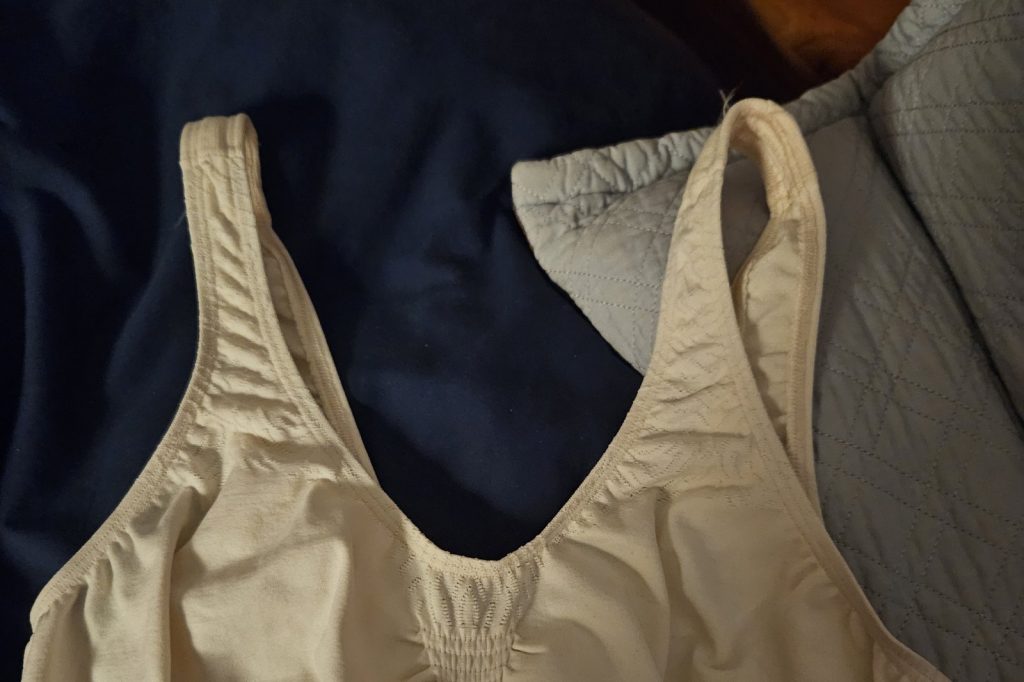
Team Wireless, by contrast, favors soft bralettes, camisoles with built-in cups, or any bra without an underwire. The filing breaks down the debate across several practical categories: comfort, support, appearance under clothing, and durability.
On comfort, the record shows a clear advantage for wireless bras. They lack the rigid metal or plastic frame that can dig into ribcage or breast tissue. Sources familiar with the issue describe underwires as a common source of irritation, particularly for women who sit at desks for long hours.
Support, however, is a different matter. The document states that underwire bras generally provide more lift and separation.
For fuller busts, the wire frame helps distribute weight across the band and shoulders. Wireless options, the record shows, often rely on compression or stretch fabric, which can flatten shape rather than enhance it. The timeline of the debate is not new, but the document suggests the choice has become more polarized in recent seasons.
Retail data indicates a surge in wireless bra sales since the pandemic, as remote work shifted daily wardrobe priorities toward comfort. Yet the filing notes that underwire bras remain the standard for formal wear, professional attire, and occasions requiring a smooth, structured silhouette under fitted clothing. Appearance under clothing is a key battleground.
Underwire bras, according to the document, tend to create cleaner lines under button-down shirts and knit tops. Wireless bras, particularly those with thick side seams or molded cups, can show through thin fabric.
On the other hand, the record shows that wireless bras are less likely to create the visible outline of a wire end pressing against the fabric. Durability favors the wired camp. The document reports that underwire bras typically last longer because the wire maintains its shape through repeated washing.
Wireless bras, especially those made of lightweight foam or mesh, can lose elasticity and flatten out over time. What to watch next: the document does not declare a winner.
The choice, the record suggests, depends on individual anatomy, daily activity, and the specific demands of a woman’s wardrobe. For now, both teams hold their ground.
{“@context”: “https://schema.org”, “@type”: “NewsArticle”, “headline”: “Team Wire or Team Wireless”, “description”: “NEW YORK, June 24 — A new consumer divide is hardening in American closets, and it has nothing to do with politics or trade policy….”, “datePublished”: “2026-06-24 11:01:08T09:30:00+00:00”, “author”: {“@type”: “Person”, “name”: “Ariel Antonio”}, “publisher”: {“@type”: “Organization”, “name”: “InfoPulse Today”, “url”: “https://newsfeed.infopulsetoday.com/”}}




