The Environmental Toll of Fast Tech Disposability
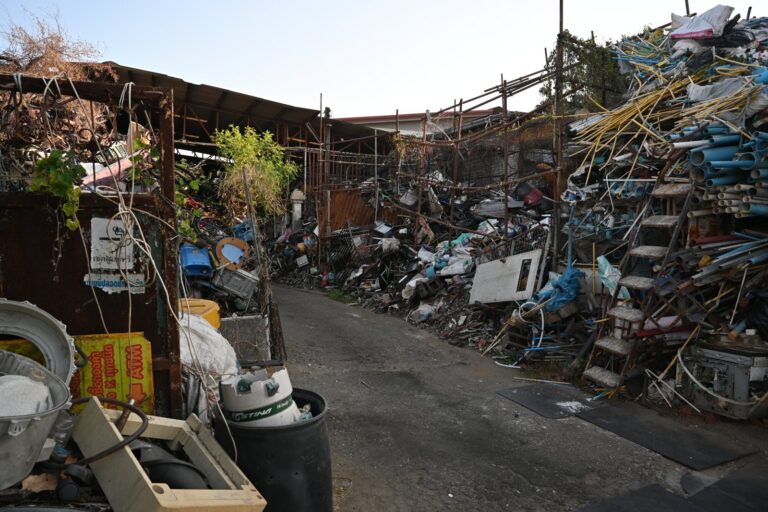
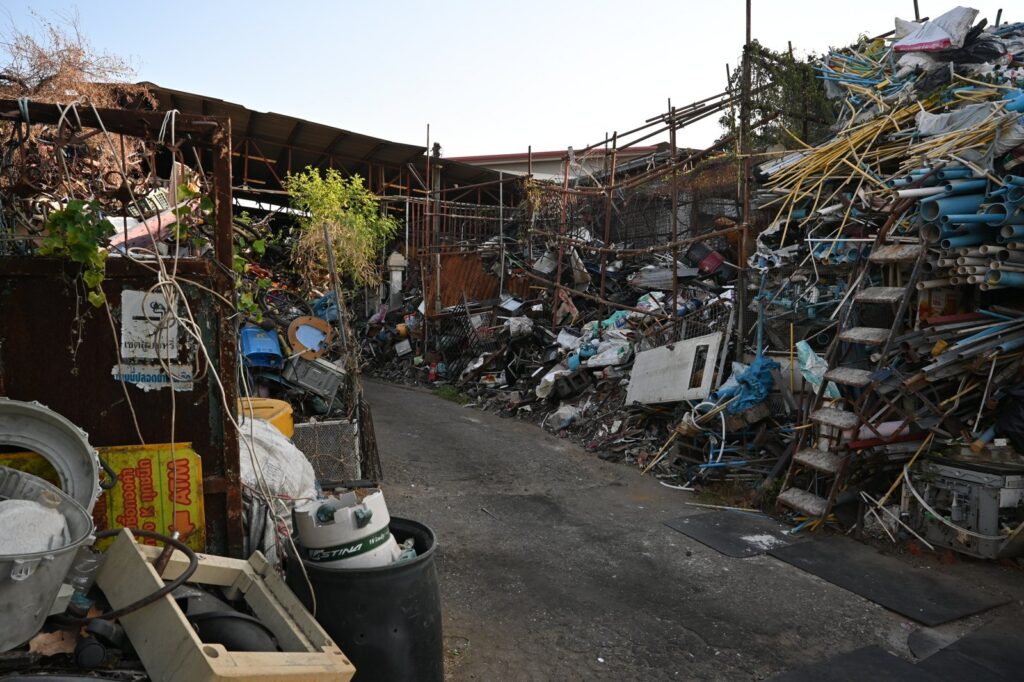
As consumer appetite for inexpensive gadgets surges, low-cost electronics are creating a rapidly growing electronic waste stream that threatens global clean-planet stewardship. According to the WEEE Forum, items like USB adapters, chargers, cables, mini fans, powerbanks, LED lights, and electronic toys have created what the organisation describes as a fast tech blind spot. The Waste Electrical and Electronic Equipment (WEEE) Forum drew attention to this issue around International E-Waste Day, pointing out that shoppers frequently discard these goods after short periods of use. Think of these disposable devices like single-use plastic wrappers for the digital age, piling up in household drawers and landfills before anyone notices the long-term environmental consequences.
The practical upshot of this trend is a massive wave of discarded materials that outpaces traditional municipal collection methods. A Fast Tech Consumer Study commissioned by the WEEE Forum and conducted by Bellegarde Scientific Consulting revealed the scale of the problem. Based on an online survey of 10,245 adults across 12 European countries in July 2026, the study found that 58 percent of fast tech buyers could recall an item they had used for six months or less before replacing it. Furthermore, 39 percent of buyers remembered discarding an item unused, after a single use, or within a month. Zero Waste Malaysia director Khor Sue Yee noted that the ease of online shopping shapes how consumers replace broken or faulty items, with buying a new product often just a few clicks away.
Inside the European Union Push for Rare Earth Recovery
To combat the environmental impact of disposable gadgets, the European Union has launched a major initiative called Circuit4EU to recover critical raw materials from old printed circuit boards and permanent magnets. Publicly launched on September 4, the 3.5-year project brings together 21 partners in nine countries to support an EU target to derive 25 percent of annual rare earth minerals from recycling by 2030. French engineering school Arts et Métiers ParisTech is leading the initiative. The project aims to achieve a technology readiness level 7 with at least some of its pilot technologies, which is equivalent to a live prototype in a factory environment, according to Nicolas Perry, the project’s coordinator at Circuit4EU.
The broader environmental consequence of non-repairable consumer electronics is a heavy reliance on foreign imports for green-transition technologies like solar panels and electric vehicles. Because recycling rates remain extremely low, the EU depends heavily on external sources for these essential materials. Circuit4EU is advancing 10 different technologies to address this vulnerability, including AI-driven quality inspection, robotic disassembly, digital product passports, desoldering, and hydrometallurgical recycling. These methods are currently being piloted across recycling efforts for laptops, Wi-Fi boxes, e-scooters, and dishwashers involving repair companies such as Arianee, EcoWise, GAD Elektronika, and Tech Takeback.
Robotics and Artificial Intelligence Meet the E-Waste Stream
Separating valuable minerals from discarded hardware requires advanced automation, which researchers are testing through targeted pilot programmes. A pilot programme at the University of Ljubljana in Slovenia is testing AI inspection to help make decisions about the value of components in products such as an old laptop, a wheel from an e-scooter, or a printed circuit board. Trained AI models will help determine whether it is worth investing time and money to extract functional components for reuse, or to send defective parts for recycling and refining. Another pilot led by Tech Takeback, working alongside Arts et Métiers spin-out AMValor and nonprofit tech research center Lortek in Spain, is testing robotic disassembly techniques using industrial arms to remove motherboards and RAM from laptops.
However, recovering materials from sealed consumer electronics presents technical hurdles that engineers are actively trying to solve. According to Sebastian Pattinson, an associate professor at the University of Cambridge and cofounder of the AI-for-manufacturing spin-out Matta, conventional visible-light imaging systems may not always see through a product’s external plastic casing. If inspectors cannot see inside a device, alternative sensor technologies such as X-ray inspection might be necessary, though Pattinson notes that this could impact the economics of recycling. By combining these innovative recovery methods with new digital product passports, the initiative seeks to challenge the disposable tech model and build a sustainable path forward for electronic waste management.
Policy and Industry Response to Fast Tech Waste
In response to the escalating fast tech crisis, policymakers and industry leaders are exploring structural solutions to curb the disposable electronics model. The European Union’s Ecodesign for Sustainable Products Regulation, which entered into force in 2024, mandates that manufacturers design electronics for longevity, repairability, and recyclability, aiming to extend product lifespans and reduce waste generation. According to the European Commission, these standards are expected to significantly lower the volume of discarded small devices by requiring spare parts availability and software support updates. Meanwhile, trade groups representing the electronics recycling industry have called for harmonized collection targets to ensure that the growing stream of fast tech does not overwhelm existing processing capacities. The WEEE Forum has also advocated for “right to repair” measures, arguing that increasing consumer access to repair information and tools is essential to combating the culture of planned obsolescence driving the fast tech trade.
On the consumer education front, advocacy groups are launching campaigns to shift public perception of low-cost electronics from disposable commodities to valuable resources. Zero Waste Malaysia’s Khor Sue Yee emphasized that greater awareness of the critical minerals embedded in everyday gadgets could encourage more responsible disposal habits. “When people understand that their cheap charger or LED light contains recoverable materials, they are more likely to seek out proper collection points rather than tossing them in the regular trash,” she noted. These combined policy interventions and public awareness efforts represent a multi-pronged attempt to align the convenience of fast tech with the environmental imperatives of a circular economy, seeking to transform the current linear take-make-waste pattern into a system where small electronics are valued for their material potential rather than their short-term utility.
Sources
- High cost of cheap tech: How disposable electronics are fuelling e-waste crisis
- Orange County Utilities Hosts Community Collection of Household Hazardous Waste and Electronic Waste at East River High School
- Inside Circuit4EU’s Bold Plan to Mine Rare Earths From Trash
Photo: PattayaPatrol (CC BY-SA 4.0)