
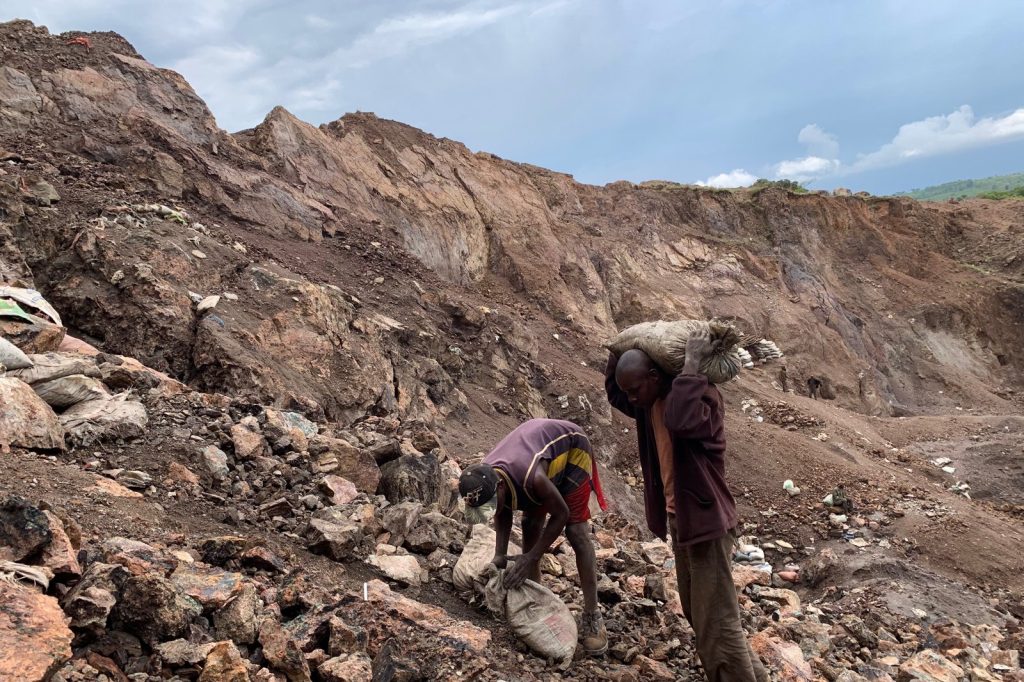
USA’s technology giants Apple, Dell, Google, Microsoft, and Tesla were recently sued over the death of children involved in cobalt mining in the Democratic Republic of the Congo (DRC). The lawsuit was filed by the International Rights Advocates (IRA) on behalf of 14 anonymous victims who are said to be family members of the children injured or killed while mining, particularly in tunnels. Cobalt, a rare metal essential for making rechargeable lithium batteries used in mobile phones and electric vehicles, is mostly found in DRC.
Its demand increased due to the boom of inexpensive handheld technological gadgets. Residing in a country dubbed as one of the poorest in the world, the children in DRC were forced to work as miners to earn a living at their young age with only $2-3 a daily wage.
In their separate statements, Apple, Dell, and Google said that they strictly implement laws pertaining to sourcing of materials to ensure that all these are acquired ethically, thus, prohibits the exploitation of children through any form of work. Microsoft and Tesla have not yet responded to the requests for comment. IRA is serious in seeking damages and requesting the five technology firms to start a fund to provide medical care to the victims.
Meanwhile, various significant strides are taken by mining and trading industries to adopt new ethical standards and ensure “responsible” cobalt mining. The Democratic Republic of the Congo has long been a significant source of various minerals, including cobalt, due to its rich geological deposits.
The country’s mining industry has long been plagued by issues related to worker safety, child labor, and environmental degradation. The demand for cobalt has increased significantly in recent years, driven by the growing need for rechargeable batteries in portable electronics and electric vehicles. As a result, the mining of cobalt has become a crucial sector in the DRC’s economy, with many artisanal mines operating in the country.
The use of child labor in mining is a complex issue, often driven by poverty and lack of access to education and economic opportunities. Children in the DRC, as in many other developing countries, are often forced to work in hazardous conditions to support their families. The issue is further complicated by the fact that many mines in the DRC are artisanal, meaning they are small-scale and often unregulated.
This can make it difficult for authorities to monitor and enforce laws related to child labor and worker safety. The technology industry has faced increasing scrutiny in recent years over the sourcing of materials, particularly those related to human rights and environmental concerns.
Companies have come under pressure to ensure that their supply chains are transparent and that they are taking steps to prevent human rights abuses. In response, many companies have implemented policies and procedures aimed at ensuring that their materials are sourced responsibly. However, the issue remains a challenge, particularly in countries with weak regulatory frameworks and limited oversight.
The lawsuit filed by the International Rights Advocates highlights the need for greater accountability and transparency in the technology industry’s supply chains. It also underscores the importance of ensuring that the benefits of economic growth and development are shared equitably, and that the rights of workers and communities are protected.
As the demand for cobalt and other minerals continues to grow, it is likely that the issue of responsible sourcing will remain a key concern for companies, governments, and civil society organizations alike.




