
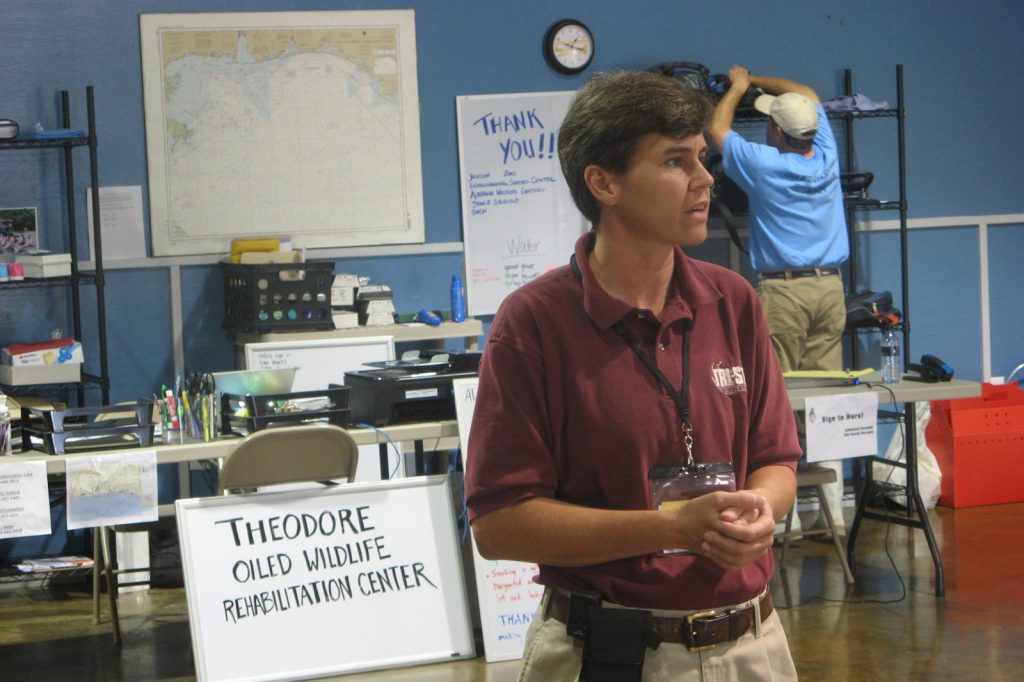
Finding an injured bird triggers a rescue reflex. The instinct is to grab the animal, rush it inside, and offer water or food. Wildlife experts say that reflex is exactly what kills birds.
A new guide from those experts breaks down the rescue impulse into a checklist. The first item is counterintuitive: do nothing for a moment.
The guide tells people to stop and assess before they act. That pause separates a real rescue from a well-meaning mistake. The key detail buried in the guide is the warning about food and water.
People see a bird on the ground and assume it is thirsty or hungry. The guide is blunt: do not give it food or water.
That natural kindness can kill. A bird in shock or carrying internal injuries cannot process food or water. Giving either can push it into deeper distress or death.
This is the single most important fact in the entire guide. It contradicts what most people believe. The guide says the instinct to help can actually do harm.
It is a hard rule, and it applies to every rescue attempt. The guide covers the safe capture method.
Use a light cloth or towel. Pick the bird up gently. Do not squeeze its chest.
Do not restrict its breathing. Once contained, the bird needs warmth, quiet, and darkness.
That is temporary care. The goal is to keep the animal alive until a professional takes over. Finding that professional is the next hurdle.
The guide acknowledges a real problem: rural and suburban areas often have no wildlife rehabilitator nearby. The guide includes a frequently asked question for people stuck in that gap. It does not pretend the system is seamless.
Another common confusion the guide addresses is the difference between a baby bird that is orphaned and one that is just a fledgling learning to fly. The difference between a rescue and a mistake often comes down to patience.
People snatch fledglings off the ground, thinking they are abandoned, when the parents are nearby watching. The guide also warns against common errors. Do not try to nurse the bird back to health yourself.
Do not keep it as a pet. Both are illegal in many places and dangerous for the bird.
The guide covers a scenario many people do not consider: what to do if you accidentally injure a bird. That happens more often than people think. The long-term advice points toward prevention.
Simple measures can keep birds from getting hurt in the first place. The guide does not name those measures in the available material, but the direction is clear. The core message of the guide is restraint.
The best help is often the least help. That is a hard sell for people who want to act.
But the guide is built on what actually works, not what feels good in the moment. A drooping wing, an inability to stand, or obvious bleeding are clear signs that intervention is needed. A stunned bird may only need a quiet, dark space to recover on its own.
Knowing the difference is the whole point of the guide. And knowing when to hold back is the hardest lesson it teaches.
{“@context”: “https://schema.org”, “@type”: “NewsArticle”, “headline”: “Wildlife Experts Warn Against Feeding or Watering Injured Birds”, “description”: “Finding an injured bird triggers a rescue reflex. The instinct is to grab the animal, rush it inside, and offer water or food. Wildlife experts…”, “datePublished”: “2026-07-02T10:58:00+00:00T09:30:00+00:00”, “author”: {“@type”: “Person”, “name”: “Merry Gel Sigui”}, “publisher”: {“@type”: “Organization”, “name”: “InfoPulse Today”, “url”: “https://newsfeed.infopulsetoday.com/”}}




