Advanced Orthopedic Surgery Repairs Severe Jaw Trauma in Rescued Companion Animal
Veterinary orthopedic specialists are increasingly called upon to treat complex facial fractures in companion animals, employing techniques that mirror human maxillofacial reconstruction. A recent case highlights how board-certified surgeons can restore both function and quality of life to animals recovering from severe jaw trauma.
The standard approach begins with fracture fixation, a process in which broken bone segments are realigned and stabilized using plates, screws, or wires. When bone loss is extensive, surgeons turn to bone grafting, transplanting healthy bone—often from the animal’s own body—to rebuild the structural framework. Soft tissue reconstruction may follow, addressing lacerations or damage to the gums and mucosal lining. These procedures are performed under general anesthesia, utilizing local anesthetics such as lidocaine, mepivacaine, and bupivacaine for wound closure and pain management, alongside sedatives including acepromazine, hydromorphone, midazolam, diazepam, xylazine, and medetomidine to maintain stable vital signs throughout surgery.
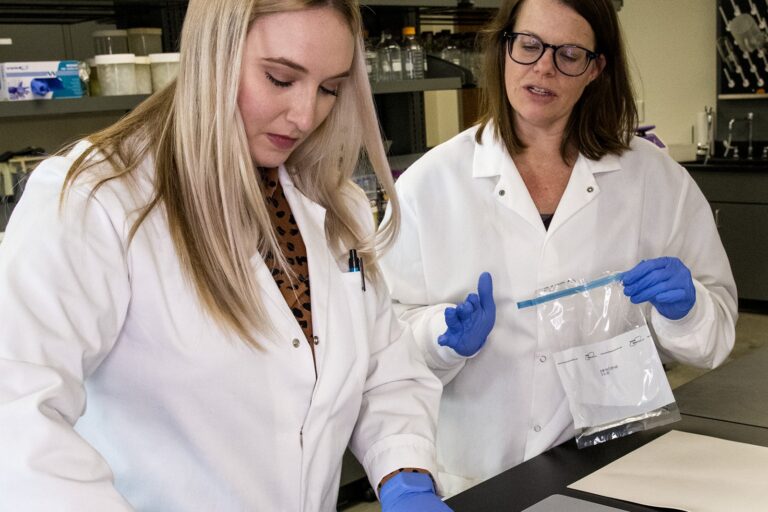
Such advanced care is delivered by veterinary surgeons who have completed extensive post-graduate training. According to established specialization pathways, those wishing to become board certified must undergo a one-year clinical internship program followed by three years of intensive training in a residency program under the direct supervision of board-certified veterinary surgeons. Residents are required to pass a rigorous certification examination before being admitted as diplomates of the American College of Veterinary Surgeons or the European College of Veterinary Surgeons. The American College of Veterinary Surgeons, which counts 22 recognized specialties including veterinary surgery, recently installed Denis Marcellin-Little as its president at the 2026 ACVS Surgery Summit. Marcellin-Little, who earned his veterinary degree in France before specializing in the United States, noted he may be the first ACVS president to have trained in a European country whose official language was not English.
Access to these specialized services has expanded alongside institutional investment. The Schwarzman Animal Medical Center completed a $127 million capital campaign and an 83,000-square-foot expansion and renovation of its hospital, broadening capacity for complex procedures. Academic programs continue to feed the pipeline of qualified surgeons; veterinary residents such as Brooke Lee at the University of Missouri are pursuing small animal surgery specialty internships and residencies. Lee described the hospital culture as a positive environment, noting that the quality of clinicians and well-established programs provided her confidence as she advances toward a career in academia. The program introduces residents to different aspects of surgery, including abdominal surgery, fracture fixation, and arthroscopic surgery, ensuring a broad foundation before specialization.
Outcomes for animals with severe jaw trauma have improved significantly. Modern veterinary orthopedics and reconstructive options now allow for repair of complex fractures that would previously have resulted in permanent disability or euthanasia. For rescued companion animals, this means a return to normal feeding, breathing, and vocalization, rather than long-term confinement. As the field continues to refine minimally invasive techniques and rehabilitation protocols, the broader stakes are clear: advanced surgical intervention offers rescued animals a second chance at a functional, healthy life.
Broadening the Scope of Veterinary Surgical Practice
While facial trauma is a critical component of veterinary orthopedics, the scope of surgical intervention is significantly broader. Veterinary surgery is categorized into three primary areas: orthopedics, which focuses on bones, joints, and muscles; soft tissue surgery, covering the skin, body cavities, and major organ systems; and neurosurgery. Within these fields, surgeons perform a variety of advanced procedures, including total hip, knee, and elbow replacements, oncologic surgery for cancer treatment, and the repair of herniated discs. Minimally invasive techniques, such as arthroscopy, laparoscopy, and thoracoscopy, are also integral to modern practice.
The objectives of these surgical interventions often depend on the patient’s role. In companion animals, the goal of surgery mirrors human medicine, prioritizing the health and well-being of the individual patient. Conversely, in farm animals, surgical decisions may be influenced by economic factors. Regardless of the patient, the clinical approach to anesthesia remains highly sophisticated. For example, α2 agonists like xylazine and medetomidine are frequently utilized for sedation because their effects can be reversed using yohimbine and atipamezole, respectively. While xylazine is approved for use in dogs, cats, horses, deer, and elk in the United States, medetomidine has more specific regulatory approvals. These pharmacological tools allow surgeons to manage complex cases safely, ensuring that advanced orthopedic and soft tissue procedures can be performed effectively across diverse species.
Veterinary Anesthesia and Analgesia Protocols
Anesthesia in veterinary orthopedic procedures follows established protocols designed to maintain hemodynamic stability while facilitating surgical conditions. Local anesthetics such as lidocaine, mepivacaine, and bupivacaine are routinely administered for wound infiltration and nerve blocks during fracture fixation and soft tissue closure. Sedation is typically achieved using a combination of acepromazine, hydromorphone, midazolam, diazepam, xylazine, and medetomidine, with the latter two agents selected for their reversible properties; xylazine can be antagonized with yohimbine, and medetomidine with atipamezole. Xylazine holds approval for use in dogs, cats, horses, deer, and elk within the United States, whereas medetomidine has more limited regulatory clearance. These pharmacological agents allow surgeons to manage pain and maintain unconsciousness throughout complex reconstructive operations, ensuring patient safety during extended procedures involving bone grafting and mucosal repair.
Post-operative pain management is equally critical to recovery following jaw trauma repair. Analgesic regimens often incorporate opioid medications such as hydromorphone alongside non-steroidal anti-inflammatory drugs, tailored to the individual patient’s species and surgical extent. According to standard veterinary anesthesia guidelines, continuous monitoring of vital signs—including heart rate, respiratory rate, and blood pressure—is required throughout the peri-operative period. The integration of these anesthetic and analgesic strategies supports early mobilization and feeding, directly contributing to the improved functional outcomes observed in rescued companion animals recovering from severe maxillofacial injuries.
Sources
- Veterinary surgery
- Paws and profits: American College of Veterinary Surgeons names new president, Schwarzman AMC announces new board chair, and more updates | dvm360
- Veterinary medicine resident carries positive culture forward
Photo: Ktkvtsh (CC BY 4.0)